
Remember when our parents used to say, “Just save a little every month, and you’ll be fine”?
For many people today, especially Gen Z and younger millennials, that advice feels about as realistic as buying a bungalow with pocket change.
The truth is, saving money has never been easy, but it feels significantly harder in 2026 than it did a generation ago. And it’s not simply because young people love bubble tea, concert tickets, or the latest iPhone. The game itself has changed.
The RM20 That Disappears Before Lunch

A decade ago, RM20 could comfortably cover lunch, a drink, and maybe even a snack.
Today? RM20 can vanish before you even finish scrolling through TikTok.
A typical workday might look like this:
- RM8 for coffee
- RM15 for lunch
- RM6 for parking
- RM6 for a convenience-store drink
Suddenly, RM35 is gone, and that’s before dinner. Many Malaysians aren’t making reckless financial decisions. They’re simply paying more for everyday necessities.
The Subscription Trap Nobody Notices
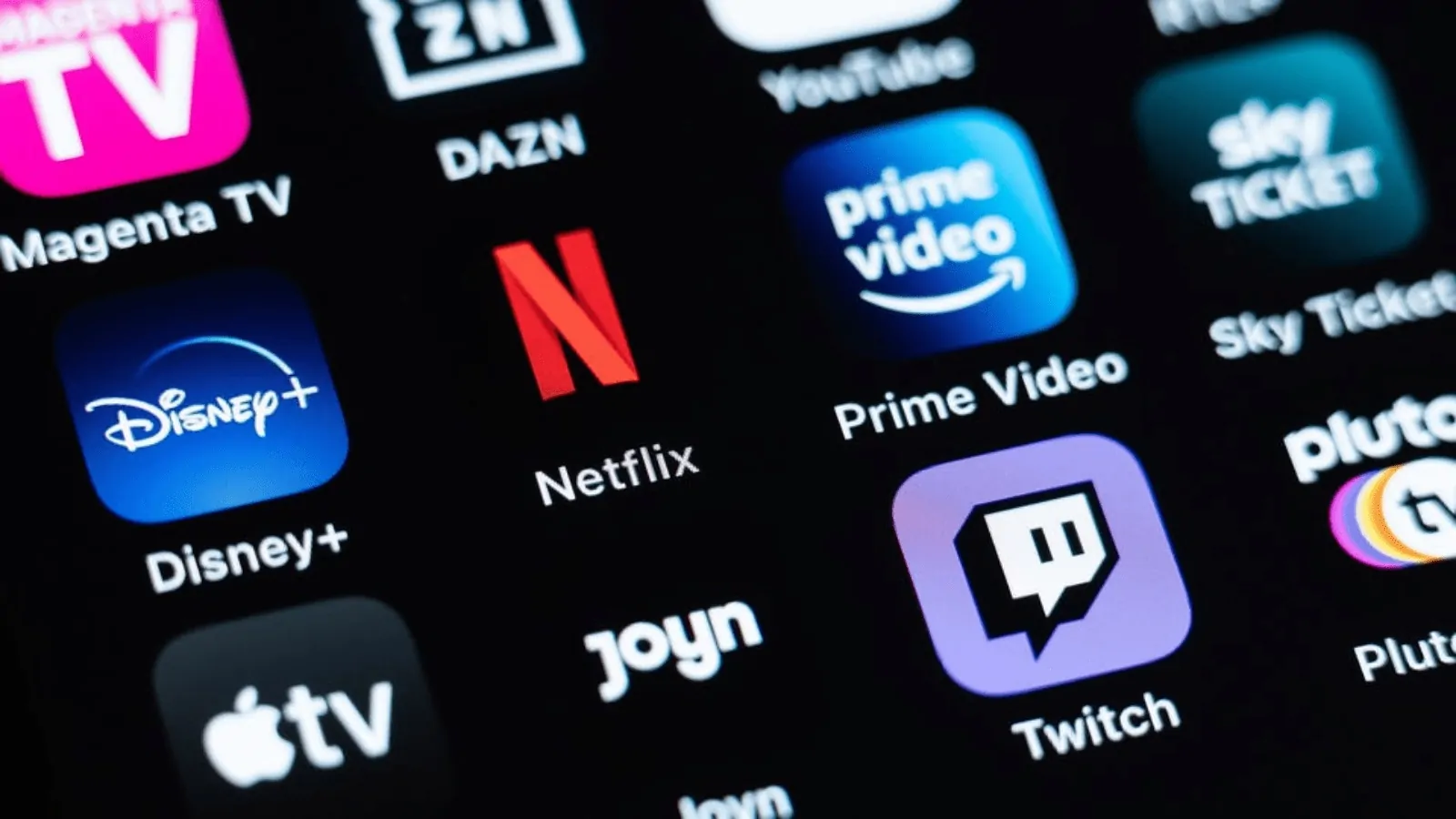
One of the biggest differences between previous generations and today’s consumers is invisible spending. Most people no longer buy things once. They subscribe.
Netflix. Spotify. Cloud storage. AI tools. Gaming memberships. Fitness apps. Food delivery memberships.
RM15 here.
RM20 there.
RM45 somewhere else.
Individually, they seem harmless. Collectively, they can quietly consume hundreds of ringgit every month. It’s the financial equivalent of death by a thousand auto-renewals.
Gen Z: Spending More or Spending Differently?

Gen Z often gets criticised for spending too much. But the reality is more nuanced.
Many members of Gen Z prioritise experiences over possessions. Instead of saving for expensive furniture or formal dining sets, they spend on travel, concerts, hobbies, gaming, wellness, and social experiences.
To older generations, that may look irresponsible. To Gen Z, it’s about enjoying life while they can.
After all, many grew up during global crises, economic uncertainty, and a pandemic. The traditional promise of “work hard today and enjoy life later” doesn’t feel as guaranteed anymore.
This mindset has even created a popular phrase online:
“Treat yourself.”
Unfortunately, when “treat yourself” becomes a daily habit rather than an occasional reward, savings accounts start looking very lonely.
The Rise of Lifestyle Inflation
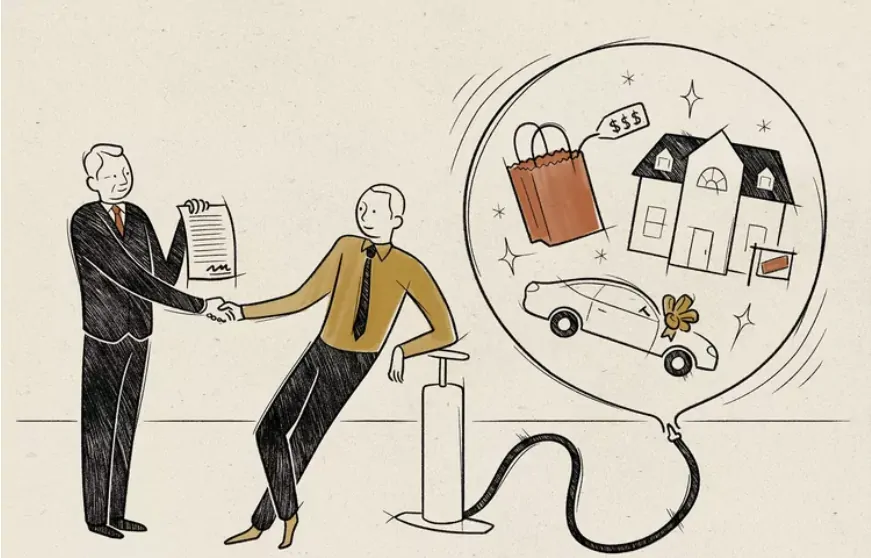
Here’s a real-world scenario. Someone receives a salary increase from RM4,000 to RM5,000. Great news, right?
Except suddenly:
- The economy rice becomes café lunches.
- Grab rides replace public transport.
- Budget hotels become boutique stays.
- A RM50 dinner becomes an RM150 dinner.
The salary grew. The expenses grew faster. Financial experts call this lifestyle inflation.
Most people call it “I have no idea where my money went.”
Social Media Made Comparison Worse

Previous generations compared themselves with neighbours. Today’s generation compares itself with the entire internet.
Open Instagram, and you’ll find someone vacationing in Europe. Open TikTok and someone is buying luxury handbags, and suddenly everyone seems to be living in a minimalist condominium with floor-to-ceiling windows and unlimited matcha.
The problem isn’t seeing these things. The problem is feeling like you’re falling behind if you don’t have them.
Many purchases today are driven less by necessity and more by comparison. Comparison has become available 24 hours a day.
The Coffee Isn’t the Problem

Many financial discussions love blaming young people for small luxuries.
The daily latte.
The occasional brunch.
The latest gadget.
But eliminating every small pleasure rarely transforms someone’s finances overnight.
The bigger issues are often stagnant wage growth, rising living costs, increasing housing prices, and a digital economy designed to encourage spending.
Modern consumers are surrounded by advertisements, influencers, limited-time deals, flash sales, and one-click purchases. Previous generations had to physically visit a store. Today, temptation arrives as a push notification.
So, Is Saving Still Possible?

Yes, but it requires a different approach than it did before. Saving today isn’t about becoming a financial monk who never enjoys life. It’s about becoming intentional. The people successfully building savings aren’t necessarily earning the most. They’re often the ones who understand where their money goes, automate their savings, and distinguish between happiness and impulse. Because at the end of the day, saving money isn’t becoming harder because people are weaker.
It’s becoming harder because spending money has never been easier. And in a world where everything is competing for your wallet, every ringgit you manage to save is quietly winning a battle most people don’t even realise they’re fighting.