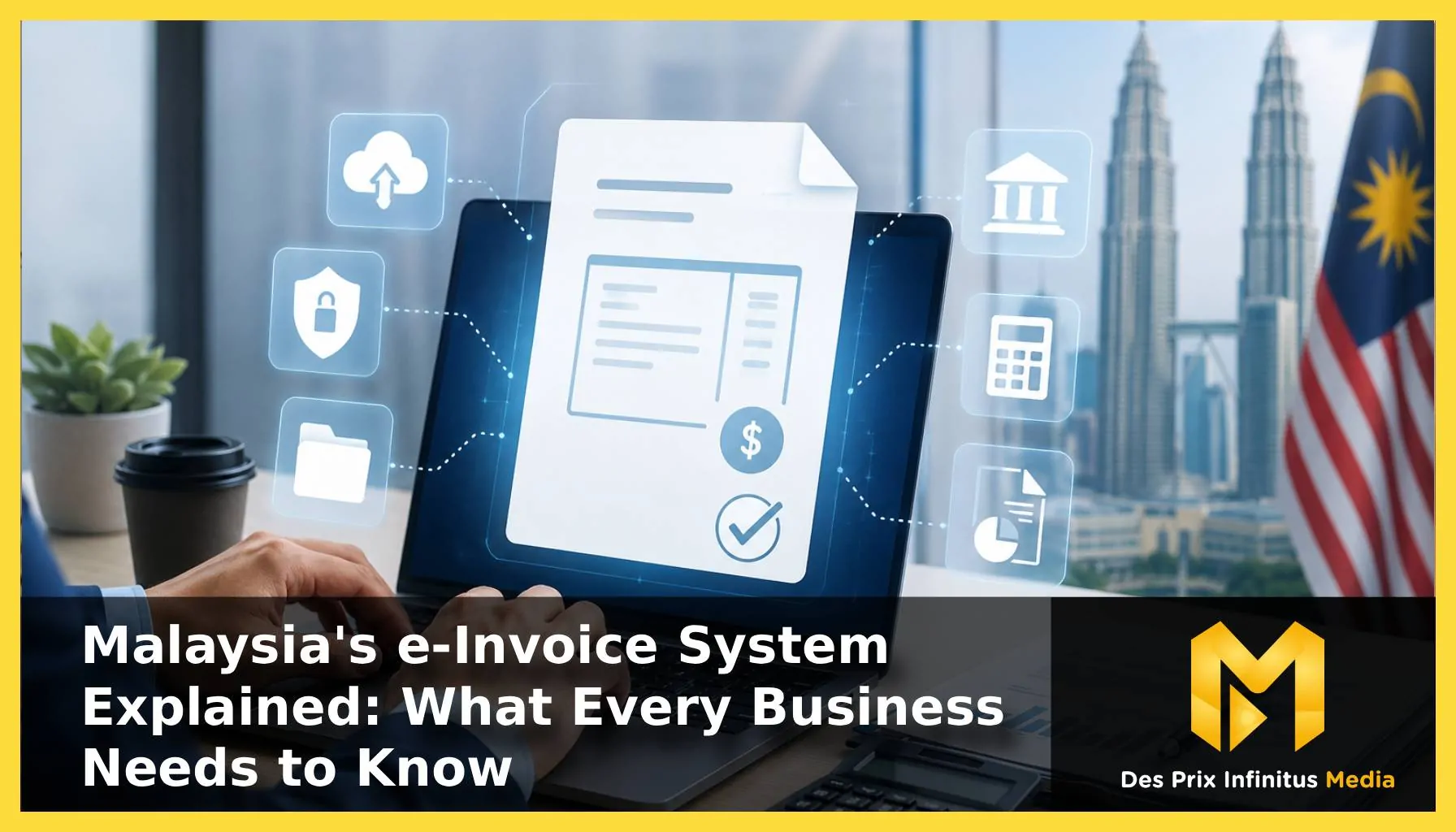
Malaysia is rapidly advancing towards a more digital economy, and one of the most significant changes for businesses in recent years is the implementation of e-Invoicing. Introduced by the Inland Revenue Board of Malaysia (IRBM/LHDN), the e-Invoice initiative aims to modernise tax administration, improve transparency, reduce tax leakages, and streamline business operations.
While many businesses are familiar with issuing traditional invoices in PDF, paper, or accounting software formats, e-Invoicing takes the process a step further by requiring invoices to be validated by LHDN before they are officially recognised.
For business owners, accountants, and entrepreneurs, understanding how e-Invoicing works is no longer optional; it is becoming essential to doing business in Malaysia.
What is an e-Invoice?
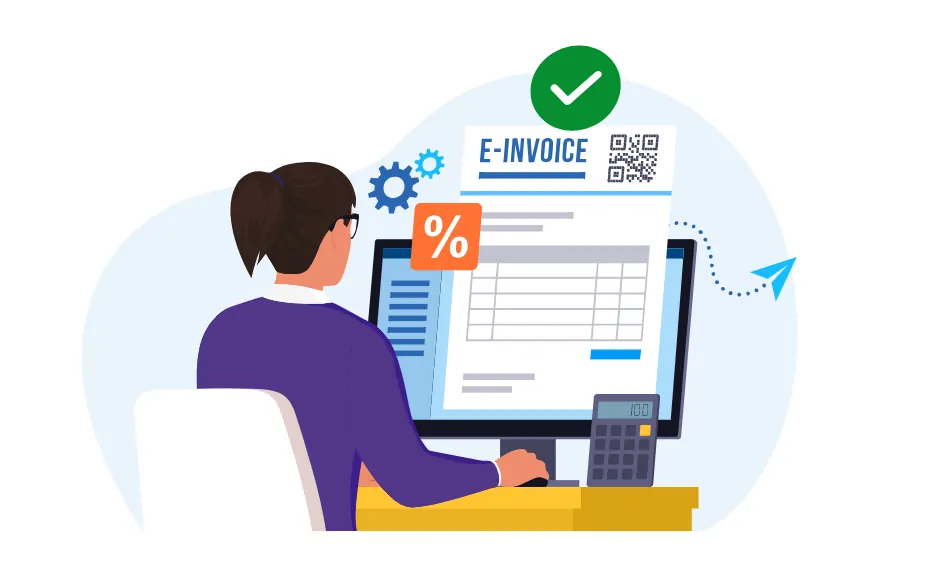
An e-Invoice is a digital representation of a transaction between a supplier and a buyer. Unlike conventional invoices, an e-Invoice must be submitted to LHDN’s MyInvois system for validation before it is issued to the customer.
Once validated, the system generates a Unique Identifier Number (UIN) and QR code, confirming that LHDN has successfully recognised the invoice. This creates a secure and verifiable record of the transaction.
The system applies to various transaction documents, including:
- Invoices
- Credit Notes
- Debit Notes
- Refund Notes
- Self-Billed Invoices
Why is Malaysia implementing e-Invoicing?
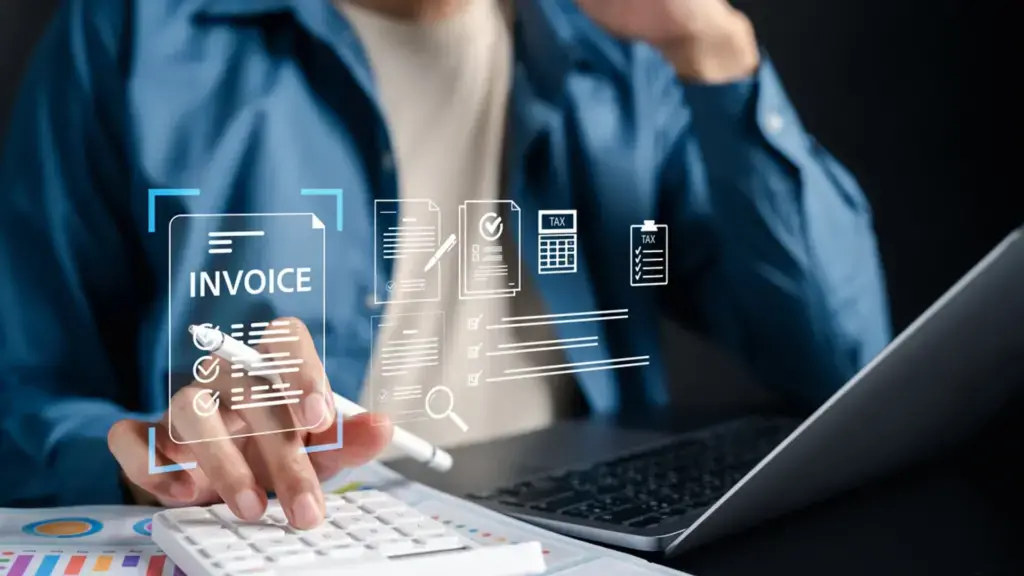
The introduction of e-Invoicing is part of Malaysia’s broader digital transformation agenda. The key objectives include:
- Improving Tax Compliance
By validating transactions in near real-time, LHDN can improve the accuracy of tax reporting and reduce underreporting of income.
- Enhancing Business Efficiency
Digital invoicing reduces manual paperwork, minimises errors, and enables faster processing of financial records.
- Strengthening Transparency
Every validated invoice leaves a digital audit trail, making it easier for businesses and tax authorities to verify transactions.
- Supporting Digitalisation
The initiative encourages businesses to adopt modern accounting and enterprise systems, improving overall operational efficiency.
How Does the e-Invoice Process Work?
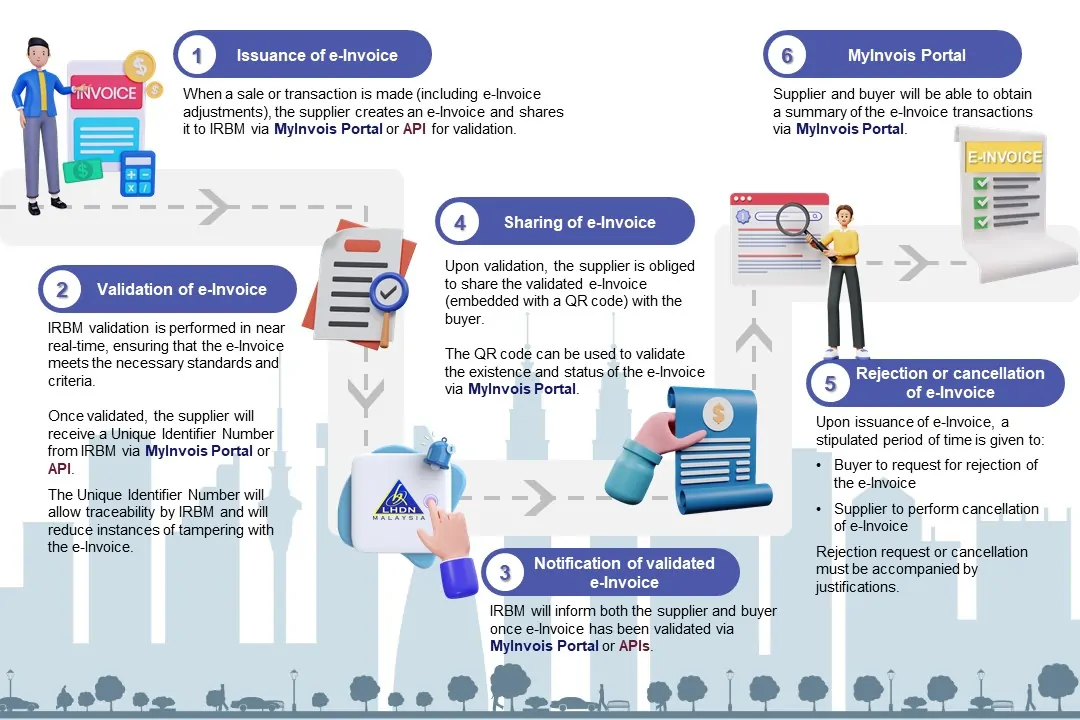
The typical workflow is relatively straightforward:
- Seller creates an invoice.
- Invoice data is submitted to LHDN through the MyInvois Portal or API integration.
- LHDN validates the invoice.
- A Unique Identifier Number and QR code are generated.
- The validated e-Invoice is shared with the buyer.
- Both parties retain the digital record for tax and audit purposes.
Businesses can submit invoices through:
- MyInvois Portal – a free portal provided by LHDN.
- API Integration – suitable for businesses with high transaction volumes and ERP or accounting systems.
Who Needs to Comply?
Malaysia is implementing e-Invoicing in phases based on annual turnover or revenue.
The latest implementation schedule includes:
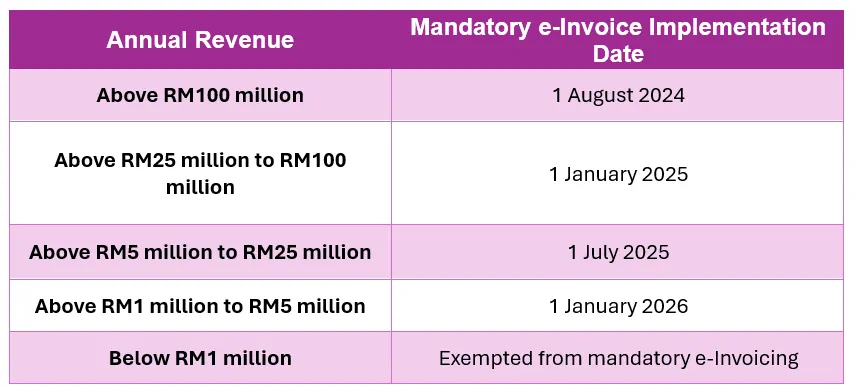
Businesses are generally provided with a relaxation period to facilitate the transition.
How Businesses Can Prepare
To ensure a smooth transition, businesses should:
- Review current invoicing processes.
- Assess accounting software compatibility.
- Register and familiarise themselves with the MyInvois Portal.
- Train finance and administrative teams.
- Ensure customer and supplier data is accurate and complete.
- Consider API integration if handling high transaction volumes.
Looking Ahead
Malaysia’s e-Invoicing initiative represents a major milestone in the country’s digitalisation journey. While the transition may require investment in technology and process improvements, the long-term benefits include greater efficiency, transparency, and compliance.
For businesses that have yet to begin their preparations, the best time to start is now. As e-Invoicing becomes the new standard, early adoption can help organisations avoid disruption while positioning themselves for a more digital and competitive future.