

Successful leaders stand out because they excel at the art of the comeback. This skill enables them to bounce back from failure and lead with a renewed sense of purpose. This skill, especially vital in Malaysia’s competitive business world, allows leaders to face challenges head-on and emerge stronger, leading with a renewed sense of purpose and resilience.
Rebuilding after failure is more than just bouncing back. It’s about using the experience to fuel growth and transformation. Effective leaders see the art of the comeback as a key to long-term success. They make rebuilding after failure a central part of their leadership strategy. As we explore this concept, we’ll uncover the essential principles and strategies for leaders to rebuild and thrive. We’ll also highlight the critical role of leadership recovery strategies in driving success.
Understanding the Psychology of Leadership Failure
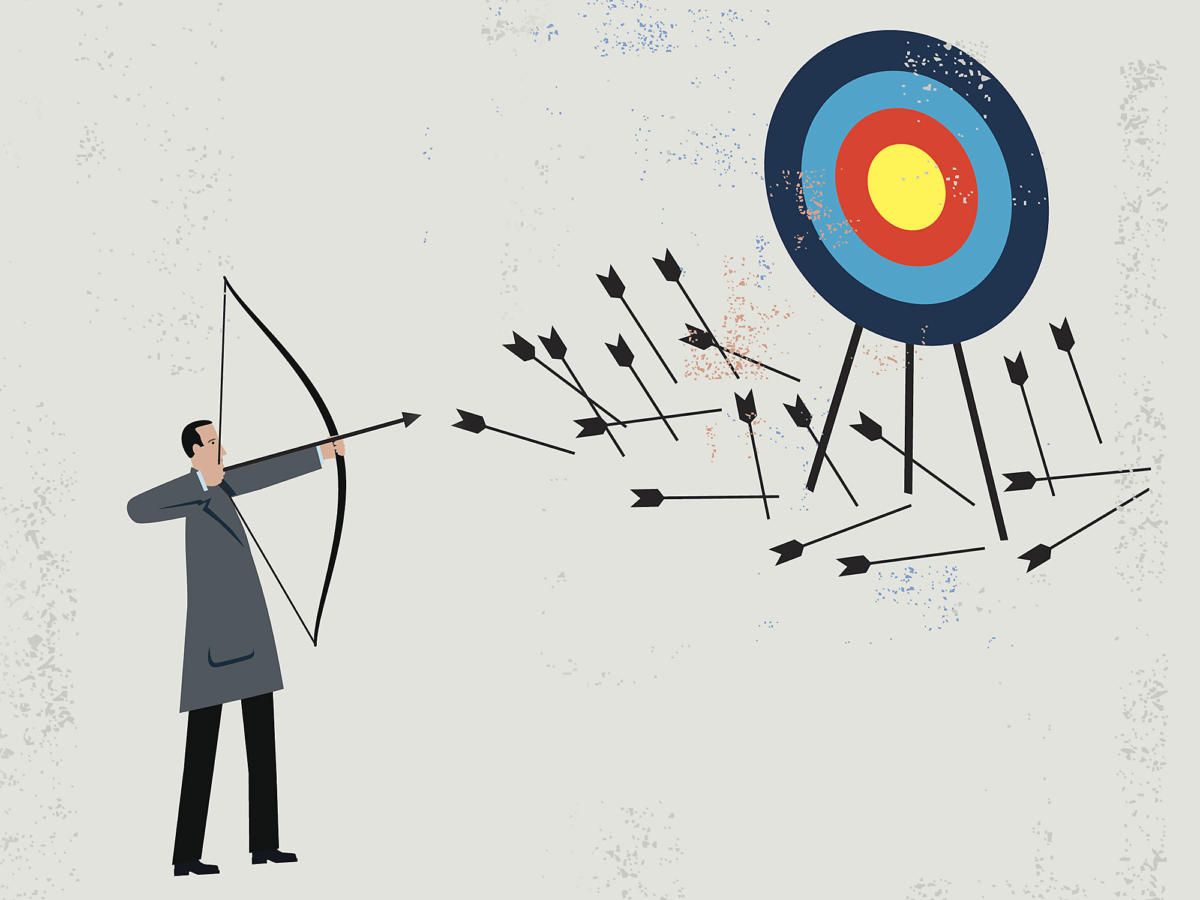
Leadership failure can deeply affect an individual’s self-perception and confidence. When a leader fails, it can trigger a crisis of identity, making recovery hard. To overcome setbacks, understanding the psychological barriers to recovery is key. Resilience in leadership is essential, as it allows leaders to build emotional strength during tough times.
Emotional intelligence is vital in rebuilding a leader’s confidence and self-perception. By facing and overcoming common psychological barriers like fear and self-doubt, leaders can develop resilience. Leadership comeback stories often show the importance of emotional intelligence in achieving success after failure. For example, leaders who have failed can use their past experiences to develop new strategies, proving the value of resilience.
The Impact of Failure on Leadership Identity
Failure can greatly impact a leader’s sense of purpose and identity. Leaders need to see failure as a chance for growth and learning, not as a defining trait. By adopting this mindset, leaders can start to rebuild their confidence and develop the resilience needed for success.
Common Psychological Barriers to Recovery
Fear, anxiety, and self-doubt are common psychological barriers that can block a leader’s recovery from failure. Leaders must acknowledge and tackle these barriers to develop the emotional intelligence needed to overcome setbacks. By doing so, they lay the groundwork for resilience in leadership, enabling them to handle challenging situations and come out stronger.
Mastering the Art of the Comeback: Essential Principles

To succeed after setbacks, leaders must adopt a growth mindset. They should learn from their errors and see them as chances for growth. This approach involves using business turnaround strategies to bounce back from adversity. It means reassessing plans, rebuilding teams, and refreshing visions. Such actions help leaders build resilience and adaptability, essential for overcoming tough times.
Recovering from setbacks demands a clear understanding of what went wrong and a readiness to innovate. Leaders who excel in turning businesses around are often those who think outside the box. They take smart risks and motivate their teams to do the same. By promoting a culture of innovation, leaders can foster an environment where success after failure is encouraged and continuous learning is valued.
Mastering the comeback art is about gaining the skills and knowledge for lasting success, even when faced with adversity. By learning from failures, adopting a growth mindset, and employing effective turnaround strategies, leaders can set themselves up for success. This requires openness to new ideas, a willingness to face challenges, and perseverance through hard times. These are key principles for rebounding from setbacks and achieving long-term success.
Strategic Framework for Professional Resurrection

Creating a strategic framework is key for leaders to bounce back from setbacks and secure lasting success. It requires the use of effective leadership recovery strategies to conquer hurdles and enhance resilience. This approach helps leaders develop a robust plan to rebuild after failure.
- Conducting a Thorough Failure Analysis
Carrying out a detailed failure analysis is critical to pinpoint the core reasons behind setbacks. It allows leaders to extract valuable lessons from their mistakes. These insights are then applied to future projects, boosting their leadership resilience.
- Developing a Structured Recovery Plan
A structured recovery plan is essential for overcoming setbacks and achieving success. By integrating leadership recovery strategies and past experiences, leaders can craft a plan that meets their specific needs. This fosters resilience and promotes long-term growth.
- Building a Support Network
A robust support network is vital for leaders to overcome setbacks and maintain motivation. Surrounding oneself with experienced mentors, peers, and team members offers invaluable insights and knowledge. It helps build the resilience needed to tackle complex challenges and reach goals.
Transforming Setbacks into Stepping Stones

Rebuilding after failure is a critical part of the comeback art. It allows leaders to convert failures into chances for growth and learning. By adopting a positive mindset and a growth orientation, leaders can turn setbacks into stepping stones for success.
Failure analysis, experimentation, and innovation are key strategies for turning setbacks into opportunities. These methods help leaders acquire the skills and knowledge needed to convert failures into successes. The art of the comeback is not just about bouncing back. It’s about using those experiences to propel oneself forward.
In Malaysia, success after failure is a common story. Many leaders have rebuilt their careers and businesses after facing major setbacks. By embracing the art of the comeback and focusing on rebuilding, leaders can lay a foundation for long-term success. They become inspirations to others.
The key to transforming setbacks into stepping stones is a positive and growth-oriented mindset. This approach unlocks new opportunities for growth and development, leading to success after failure. Such a mindset is vital for mastering the art of the comeback and achieving lasting success.
Leadership Recovery Stories: Lessons from Malaysian Business Icons

Malaysian business leaders have shown incredible resilience in the face of challenges. Their stories offer valuable lessons for those looking to bounce back after setbacks. By studying these comeback tales, we uncover the strategies and principles behind their success. Understanding the cultural context and adapting global strategies to local needs is key to rebounding from adversity.
- Case Studies of Successful Turnarounds
Malaysian business leaders who’ve turned their companies around highlight the importance of certain tactics. They’ve conducted detailed analyses of their failures and created structured recovery plans. These leaders have also leveraged their past experiences to drive growth and innovation, showing the power of knowledge and expertise.
- Cultural Perspectives on Resilience
Cultural views on resilience are critical in shaping recovery strategies. In Malaysia, the concept of “malu” (shame) significantly influences a leader’s ability to bounce back. By grasping and addressing these cultural aspects, leaders can craft more effective recovery plans, rebuilding their businesses and reputation.
- Adapting Global Comeback Strategies to Local Context
Adapting global strategies to fit the local Malaysian market is essential for business leaders. This demands a deep grasp of the local market and the ability to tailor tactics to its unique challenges. By blending global best practises with local insights, leaders can create inspiring comeback stories that motivate others.
Conclusion: From Failures to Future Triumphs

What if failures weren’t obstacles but gateways to growth and transformation? In the captivating journey of leadership, failures are not merely setbacks, but powerful catalysts for growth and transformation. Reflecting on the principles and strategies outlined, the art of the comeback emerges as a vital skill. It is essential for leaders seeking to rebuild and thrive after professional challenges. Leaders who rise after professional challenges tap into resilience, adaptability, and a growth mindset to turn adversity into opportunity.
As you embark on your own leadership journey, remember: the art of the comeback is a skill you can master. Instead of fearing failure, approach it with curiosity and view it as a chance to learn, grow, and evolve. Trust in your ability to rebuild, bounce back, and claim your place as a respected, influential leader. The triumphs waiting for you are proof of the incredible power of resilience. The road to greatness is never linear, but it’s always worth the journey.
Leadership is about making a difference—do you know someone who truly stands out? Celebrate their achievements by nominating them for the Leadership Excellence Award (LEA). Let their journey of inspiration, innovation, and empowerment take centre stage. Don’t wait—submit your nomination here: https://lea.dpimedia.com.my/nomination-submission/