


If you’ve ever been stuck in traffic and started counting car badges just to stay sane, you’ll know there are a few brands Malaysians simply love to drive. Malaysians have a clear affinity for certain car marques, and it’s not hard to see why. The local automotive market continues to evolve, with some brands standing out from the crowd.
Whether it’s affordability, reliability, or just the flex of a shiny new emblem, some names appear on our roads so often they might as well have residency status. As 2025 rolls in, a new mix of global icons and rising contenders is taking the lead, each bringing something unique to the nation’s ever-evolving automotive culture.
Automotive Brands Dominating Malaysia’s Roads
Malaysia’s automotive scene is transforming, with the top 10 brands competing for supremacy. The market is a blend of local and international players, each striving for a larger share. This competition is driving innovation and customer satisfaction.
1. Perodua: Affordable Innovation for Malaysian Families

Perodua, founded in 1993, is a well-known name in Malaysia. It is celebrated for its affordable and reliable vehicles. Perodua’s commitment to quality and customer satisfaction has built a loyal customer base.
Best-Selling Models and Value Proposition
Perodua’s top models, such as the Myvi and Alza, offer great value. They have features that meet the needs of Malaysian families. The brand’s focus on compact, fuel-efficient vehicles has made it a local favourite. Still the dominant force.
In March 2025, Perodua had 85,091 registrations, by far the highest among brands. For July 2025, it captured a 44.6% share of the market, securing nearly half of Malaysia’s market share.
Sustainability Initiatives and Growth Strategy
Perodua is embracing sustainability with initiatives to reduce its environmental impact. The brand is investing in new technologies and manufacturing processes. This supports its growth strategy, ensuring it remains competitive in the evolving automotive market.
2. Proton: Malaysia’s First Automotive Brand Reborn

Proton, founded in 1983, was Malaysia’s first car brand. It faced challenges in the early 2000s but has seen a resurgence. This is thanks to its partnership with Geely, which has introduced a new era of innovation and quality. This local national brand recorded over 34,227 units compared to Perodua’s 85,091, securing its strong second-place position.
Flagship Models and Market Performance
Proton’s flagship models, such as the Proton X50 and X70, have been well received. They are praised for their design, features, and performance. The launch of the e.MAS 7, an electric vehicle, marked a significant milestone. It became Malaysia’s most popular EV in January 2025, showing a move towards greener mobility.
Geely Partnership Benefits and Future Roadmap
The partnership with Geely has boosted Proton’s manufacturing, technology, and design. Proton is now focusing on electrification and sustainable mobility. It plans to expand its EV lineup and increase its global presence.
3. Toyota: The Unshakeable Market Leader

Toyota consistently among the top foreign brands. In March 2025, Toyota was third with 26,175 registrations. In June 2025, YTD Toyota sales were 57,370 units. Its success stems from its popular models and the advantage of hybrid technology.
Popular Models and Hybrid Technology Advantage
Toyota’s hybrid models have found favour in Malaysia, appealing to those seeking eco-friendly options without sacrificing performance. The Toyota Corolla Hybrid and Toyota Yaris Hybrid are key contributors to its sales figures. While models like Vios and Hilux fuel Toyota’s local popularity.
Malaysian Manufacturing and Economic Impact
Toyota’s manufacturing operations in Malaysia have contributed to increased employment and economic growth. Its commitment to local production reflects its dedication to the Malaysian market.
4. Honda: Engineering Excellence for Malaysian Roads

Honda defied the trend with an 81,600 unit registration, showing a 2.0% increase year-on-year. Its success is largely due to its urban mobility solutions and SUV dominance. Fourth place in 2025 for overall registrations: reported 20,472 units in Q1.
Urban Mobility Solutions and SUV Dominance
Honda’s SUVs, like the CR-V and HR-V, are favourites among Malaysian buyers. They appreciate the models’ versatility, fuel efficiency, and safety features.
Safety Innovations and Customer Loyalty
Honda’s focus on safety innovations has built a loyal customer base in Malaysia. Features such as advanced airbags and collision mitigation systems have improved the safety of its vehicles.
5. Chery: China’s Rising Force in Malaysia
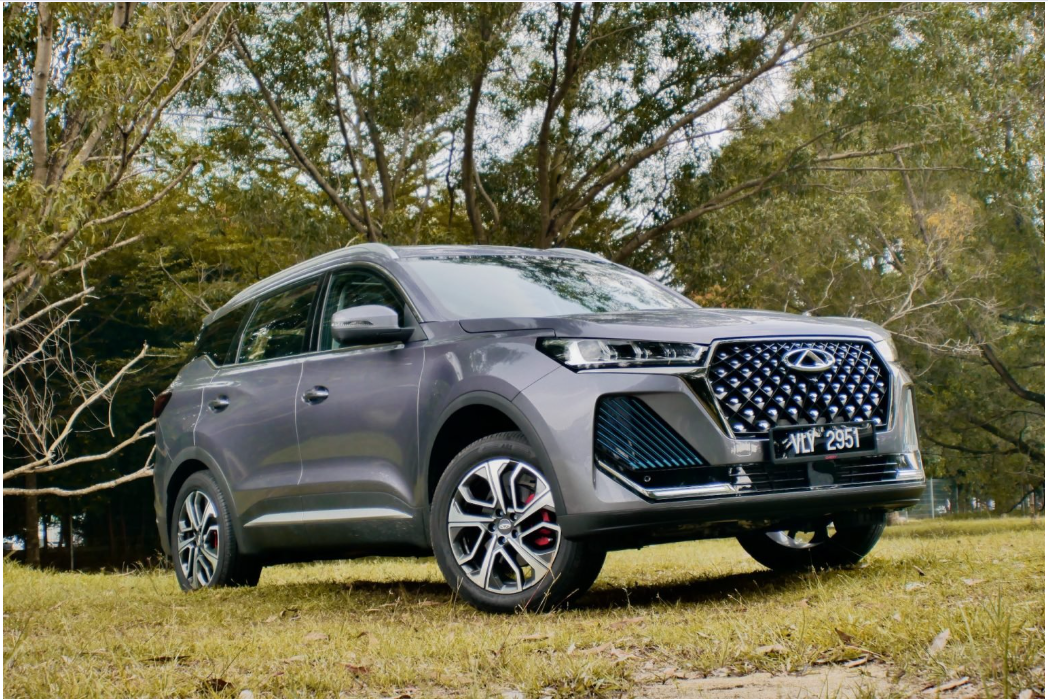
Chery, another Chinese brand, has recorded a staggering 182% growth, with 12,699 units sold. This remarkable performance is a testament to Chery’s strategic approach to the Malaysian market. This rapidly growing Chinese brand registered 6,826 units as of March 2025.
Technology-Rich Offerings at Competitive Prices
Chery’s success can be attributed to its technology-rich offerings, which provide consumers with advanced features at competitive prices. This value proposition has resonated strongly with Malaysian car buyers.
Quality Improvements and Consumer Perception
Chery has also made significant strides in improving its quality and altering consumer perception. The brand’s commitment to enhancing its products has helped to build trust among Malaysian consumers.
6. Mitsubishi: The Pick-Up & SUV Powerhouse

Mitsubishi continues to be a solid contender in Malaysia’s automotive market, especially with its focus on rugged, reliable vehicles that suit both urban and off-road lifestyles.
Strong Presence in the SUV and Pick-Up Segment
Mitsubishi’s Triton and Outlander remain popular choices among Malaysians who prioritise durability and performance. These models appeal to families, adventurers, and commercial users alike.
In Q1 2025, Mitsubishi recorded around 3,725 registrations, securing its place among Malaysia’s top automotive brands.
Trusted Reliability and Advanced Safety Features
The brand’s emphasis on reliability and advanced safety features has strengthened its reputation. Mitsubishi continues to improve its offerings to meet Malaysia’s growing demand for robust and versatile vehicles.
7. Mercedes-Benz: The Star of Malaysia’s Premium Segment

Mercedes-Benz saw a 33.3% decline to under 8,000 units in 2024. Yet, it remains a key player in Malaysia’s luxury car market. Its strong heritage and quality reputation continue to draw discerning customers. As of March 2025, 2,221 registrations were recorded.
Flagship Models and Market Leadership
Flagship models like the S-Class and E-Class are highly sought after. They contribute to Mercedes-Benz’s leadership in the premium segment. These models showcase the brand’s dedication to luxury and innovation.
Customer Experience and Brand Loyalty
Mercedes-Benz aims to improve customer experience with extensive after-sales services and personalised experiences. This fosters loyalty among its Malaysian clientele.
8. Mazda: Stylish Performance for the Modern Driver

Mazda maintains a steady presence in Malaysia thanks to its sleek design philosophy and engaging driving dynamics.
Design Philosophy and Strong Model Line-Up
Mazda’s Kodo design language and models such as the Mazda 3, CX-5, and CX-30 have earned strong admiration from Malaysian buyers.
In March 2025, Mazda recorded over 2,189 registrations, showing consistent demand in the market.
Market Position and Customer Confidence
With a focus on quality and technology, Mazda has cultivated a loyal customer base. Its SKYACTIV engine technology improves fuel efficiency and performance, aligning well with Malaysian driving needs.
9. BYD: Leading the Electric Revolution

BYD is at the forefront of Malaysia’s electric vehicle (EV) revolution. The brand has seen a remarkable 91.7% growth in registrations, with 8,570 units sold. This success can be attributed to its cutting-edge battery technology and a complete ecosystem. In 2025 alone, BYD recorded over 2,159 registrations in March, proving its strong foothold in the EV sector.
Battery Technology and Ecosystem Advantages
BYD’s advanced battery technology provides a significant edge in the EV market. The brand’s ecosystem, which includes charging solutions and support infrastructure, further enhances its appeal to Malaysian consumers.
Government Incentives and Infrastructure Development
The Malaysian government’s incentives for EVs have played a key role in BYD’s success. As infrastructure continues to develop, the brand is well-positioned to capitalise on the growing demand for electric vehicles.
10. BMW: Performance Luxury for Malaysian Elites

BMW sold 10,500 units in 2024, a 10.2% drop. Yet, its focus on performance luxury keeps it appealing to Malaysian consumers.
Popular Models and Local Assembly Advantages
The BMW 3 Series and X5 are favourites among Malaysian buyers. They benefit from local assembly, which reduces costs and improves warranty services.
In March 2025, BMW recorded over 1,862 registrations, maintaining strong competition in the premium market.
Electrification Strategy and Digital Innovation
BMW is advancing its electrification strategy with models like the i4 and iX3. This move towards sustainable mobility meets global trends and Malaysia’s growing demand for eco-friendly vehicles.
Future Trends Reshaping Malaysia’s Automotive Landscape
Looking ahead, several trends are set to transform Malaysia’s automotive sector. The industry is on the brink of a major shift. The move towards electric vehicles (EVs) is accelerating, with EV sales soaring. Tesla registrations have seen a 238.7% increase, and Proton’s e.MAS 7 became the top EV in January 2025.
Autonomous driving and connected car tech are poised to revolutionise the Malaysian market. They promise to boost safety, cut down on traffic, and enhance driving experiences. As tech advances, expect more cars with advanced driver-assistance systems (ADAS) and vehicle-to-everything (V2X) communication.
The traditional car ownership model is facing a challenge from Mobility as a Service (MaaS). MaaS platforms offer a variety of transport options, from car-sharing to ride-hailing. This shift could significantly alter the automotive industry, impacting vehicle sales and ownership patterns.
Conclusion: The Road Ahead for Malaysia’s Automotive Market

As Malaysia speeds into 2026, one thing is clear: the brands dominating our roads aren’t just selling cars, they’re defining lifestyles, shaping commutes, and powering adventures from city streets to kampung routes. Whether it’s local stalwarts, global giants, or the new wave of electrified contenders, these automotive leaders have earned their place in the fast lane. And if this year is anything to go by, the race is only getting more exciting, so buckle up, Malaysia. The journey ahead looks incredibly promising.
Malaysia’s automotive landscape continues to evolve, but true excellence remains unmistakable. The Top Quality Brand Awards celebrate automotive brands that go beyond horsepower and design, honouring those that earn trust through durability, innovation, and customer-first commitment. Being nominated signals that your brand is not just part of the industry but leading its direction. Nominate now to be recognised for the impact you create on Malaysian roads.