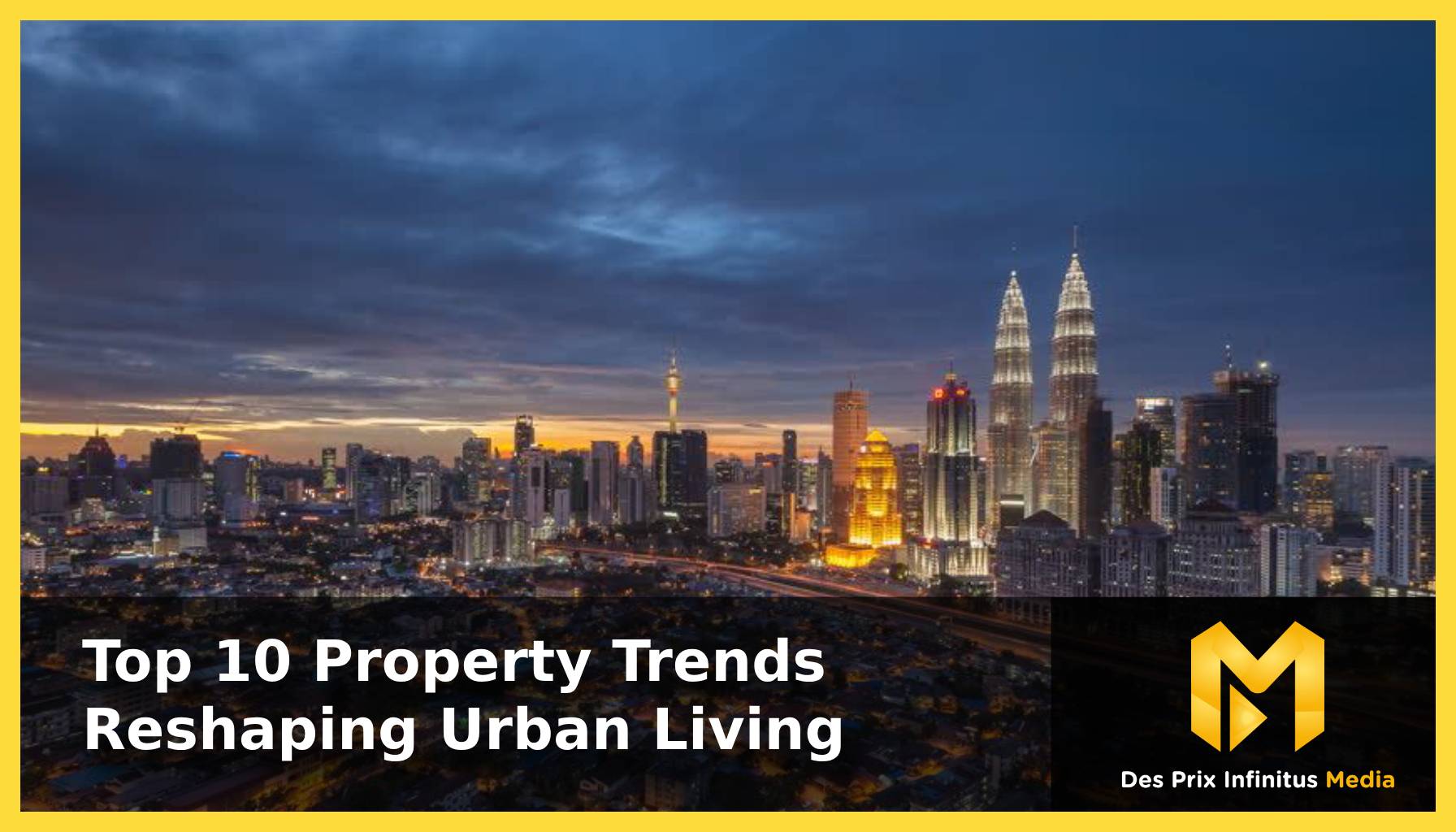
The developing city skyline of Malaysia displays the evolution of architecture and engineering. Developers study the market trends to respond to newer challenges with new ideas and solutions. Adapting to an ever-changing demand of the market, new innovative trends emerged as rapid modernisation took over. Factors such as population density, environmental concerns and shifts in lifestyle preference are constantly changing with the world, each bringing new considerations for developers to consider. The focus has shifted to not just building homes; but to craft urban ecosystems.
This article delves into the ever-evolving landscape of property development. Let’s highlight how developers can craft dynamic experiences for an increasingly diverse array of niche markets.
1. Communities in the Sky
Sky communities dot the landscape of Malaysia, bringing it the economic benefits of an ever-growing metropolis. These towering homes can shelter an entire village worth of families. This is how we solve the growing issue of overcrowding.
The answer is to build upwards. Community is also taken into account with shared facilities like gyms, swimming pools, co-working spaces and shared hubs. When a village takes many acres of land, these condominiums can do it with less land space. These vertical communities foster vibrant connectivity, redefining what it means to cultivate communities in the modern era.

2. Hanging Gardens of Malaysia
With the spreading awareness of environmental concerns, developers take to incorporating greenery back into grey concrete. Verdant curtains shade the sides of skyline homes, nature’s revival.
Lush gardens bring a healing ambience to the hectic concrete jungle. More research has shown that living behind concrete walls in the city only brings stress. However, with the addition of well-groomed gardens, it could reduce stress.
Buyers are starting to appreciate the soothing effects of living with nature and the architecture reflects this need. Even landed properties are now designed with rooftop gardens or plant-friendly layouts.
3. Built by the Earth
As the public shifts the focus on more green alternatives, developers are starting to adapt to this culture into their developments. From architectural designs that save on electrical costs for heating/cooling to using more sustainable materials to build, these features are starting to become the main focus point for developers who wish to build a sustainable future. Including passive design concepts, to utilise the natural elements to the homeowner’s advantage, or utilising eco-sustainable materials during construction.

4. Harmonising with nature.
Developers are weaving eco-focused designs into their projects. Details such as integrating solar panels, rainwater harvesting systems, and EV charging stations to reduce utility costs while attracting environmentally conscious buyers.
These initiatives align with government pushes for low-waste, green infrastructure and serve as powerful incentives in an increasingly climate-aware market.
5. The AI–Robotics Nexus
It’s a race to build smarter cities, and AI may just give developers the edge. AIs could assist developers in reading large amounts of data and consolidating important bits of information to make smart, informed decisions. Mapping out optimal layouts and simulating different locations and their impacts.
Once refined, advanced robotics lays out the foundations of the projects. From modular assemblies to 3D printing houses, modern technology has sped up the timeline for construction.
6. Smart Homes for Smart Users
Property isn’t just a purchase—it’s an experience. Developers now blend smart home ecosystems with augmented reality (AR) to sell convenience and vision in tandem. Prospective buyers can virtually explore homes where lights respond to gestures, appliances sync to voice commands, and energy usage is optimised by AI. The AR interface demonstrates these smart features live, even before the home exists.
From the moment buyers walk into the sales gallery, the experience has already started. Developers now give buyers a more hands-on experience by bringing in virtual reality tools. Virtual reality simulations to show buyers what they are in for with customizable features. Smart homes also take the centre stage, showing how interconnected every device can be for convenience and efficiency.
7. New-Age Economics
As urban rents climb, a new financial alternative is gaining traction: co-living spaces. These community-focused units are often compact in design but rich in shared amenities. Strategically located within transit-oriented developments (TODs), offering residents access to communal utilities. By reducing private space and promoting proximity to public transport or carpooling options, they lower both housing and commuting costs.
This model doesn’t just appeal to current economic trends; it resonates with a lifestyle built on mobility, connectivity, and cost-saving. Developers now leverage smart location planning and shared living concepts to tap into emerging markets while maintaining healthy returns.

8. Generational Wealth
Meanwhile, a different wave of development trends focuses on longevity by focusing on building long-lasting relationships. By merging wellness-centric features to build an intergenerational community, these projects nurture environments for everyone.
Biophilic design features such as garden terraces, natural lighting, fitness playgrounds and flexible layouts support multi-generational co-existence. These developments help solve long-term challenges: caring for ageing populations, fostering social resilience, and embedding health into the blueprint of daily life
9. Adaptive Efficiency
Gone are the days when old buildings were liabilities. Today, adaptive reuse—transforming warehouses, shophouses, and factories into vibrant residential or commercial spaces—is a cornerstone of sustainable development. When combined with modular construction techniques, which allow pre-fabricated components to be assembled rapidly on-site, the result is a double win: significant cost savings and streamlined maintenance.
Whether it’s creating flexible apartments, mixed-use hubs, or community centres, this model empowers developers to maximise resource use while adapting quickly to shifting market demands. Maintenance becomes predictable, expansions are scalable, and urban character is preserved.
10. Navigating through the storms
In certain flood-prone areas, the fight starts on the land we stand on. New strategies for development merge climate-focused designs like elevated platforms, permeable pavements, wind-channelling architecture and flood-resistant layouts. These ensure safety and fast recovery procedures for everyone involved.
Beyond simple damage control, these strategies instill foresight into the consciousness of everyone. Extreme storms become more manageable, streets become safe corridors, and homes stay dry during monsoon seasons. Public spaces double as educational and safe zones to raise climate awareness.

Smart, sustainable, and community-driven, that’s what today’s property trends demand. Behind every bold trend is a developer with courage and vision. If you know a property developer driving real impact through thoughtful, value-boosting innovations, nominate them for the ASEAN Property Developers Awards today. Let their excellence be celebrated.