

Take a quick look at your keyboard. Ever wondered why the letters aren’t neatly arranged from A to Z? It seems like the most logical layout, yet almost every laptop, desktop and smartphone follows the same mysterious pattern: QWERTY.
As it turns out, the reason has everything to do with solving a 150-year-old engineering problem.
It All Started with the Typewriter
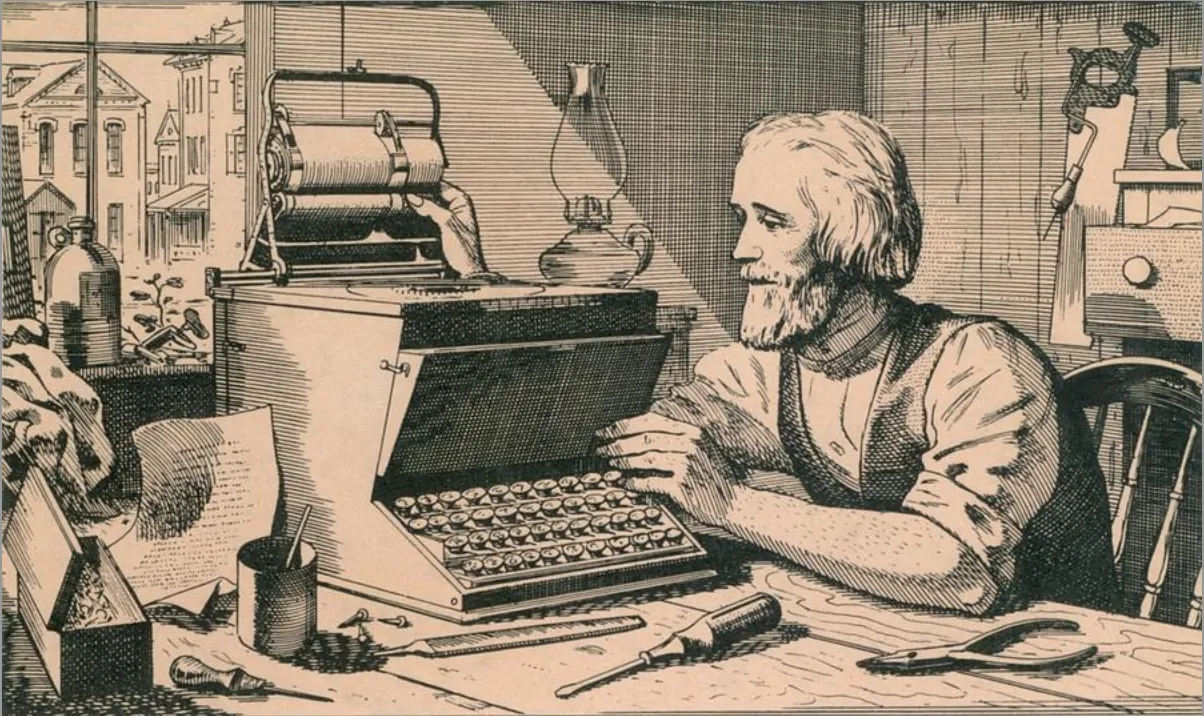
Long before computers existed, people typed on mechanical typewriters. In the 1870s, American inventor Christopher Latham Sholes developed one of the first practical typewriters. His earliest keyboard layouts were much closer to alphabetical order.
However, there was one major problem.
When people typed quickly, the metal arms (called typebars) that struck the paper would collide and jam together. The faster the typist, the more frustrating the machine became.
The “Slow Down to Speed Up” Solution
To reduce these jams, Sholes experimented with different key arrangements.
Instead of placing commonly used letters next to one another, he spread them apart. This forced typists to alternate their hands more often and reduced the chances of neighbouring typebars clashing.
Ironically, making the keyboard slightly less convenient actually made typing faster overall, because users spent far less time stopping to untangle jammed keys.
Then QWERTY Became the Standard
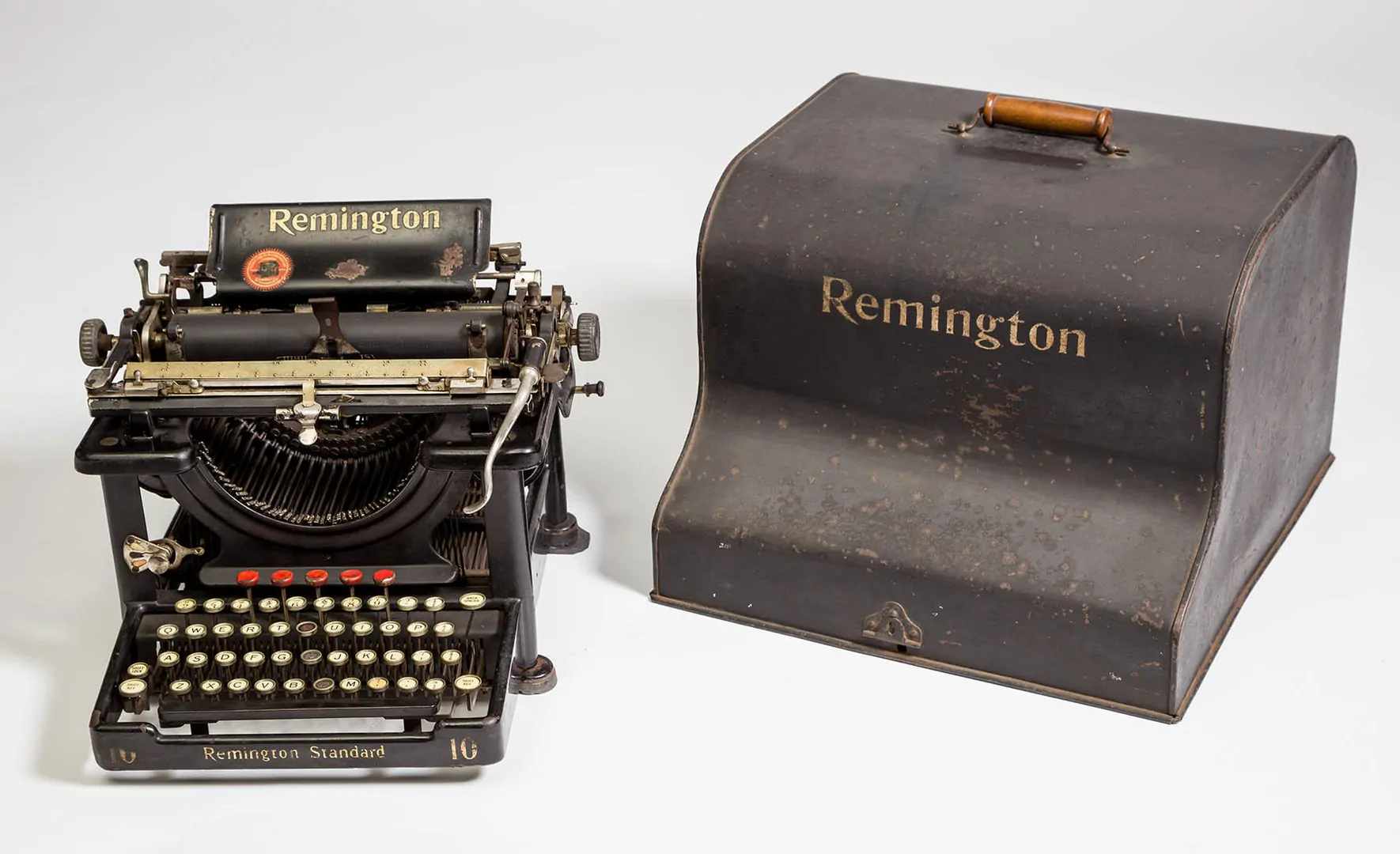
In 1873, Sholes sold his design to Remington, one of the world’s leading typewriter manufacturers. Their commercially successful typewriters featured the now-famous QWERTY layout, named after the first six letters on the top row.
As businesses, schools and offices adopted Remington machines, millions of people learned to type using QWERTY. By the time alternative layouts appeared, the world had already built its typing habits around it.
Is QWERTY Really the Fastest?
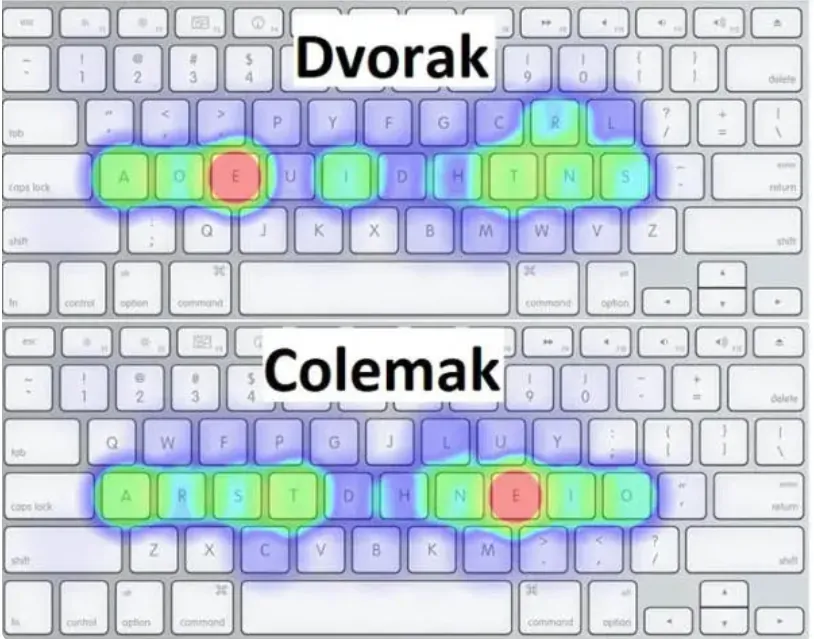
Surprisingly, not necessarily.
Layouts such as Dvorak and Colemak were later designed to reduce finger movement and improve typing efficiency. Many studies suggest they can be more ergonomic for experienced users.
So why hasn’t everyone switched?
Because changing decades of muscle memory is incredibly difficult. Businesses, schools, software and billions of users already rely on QWERTY, making it one of the strongest examples of how an early technology standard can outlive the problem it was originally designed to solve.
A 19th-Century Design Still Shapes Our Digital Lives
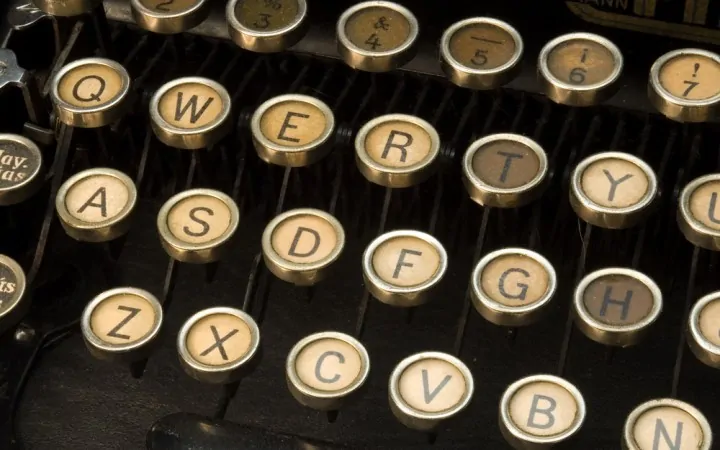
Every email you send, every message you type, and every online search you make is influenced by a layout created more than 150 years ago.
The next time your fingers effortlessly dance across a keyboard, remember: those seemingly random letters weren’t arranged by accident. They were the clever solution to a Victorian-era mechanical problem, and somehow became the global language of typing that we still use today.