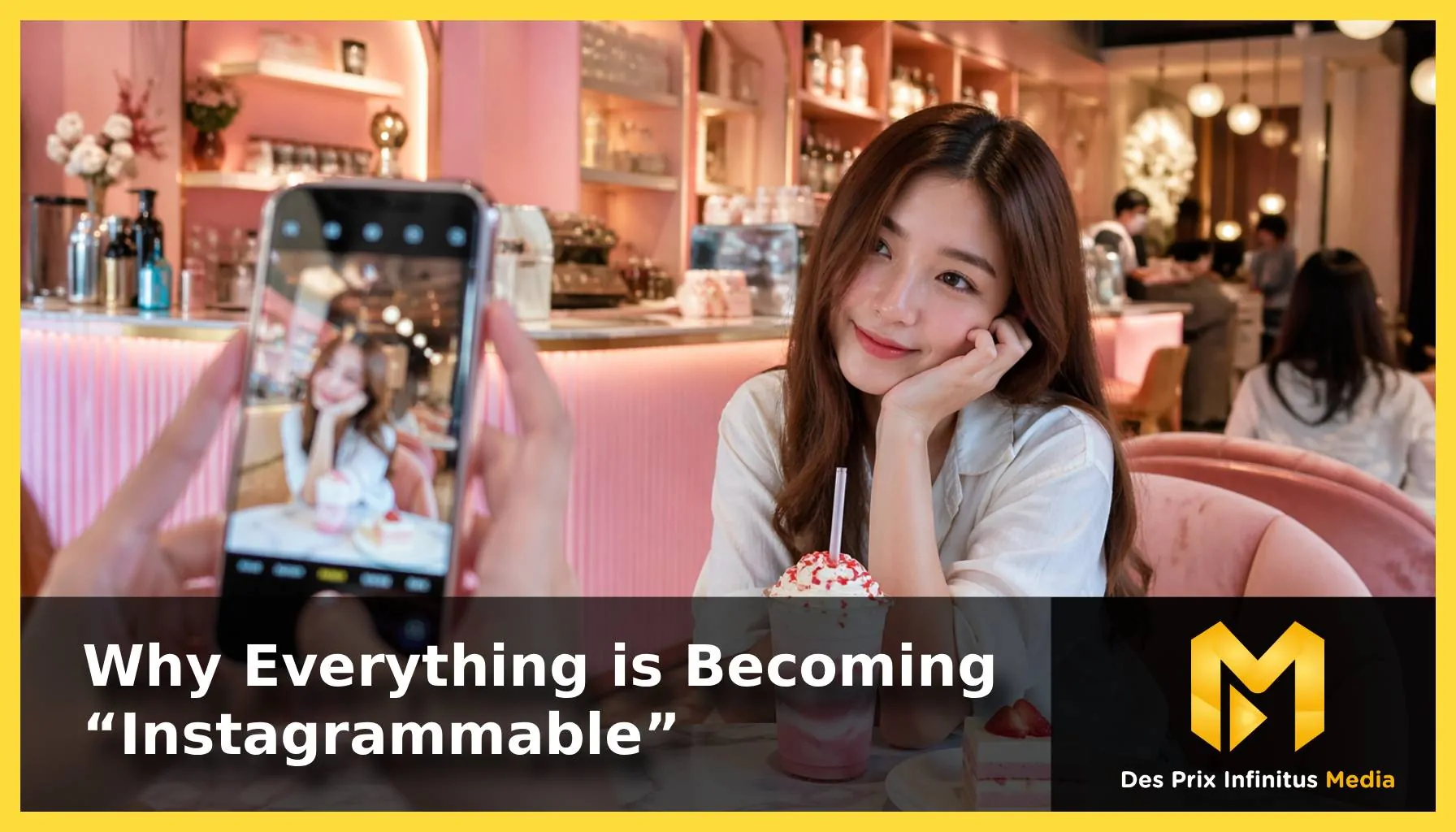
Remember when food was just… food? There was a time when it didn’t need a personality or match your feed’s colour palette, it just had to taste good.
Today, even the most ordinary meals look like they belong on your feed. Suddenly everything needs to look like it belongs on a Pinterest board. We have quietly entered an era where every experience comes with a visual expectation. The question is no longer just “Is this good?” but “Can post or not?”
Welcome to a culture where visibility depends on how it looks.
The Rise of the Aesthetic Economy
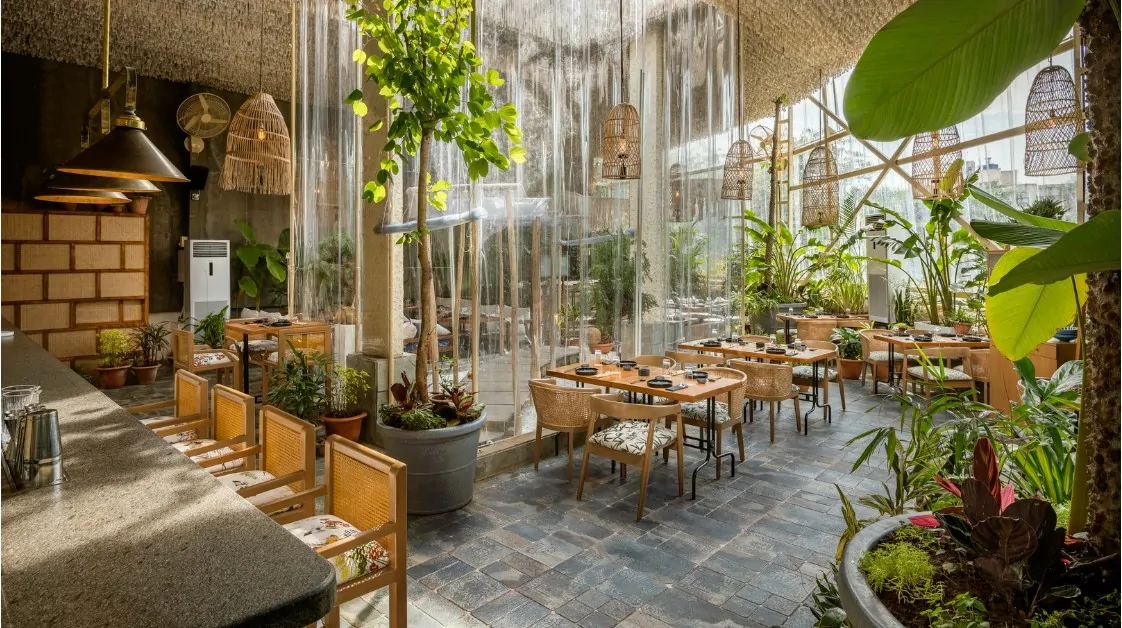
We’re living in what can only be described as an aesthetic-driven economy. Every brand, café, and space is built around one defining question: Will this photograph well?
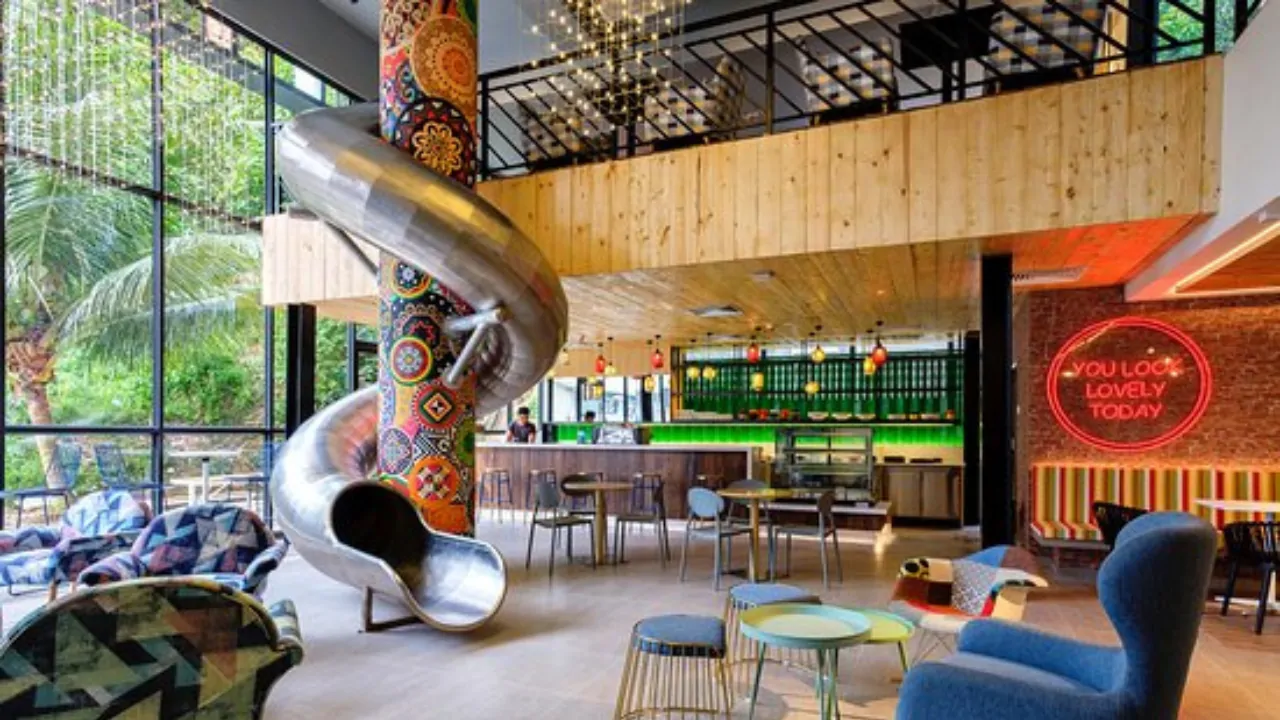
Design is no longer just about function or comfort, it’s about shareability. Interiors are crafted with photo spots in mind, menus are designed for visual contrast, and lighting is engineered to flatter both the product and the person behind the camera.
Even the most unexpected places, a roadside stall or a parking-lot café, now feature neon signs, murals, or carefully curated corners. This isn’t accidental; it’s intentional.
Brands are no longer just selling products; they’re selling moments. Take Xing Fu Tang, the caramelised sugar, open flames, and slow-cooked pearls transform a simple drink into a performance. It’s designed to be watched, filmed, and shared.
Visibility is no longer optional. It’s everything. Because today, attention is currency, and “Instagrammable” isn’t a bonus. It’s the business model.
We Trained the Algorithm

Every like, share, and save has shaped what we see today. Platforms didn’t decide aesthetics on their own; we did.
We rewarded clean visuals, satisfying shots, and visually dramatic moments. Over time, the algorithm learned exactly what holds our attention, and now it feeds us more of the same.
But it doesn’t stop there. What performs well doesn’t just get seen, it gets replicated. Businesses now create with the algorithm in mind. If it doesn’t stand out on screen, it doesn’t stand a chance.
A place that photographs well is more likely to be posted. A place that gets posted is more likely to be discovered. A place that is discovered through feeds starts designing itself for the next feed. This creates a loop: design for attention, gain exposure, redesign for more exposure. The result is that shops, products, travel spots, menus, packaging, and interiors are increasingly shaped by how they will appear on a screen.
That logic extends beyond businesses. Travel itself is being reorganised around visual performance. Social-media-driven tourists often seek highly photogenic locations to reproduce familiar online images, sometimes prioritising the image over the place itself. Researchers writing in The Conversation describe this as part of an “aesthetic economy,” where travel is staged for likes, views, and brand value rather than discovery or cultural exchange.
Experiences Over Products
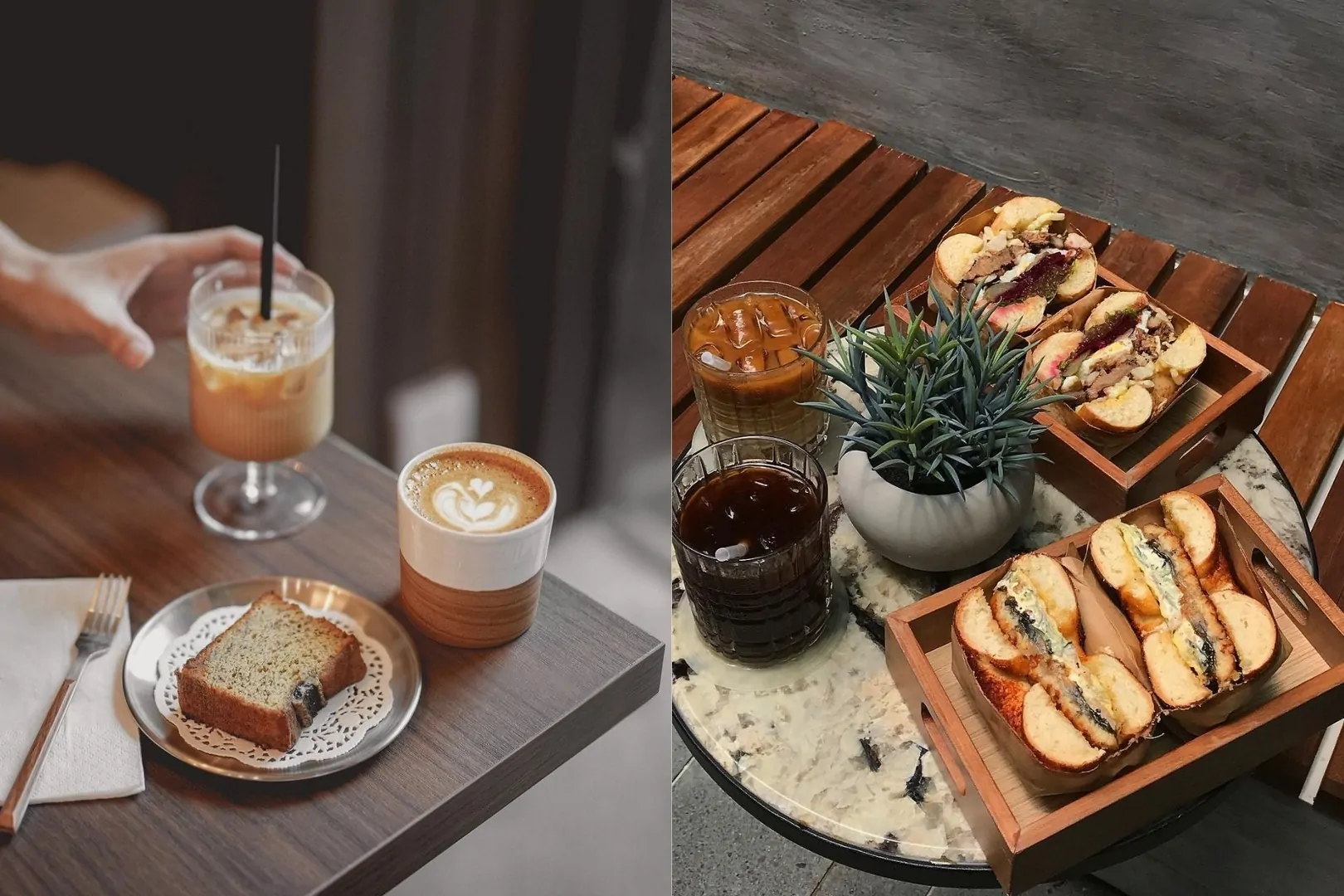
We’re no longer just buying things; we’re buying experiences. And those experiences need to look good.
Think about it:
- A plain latte = RM12
- A latte with art, a view, and aesthetic lighting = RM18 (and somehow worth it)
Why? Because you’re not just paying for the drink.
You’re paying for the moment + memory + post.
From food to skincare, packaging and presentation are no longer secondary. If it’s visually appealing, it becomes shareable, and that shareability adds value.
The Hidden Cost of Looking Good
But there’s a trade-off.
When everything is designed to be photogenic, prices rise. Aesthetics cost money. Authenticity can take a backseat. And real life starts to feel like it’s competing with curated feeds.
Not every moment needs to be staged. Not every experience needs to be documented. Yet, the pressure quietly builds.
Final Thought: Curate the Feed, Not Your Life
There’s nothing wrong with loving beautiful things. Or sharing moments that matter. But not everything needs to be filtered, framed, or posted. Some of the best experiences are the ones you didn’t plan, didn’t capture, and didn’t overthink. And maybe, that’s what makes them truly worth having.
Aesthetic is no longer optional, it’s expected. Whether it’s a latte, a retail space, or a product launch, brands are now competing for attention in both physical and digital worlds. The Top Quality Brand Awards honours brands that understand this shift, creating experiences that look as good as they feel. If your brand consistently earns double-taps and real-world loyalty, it deserves more than just likes. Nominate your brand and turn attention into recognition.