
The ground trembles. Sirens echo through the streets. Within seconds, people move—not in panic, but in precision. In Japan, natural disasters are not rare interruptions. It is part of everyday awareness.
To many observing from afar, Japan can seem like a country constantly under siege by nature. Earthquakes, tsunamis, typhoons, and volcanic eruptions it appears relentless. But Japan is not simply “unlucky.” Its reality is shaped by a powerful combination of geography, geology, and climate that places it directly in nature’s most active zones.
Where Tectonic Forces Converge
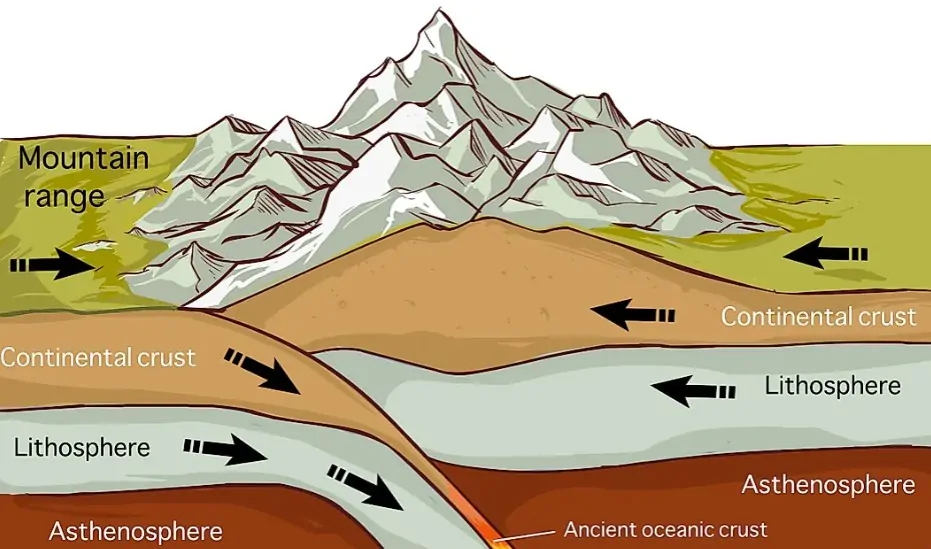
Japan’s vulnerability begins beneath its surface. Deep within the Earth’s crust. The country sits squarely on the Pacific Ring of Fire, a horseshoe-shaped belt responsible for about 90% of the world’s earthquakes. It is one of the most seismically active zones in the world. Here, multiple tectonic plates collide and shift constantly.
Here, four major tectonic plates converge:
These plates are constantly moving, colliding, subducting, and grinding against one another. Japan lies at the intersection of these immense forces. As stress builds and releases along fault lines, earthquakes become inevitable.
Japan experiences thousands of earthquakes every year. Most are minor. But the scale of potential destruction remains ever-present.
When the Ocean Becomes a Threat
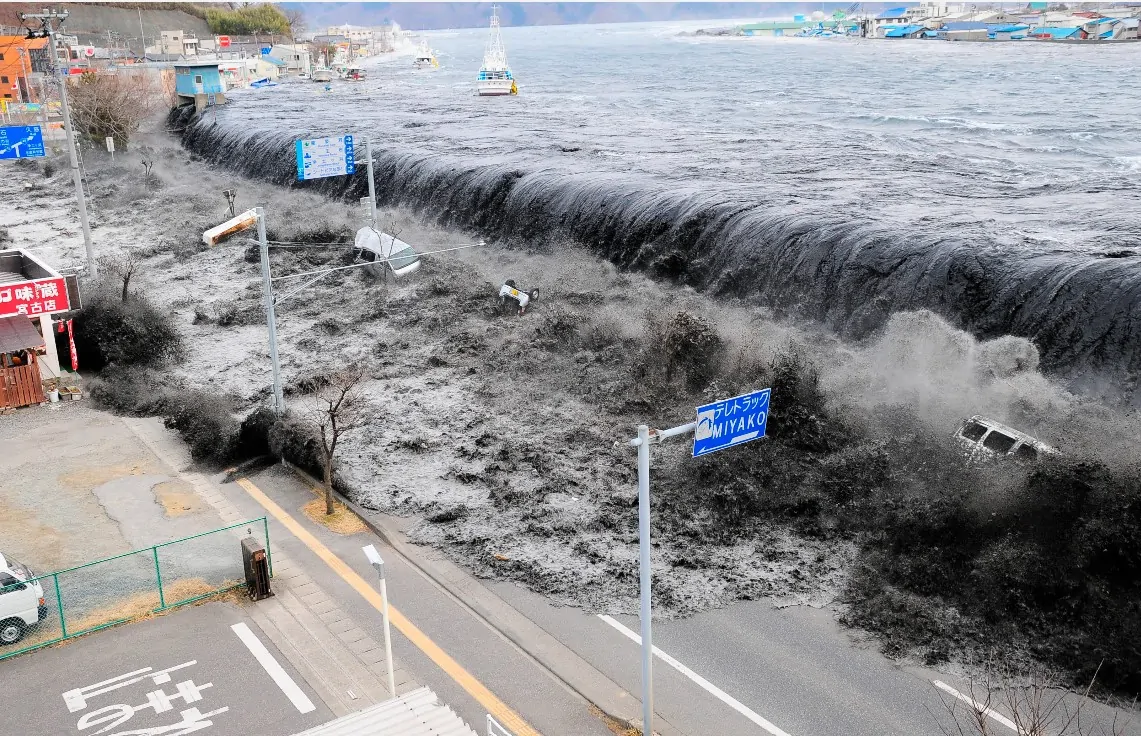
Earthquakes beneath the sea often trigger tsunamis, massive waves capable of crossing entire oceans. Japan’s long coastline increases its exposure, turning the surrounding waters into both a resource and a risk.
The memory of the 2011 Tōhoku earthquake and tsunami remains a stark reminder of how quickly nature can escalate. The disaster, in particular, revealed how interconnected natural forces can be. A massive undersea earthquake triggered a devastating tsunami, which then led to the Fukushima nuclear disaster. It was a chain reaction that reshaped policies, infrastructure, and global discussions on disaster preparedness.
In Japan, earthquakes are not isolated incidents; they often set off cascading consequences.
Climate, Coastlines, and Volcanic Risks
Beyond tectonic activity, Japan’s climate adds another layer of complexity. Positioned in the path of seasonal typhoons, the country regularly faces intense storms, heavy rainfall, and flooding. Each year, powerful weather systems sweep across the region, testing infrastructure and resilience. Landslides, river overflows, and urban flooding are not uncommon during peak seasons.
Nature, in Japan, operates on multiple fronts: land, sea, and sky.
Other than that, Japan’s extensive coastline, stretching over 29,000 kilometres, places it at high risk of tsunamis. Underwater earthquakes displace massive volumes of water, sending waves racing toward land at jet-like speeds.
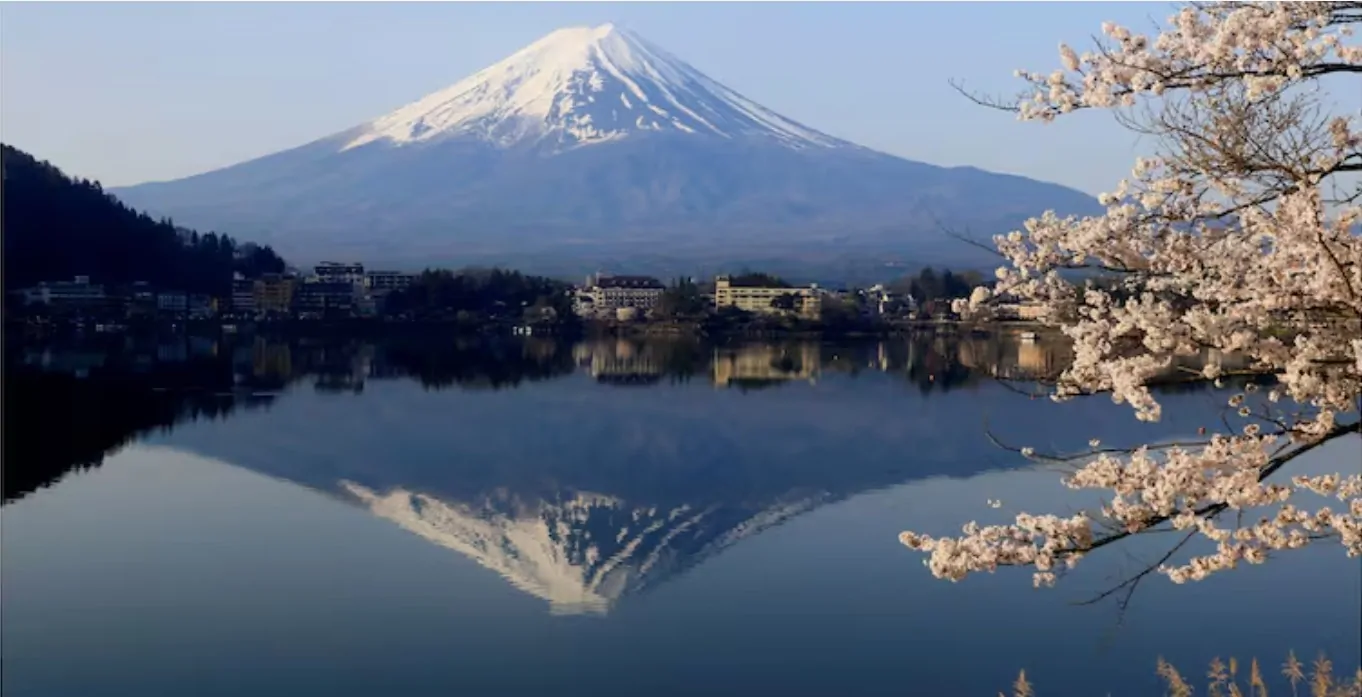
Japan is home to over 100 active volcanoes, including the iconic Mount Fuji. While often admired for its beauty, Mount Fuji is still an active volcano, as are many others across the archipelago.
Resilience as a National Identity
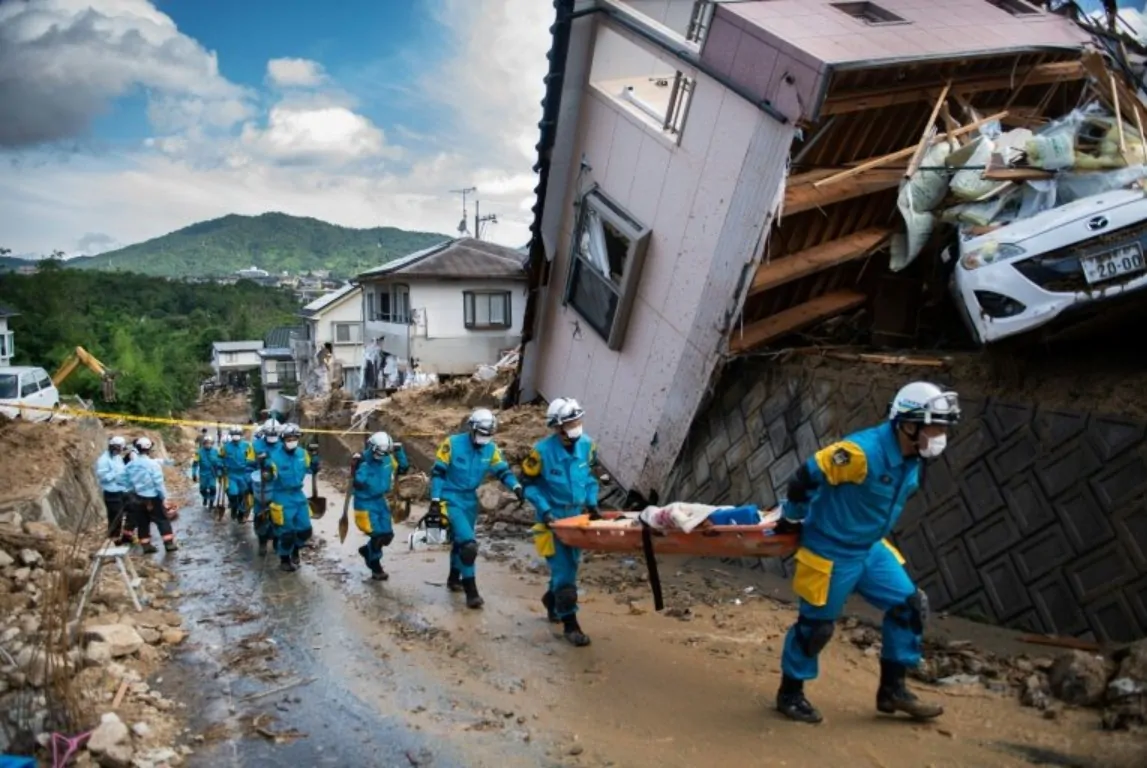
Despite facing some of the most intense natural forces on Earth, Japan continues to thrive, economically, culturally, and socially. Cities are rebuilt. Systems are improved. Lessons are learned.
Even infrastructure from bullet trains to skyscrapers is designed with disaster resilience in mind. Japan does not attempt to control nature. It adapts to it. The country’s resilience is not just about recovery; it is about continuous evolution. Each disaster becomes a reference point for stronger systems and smarter responses.
More Than a Story of Survival
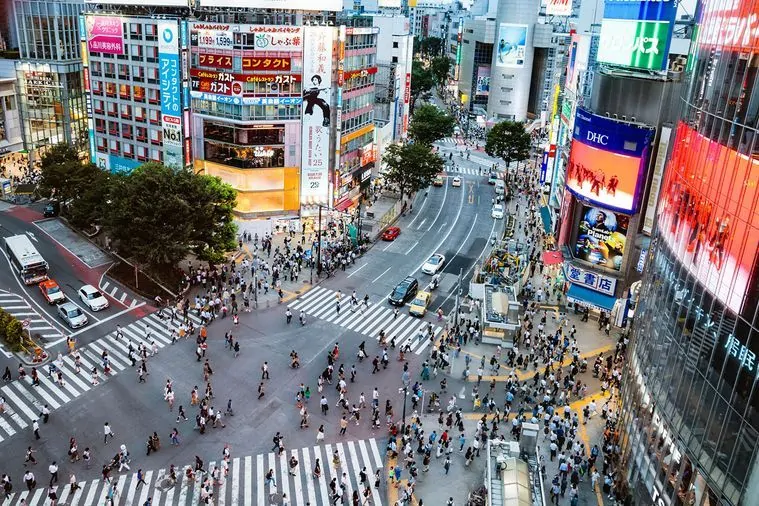
Japan’s relationship with natural disasters is not defined by fear, but by understanding. It is a nation that stands at the intersection of powerful natural forces, yet chooses discipline over panic, preparation over complacency, and resilience over retreat. The real question is no longer why Japan experiences so many natural disasters. It is how a nation continues to stand strong again and again on ground that never truly stands still.