

Think you’ve tried everything? Think again…
Before you wrinkle your nose, remember this: what seems unusual to one culture is often a treasured delicacy in another. These foods aren’t created to shock; they’re born from history, geography and human ingenuity.
Ready for a culinary adventure? Here are 10 traditional foods from around the world that prove food is much more than what’s on the plate.
1. Hákarl (Iceland)
What it is:
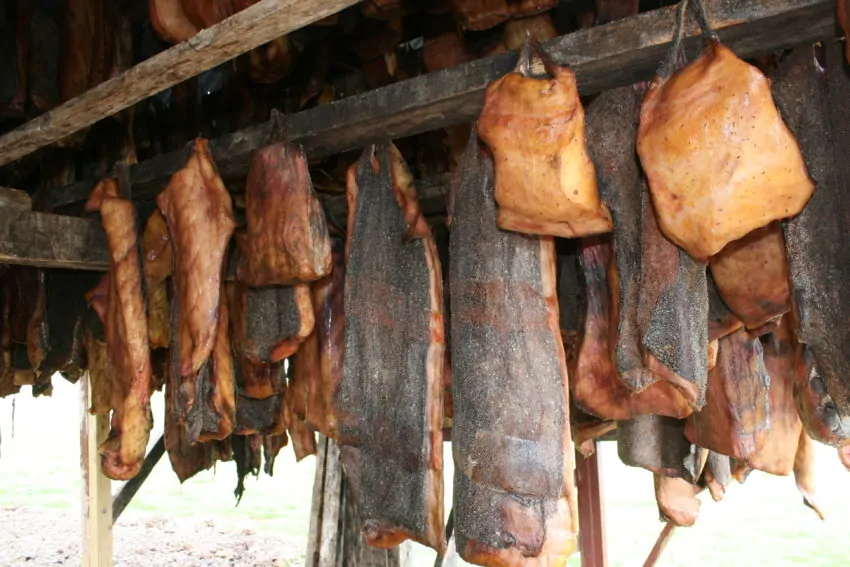
A traditional Icelandic delicacy made from Greenland shark that’s buried, fermented for several months, and then hung to dry before being cut into bite-sized cubes.
Why it’s special:
- Dating back to the Viking era, Hákarl was developed as a way to preserve shark meat, which is unsafe to eat fresh.
- It reflects Iceland’s ingenuity in surviving harsh Arctic winters.
- Often served during the midwinter festival Þorrablót, celebrating Icelandic heritage.
Why it’s intriguing:
Its powerful ammonia-like smell has earned it a reputation as one of the world’s most intimidating foods, making it a must-try for adventurous travellers.
2. Casu Marzu (Sardinia, Italy)

What it is:
A traditional Sardinian sheep’s milk cheese intentionally aged with live cheese fly larvae, which naturally soften the cheese into an exceptionally creamy texture.
Why it’s special:
- A centuries-old delicacy unique to the Italian island of Sardinia.
- Represents traditional cheesemaking methods passed down through generations.
- Considered a cultural treasure despite being restricted in many places.
Why it’s intriguing:
Most cheeses are prized when perfectly aged. This one is famous because it’s literally alive.
3. Balut (Philippines)

What it is:
A fertilised duck egg incubated for around 14–21 days before being boiled and eaten directly from the shell.
Why it’s special:
- One of the Philippines’ most iconic street foods.
- Popular as an evening snack and valued for its high protein content.
- Deeply rooted in Filipino food culture and enjoyed across generations.
Why it’s intriguing:
While many visitors see it as a daring food challenge, locals simply see it as a delicious comfort snack.
4. Surströmming (Sweden)

What it is:
Baltic herring that’s lightly salted and fermented before being sealed in cans.
Why it’s special:
- A preservation tradition dating back hundreds of years.
- Traditionally served with flatbread, potatoes, onions and sour cream.
- A celebrated part of northern Swedish culinary heritage.
Why it’s intriguing:
Its famously pungent smell has sparked countless viral “first reaction” videos online.
5. Haggis (Scotland)

What it is:
Scotland’s national dish made from minced sheep’s heart, liver and lungs mixed with onions, oatmeal, spices and suet, traditionally cooked inside a sheep’s stomach.
Why it’s special:
- Served during Burns Night celebrations every 25 January in honour of Scotland’s national poet, Robert Burns.
- Symbolises Scottish heritage, history and resourcefulness.
- Traditionally enjoyed with “neeps and tatties” (mashed turnips and potatoes).
Why it’s intriguing:
Its unusual ingredients often surprise first-time visitors, but many leave Scotland wondering why they didn’t try it sooner.
6. Fugu (Japan)
What it is:
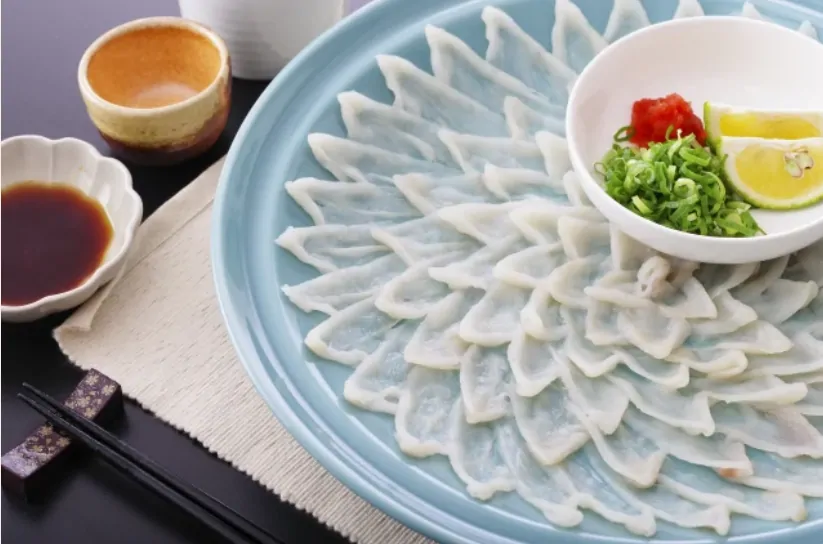
A delicacy made from pufferfish, carefully prepared and thinly sliced into sashimi.
Why it’s special:
- Only licensed chefs who undergo years of rigorous training can legally prepare it in Japan.
- The fish contains a powerful natural toxin in certain organs.
- Considered one of Japan’s most prestigious luxury dishes.
Why it’s intriguing:
Every bite is a testament to the chef’s precision and expertise, making the dining experience almost as exciting as the food itself.
7. Mattak (Greenland)
What it is:
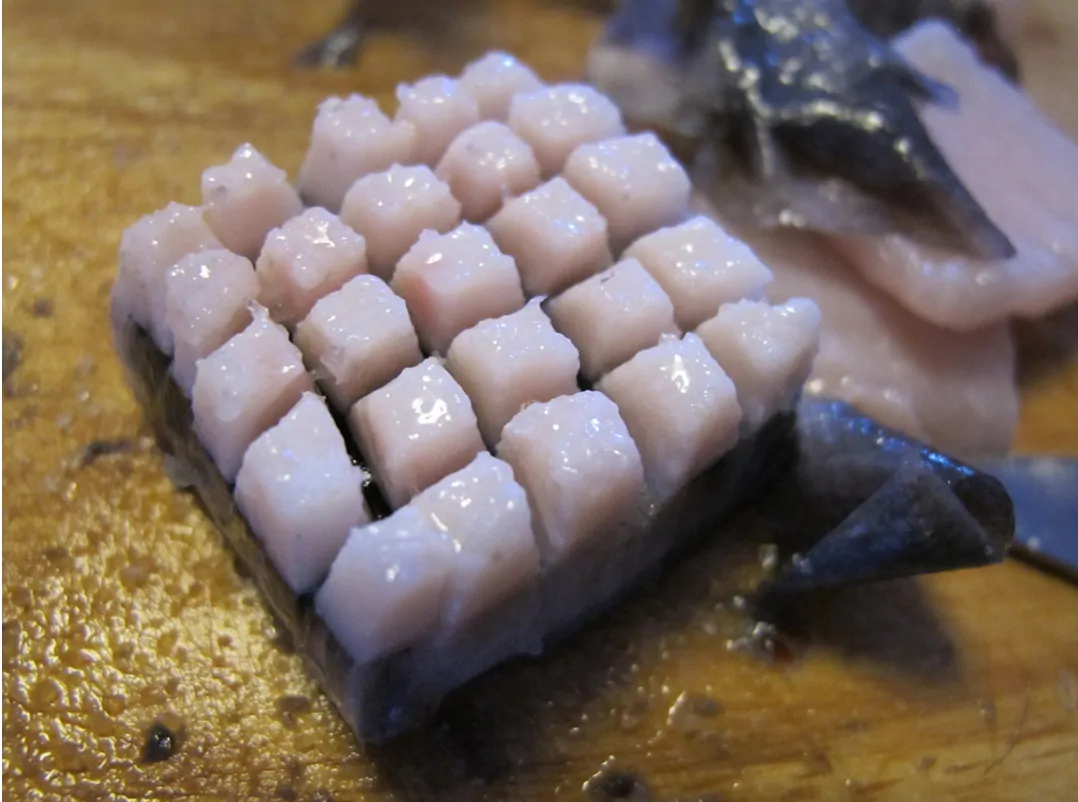
Raw whale skin with a layer of blubber, traditionally eaten by Inuit communities.
Why it’s special:
- An important source of vitamin C in Arctic regions where fresh produce is scarce.
- Has sustained Inuit communities for centuries.
- Often shared during community gatherings and celebrations.
Why it’s intriguing:
Its chewy skin and buttery blubber create a texture unlike almost any other food in the world.
8. Century Egg (China)

What it is:
Duck, chicken or quail eggs preserved for several weeks or months until the yolk becomes creamy and the white turns dark and jelly-like.
Why it’s special:
- A traditional Chinese preservation technique dating back centuries.
- Frequently served with congee, tofu or as an appetiser.
- Despite its name, it isn’t actually 100 years old.
Why it’s intriguing:
Its dramatic appearance often shocks first-time diners, yet its rich, creamy flavour surprises many.
9. Escamoles (Mexico)

What it is:
Edible ant larvae harvested from the roots of agave plants.
Why it’s special:
- Known as the “insect caviar” of Mexico.
- Enjoyed since the time of the Aztec civilisation.
- Considered a gourmet seasonal delicacy today.
Why it’s intriguing:
Imagine ordering caviar, only to discover it came from ants instead of fish.
10. Cuy (Peru)

What it is:
A traditional roasted guinea pig, usually served whole during festivals and family celebrations.
Why it’s special:
- Has been part of Andean cuisine for more than 5,000 years.
- Remains an important ceremonial dish in Peru, Ecuador and parts of Bolivia.
- Often reserved for special occasions and festive gatherings.
Why it’s intriguing:
Around the world, guinea pigs are beloved pets. In the Andes, they’re an age-old culinary tradition—showing how culture shapes what’s on our plates.
One Person’s “Weird” Is Another Person’s Comfort Food
It’s easy to label unfamiliar foods as strange, but every dish on this list exists for a reason. Some were born from survival, others from celebration, and many have been enjoyed for centuries before becoming internet sensations.
So, if you ever find yourself travelling through Iceland, Japan or Peru, perhaps the real question isn’t “Would you eat it?”, it’s “What story would you miss if you didn’t?”