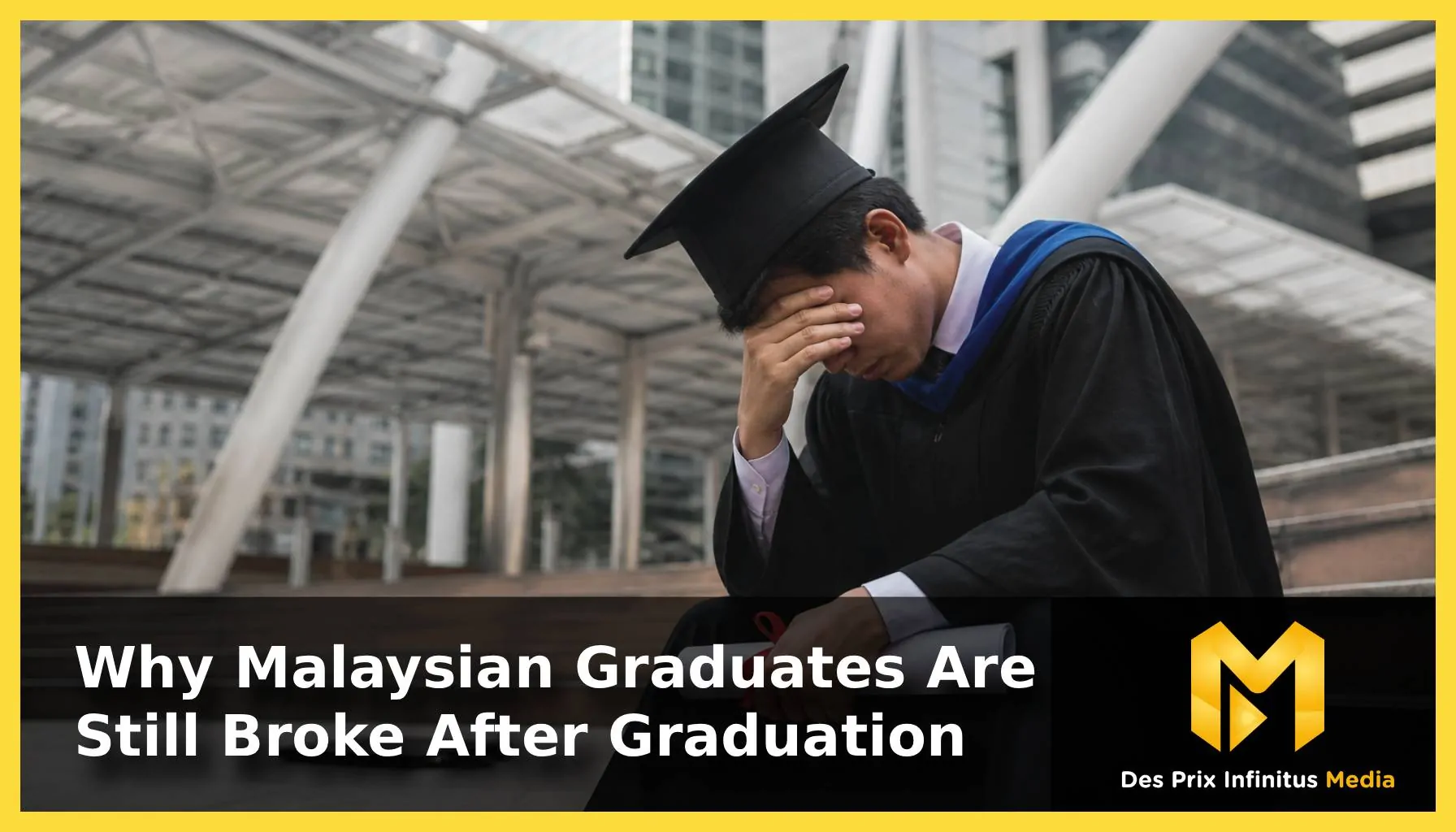
Every Malaysian student was raised on a simple promise: Study hard, get a degree, and life will fall into place.
Convocation day feels like the final level unlocked: robes, photos, proud parents, and that quiet belief that you’ve made it. For a moment, everything feels aligned.
But somewhere between tossing the graduation cap and refreshing job portals at 2 AM, reality hits differently. Because in 2026, the world waiting after graduation isn’t the one we were prepared for.
The Bitter Truth: When Reality Hits
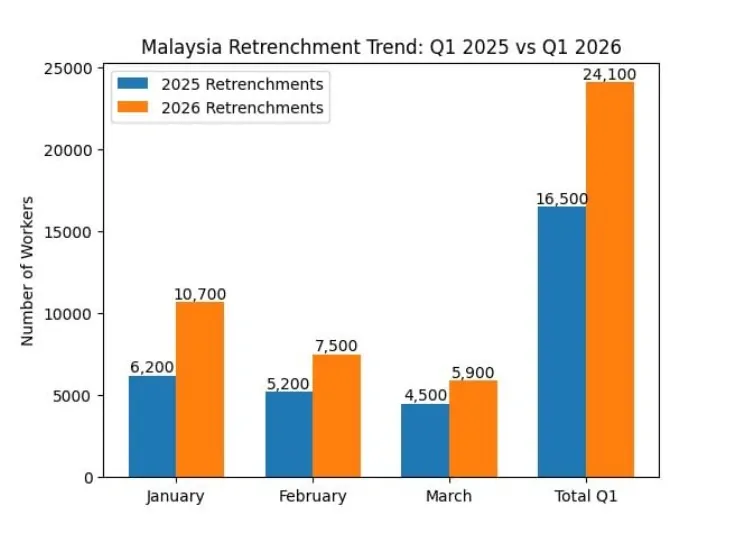
Here’s the part no one tells you early enough: Malaysia recorded 24,100 job losses in just the first quarter of 2026, a 47% surge compared to last year.
January alone saw over 10,700 layoffs, making it one of the sharpest spikes in recent memory.
Even more unsettling? The layoffs didn’t just disappear; they continued into April, signalling ongoing strain in the labour market. And the sectors affected, manufacturing, retail, and logistics, are exactly where many fresh graduates would typically begin their careers.
So when people say, “It’s hard to find a job,” what they really mean is: The door isn’t just narrow, it’s being blocked from the inside.
The Graduation Illusion: “A Degree = A Stable Life”
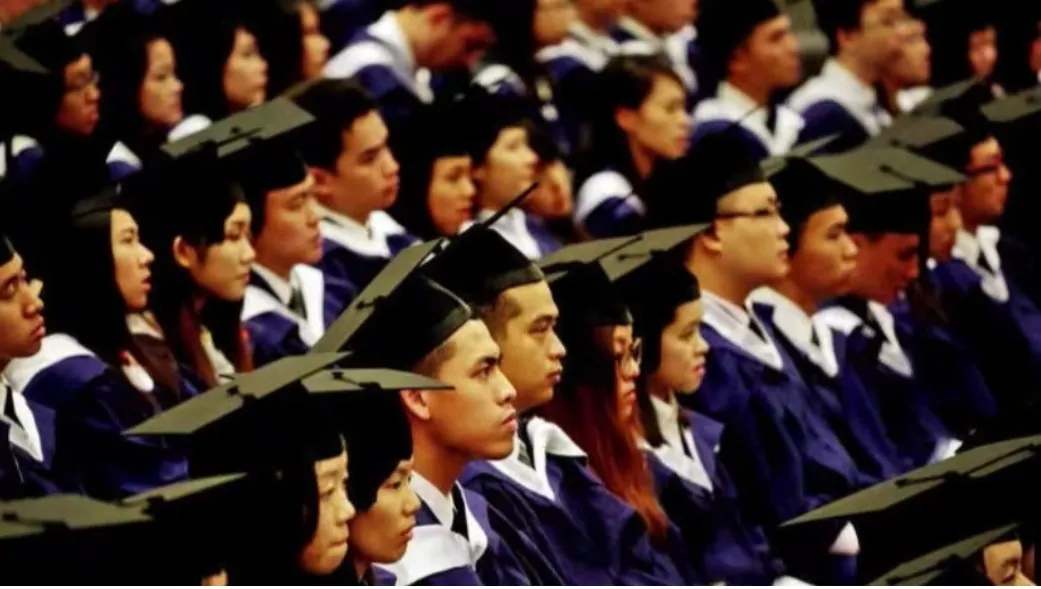
For years, we were sold a formula that felt almost guaranteed: Study, Graduate, and finally Work for Stability. But today, that formula is glitching. Graduates are no longer just competing with peers; they’re competing with:
- Experienced professionals who have just been retrenched
- Companies are downsizing instead of expanding
- A system shifting faster than education can keep up
When layoffs increase by 47%, it doesn’t just remove jobs. It reshuffles the entire playing field. And fresh grads? They start at the back.
Why Malaysian Graduates Still Feel Broke
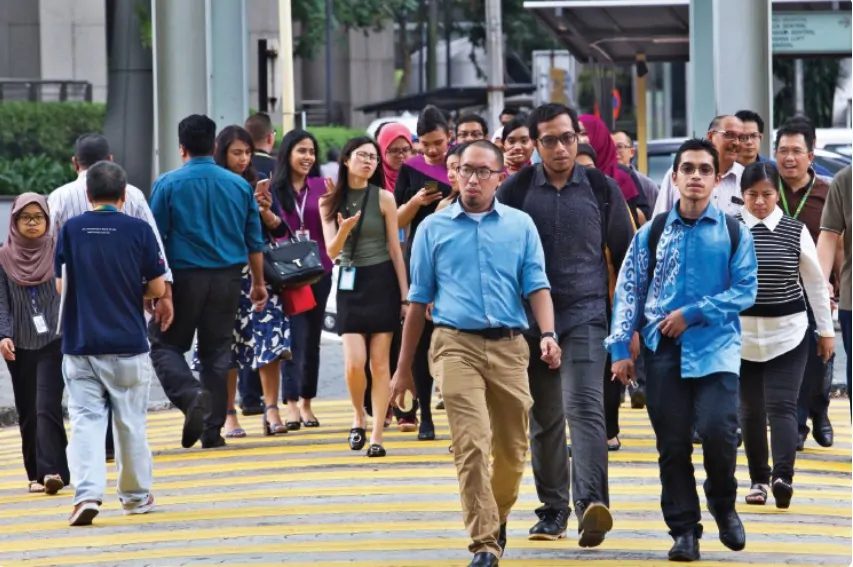
Let’s be real, being “broke” after graduation isn’t just about unemployment. It’s about the quiet, frustrating gap between expectation and reality.
1. Underemployment is quietly rising
You studied finance, but ended up in admin. You graduated in IT, but found yourself in sales. It’s the reality for many, trained in one field, working in another. Not out of choice, but out of necessity.
2. Salary vs. survival doesn’t align
Even with a job:
- Rent eats your income
- Transport drains your savings
- Food prices keep climbing
And your salary? Still stuck in 2018.
3. The experience trap
Entry-level jobs that require experience. Internships that don’t convert. Applications that disappear into silence.
4. Structural shifts are happening, fast
Layoffs aren’t random. They reflect bigger changes:
- Automation replacing repetitive roles
- Global uncertainties are forcing companies to cut costs
- Industries evolving faster than degrees
This isn’t just a “bad year.” It’s a transition period, and graduates are caught in it.
The Emotional Cost No One Talks About

Behind every “still job hunting” post is something heavier:
- Self-doubt after repeated rejections
- Comparing your journey to curated success stories online
- Feeling like your degree is losing value in real time
And slowly, a dangerous question forms: “Did I do everything right… and still lose?”
The Irony: Jobs Exist, But Not For Everyone
Here’s where it gets even more confusing. Malaysia still records over 100,000 job vacancies, especially in services and construction. The unemployment rate even appears relatively stable on paper.
So the issue is not the job shortage. It’s a mismatch. Graduates are trained for one world. The job market is hiring for another.
A Generation Quietly Rewriting the Rules
So what do graduates do when the system doesn’t work?
They adapt.
- Taking freelance work before full-time jobs
- Building side hustles while job hunting
- Learning skills outside their degrees
- Redefining success beyond a 9-to-5
Not because it’s trendy, but because it’s necessary.
Conclusion: Maybe Being “Broke” Isn’t the End of the Story

Here’s the truth: no statistic can fully capture. Yes, graduates are struggling. Yes, the system feels outdated, and yes, the job market is shifting faster than expected. But this generation isn’t passive. They are more adaptable, resourceful and willing to question old definitions of success.
Being “broke” after graduation today doesn’t always mean failure. Sometimes, it means standing at the edge of a system that’s still evolving. And maybe… just maybe, this uncomfortable phase is where a new version of success is being built.
And until that gap is addressed, Malaysian graduates won’t just be “broke.” They’ll be stuck in a system that hasn’t caught up with them yet.