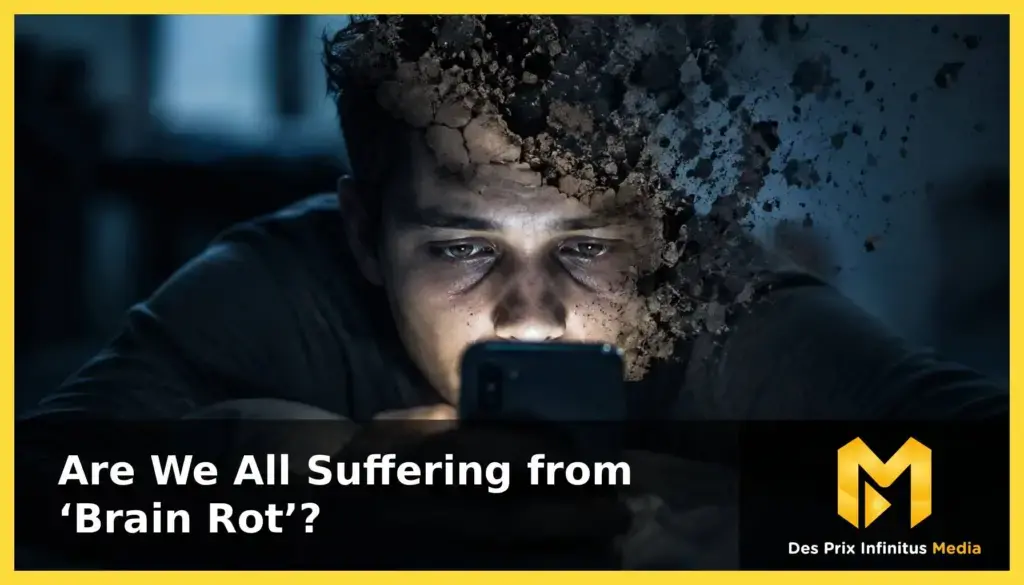

Mental illness is a topic of intense discussion in today’s society. While millions struggle with conditions like psychosis, Bipolar disorder, and Borderline Personality Disorder (BPD), some people question whether these diagnoses are real. This ongoing debate leaves many people wondering: are mental health conditions legitimate medical issues, or just social constructs?
Understanding Mental Illness
Mental illness encompasses a broad spectrum of psychological conditions that significantly impact thoughts, emotions, and behaviour. These conditions disrupt daily functioning, affecting work performance, relationships, and quality of life.

Common Types of Mental Disorders:
- Schizophrenia: A complex disorder characterised by hallucinations, delusions, and disorganised thinking. People with schizophrenia often experience altered perceptions of reality.
- Bipolar Disorder: Marked by extreme mood swings between manic episodes and depressive states. During mania, individuals might display heightened energy and impulsivity, while depressive episodes bring profound sadness and lethargy.
- Borderline Personality Disorder (BPD): Characterised by unstable relationships, self-image, and emotions. People with BPD struggle with fear of abandonment and may engage in self-destructive behaviours.
- Schizoaffective Disorder: Combines symptoms of schizophrenia with mood disorder features, creating unique challenges in diagnosis and treatment.
- Major Depressive Disorder: Beyond temporary sadness, this condition involves persistent feelings of hopelessness, loss of interest in activities, and physical symptoms like changes in sleep patterns.
Mental illness affects people across all demographics, with statistics showing 1 in 3 Malaysians experiencing mental health issues. The impact extends beyond individual suffering, creating ripple effects through families, workplaces, and communities. Understanding these conditions forms the foundation for effective treatment and support.
The Controversy: Hoax or Coax?
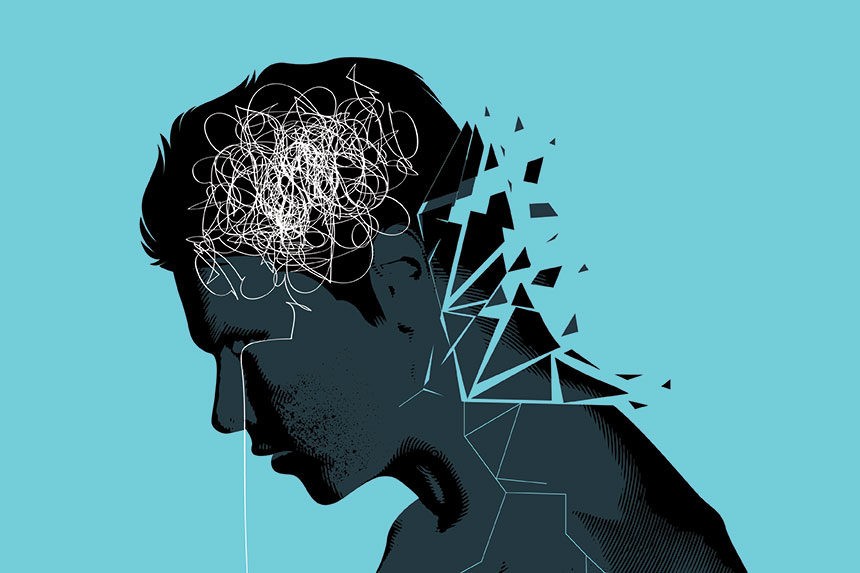
The debate surrounding mental illness validity strikes at the heart of healthcare discourse. Critics argue mental health conditions are social constructs, pointing to varying diagnostic criteria across cultures and periods. This perspective gains traction in regions like Malaysia, where traditional beliefs often attribute psychological symptoms to spiritual causes rather than medical conditions.
Common Mental Health Myths:
- Mental illness stems from personal weakness
- People with mental disorders are violent
- Mental health conditions are untreatable
- Mental illness affects only certain demographics
These misconceptions perpetuate harmful stereotypes and create barriers to treatment. Research demonstrates that sociocultural influences shape both the expression and interpretation of mental health symptoms. A study in Malaysian communities revealed that cultural beliefs impact help-seeking behaviours, with many individuals preferring traditional healers over mental health professionals.
The scientific evidence supports mental illness as a legitimate medical condition. Brain imaging studies show structural differences in individuals with various mental health disorders. Genetic research identifies hereditary components in conditions like schizophrenia and bipolar disorder. These findings challenge the “hoax” narrative and underscore the biological basis of mental illness.
The stigma surrounding mental health creates a dangerous cycle where individuals question their experiences, delay seeking treatment, and face increased risks of complications. Understanding mental illness through both medical and cultural lenses helps bridge the gap between different perspectives while ensuring appropriate care reaches those in need.
The Impact of Mental Health Conditions

Globally, 970 million people are affected by mental health disorders, with anxiety and depression being the most common. Key statistics include:
- 1 in 8 people live with mental health conditions.
- 5% of adults suffer from depression.
- 4.4% face anxiety disorders.
The effects of mental illness are profound, leading to disrupted sleep, strained relationships, and decreased work performance. Research indicates that those with anxiety disorders are significantly more likely to seek medical care.
Treatment Options for Mental Illness

Mental health treatment encompasses various evidence-based approaches tailored to individual needs. Key modalities include:
- Cognitive Behavioural Therapy (CBT): Modifies negative thought patterns.
- Dialectical Behaviour Therapy (DBT): Combines mindfulness with emotional regulation.
- Medication: Includes antidepressants, mood stabilisers, and antipsychotics.
A personalised combination of these treatments often yields the best outcomes, emphasising open communication with healthcare providers.
Addressing Stigma

The stigma around mental illness creates barriers to seeking help, leading to discrimination and social isolation. Research shows that 90% of those with mental health issues face stigma.
Effective initiatives to combat this include:
- Educational programmes.
- Accurate media representation.
- Personal storytelling from those with lived experiences.
Using respectful language, like “person with schizophrenia,” promotes dignity and reduces stigma. Companies implementing mental health awareness programmes report improved employee engagement and reduced discrimination.
Mental illness is a complex issue influenced by biological, psychological, and social factors. Significant scientific evidence supporting its legitimacy includes decades of research, brain imaging studies, and documented cases. However, misconceptions still exist, creating obstacles to understanding and treatment.
The intricate nature of the human brain makes it difficult to diagnose and treat mental health conditions. Each person’s experience with mental illness is unique, shaped by their genetic makeup, life experiences, and environmental factors. This complexity requires a thoughtful approach to treatment and support.
Your struggles are valid, and seeking help shows strength rather than weakness. Mental health care is healthcare – a basic right that deserves recognition, respect, and proper medical attention.
Need immediate support? Visit the Malaysian Mental Health Association or call Talian Heal to 15555.