

Just as you’re drifting off to sleep, your body suddenly twitches, your legs kick, or you feel as if you’re falling from a height. In an instant, you’re awake again, heart racing and wondering what just happened. This common phenomenon is known as a hypnic jerk, and while it can be startling, it is usually harmless.
What Are Hypnic Jerks?

Hypnic jerks, also known as sleep starts, are sudden, involuntary muscle contractions that occur as a person transitions from wakefulness to sleep. They typically happen during the first stage of sleep and can affect different parts of the body, including the arms, legs, or entire torso.
Many people describe the sensation as feeling like they are tripping, falling, or missing a step. Some may even experience a brief visual dream or flash of imagery at the same moment.
Why Do They Happen?

Scientists do not fully understand the exact cause of hypnic jerks, but several factors are believed to increase their likelihood:
- Stress and Anxiety
When the mind remains highly active at bedtime, the nervous system may struggle to relax, making sudden muscle contractions more likely.
- Lack of Sleep
Sleep deprivation can disrupt the body’s natural sleep cycle, increasing the chances of experiencing hypnic jerks.
- Excessive Caffeine
Consuming coffee, energy drinks, or other stimulants late in the day can keep the brain alert and interfere with the body’s ability to transition smoothly into sleep.
- Intense Physical Activity
Strenuous exercise, particularly in the evening, may leave muscles and nerves more active as bedtime approaches.
Are Hypnic Jerks Dangerous?
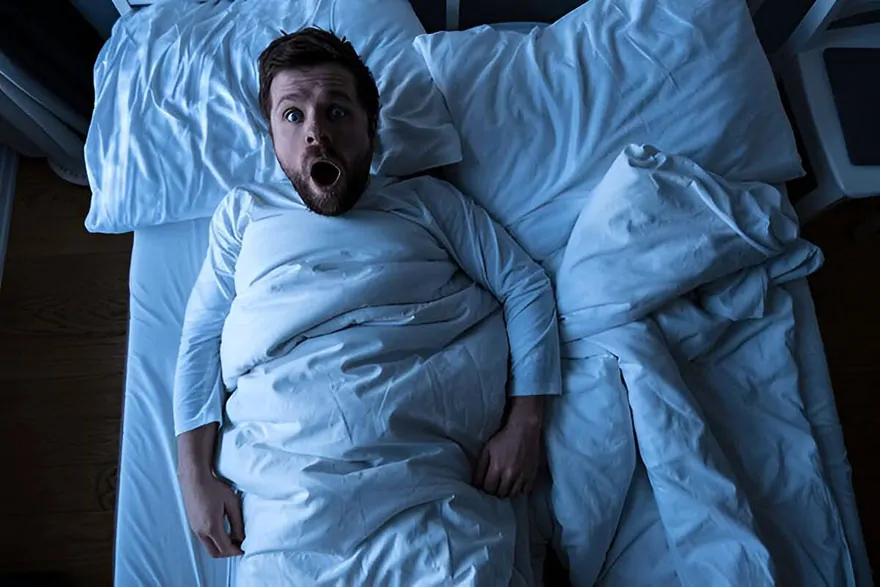
For most people, hypnic jerks are completely normal and do not indicate a medical problem. Studies suggest that up to 70% of adults experience them at some point in their lives.
However, if the jerks become frequent, severe, or are accompanied by other symptoms such as daytime sleepiness, unusual movements during sleep, or breathing difficulties, it may be worth consulting a healthcare professional.
How to Reduce Hypnic Jerks

Although they cannot always be prevented, several lifestyle changes may help reduce their frequency:
- Maintain a consistent sleep schedule.
- Reduce caffeine intake, especially in the afternoon and evening.
- Practice relaxation techniques before bed.
- Avoid intense exercise close to bedtime.
- Create a calm sleep environment free from excessive noise and distractions.
The Bottom Line

Hypnic jerks may feel alarming, but they are generally a normal part of the body’s transition into sleep. While the sensation of falling or suddenly waking up can be unsettling, it is usually nothing to worry about. By improving sleep habits and managing stress levels, many people can reduce how often these nighttime surprises occur.
The next time you suddenly jerk awake while falling asleep, you can take comfort in knowing that you’re far from alone; it’s simply one of the many fascinating quirks of the human body.