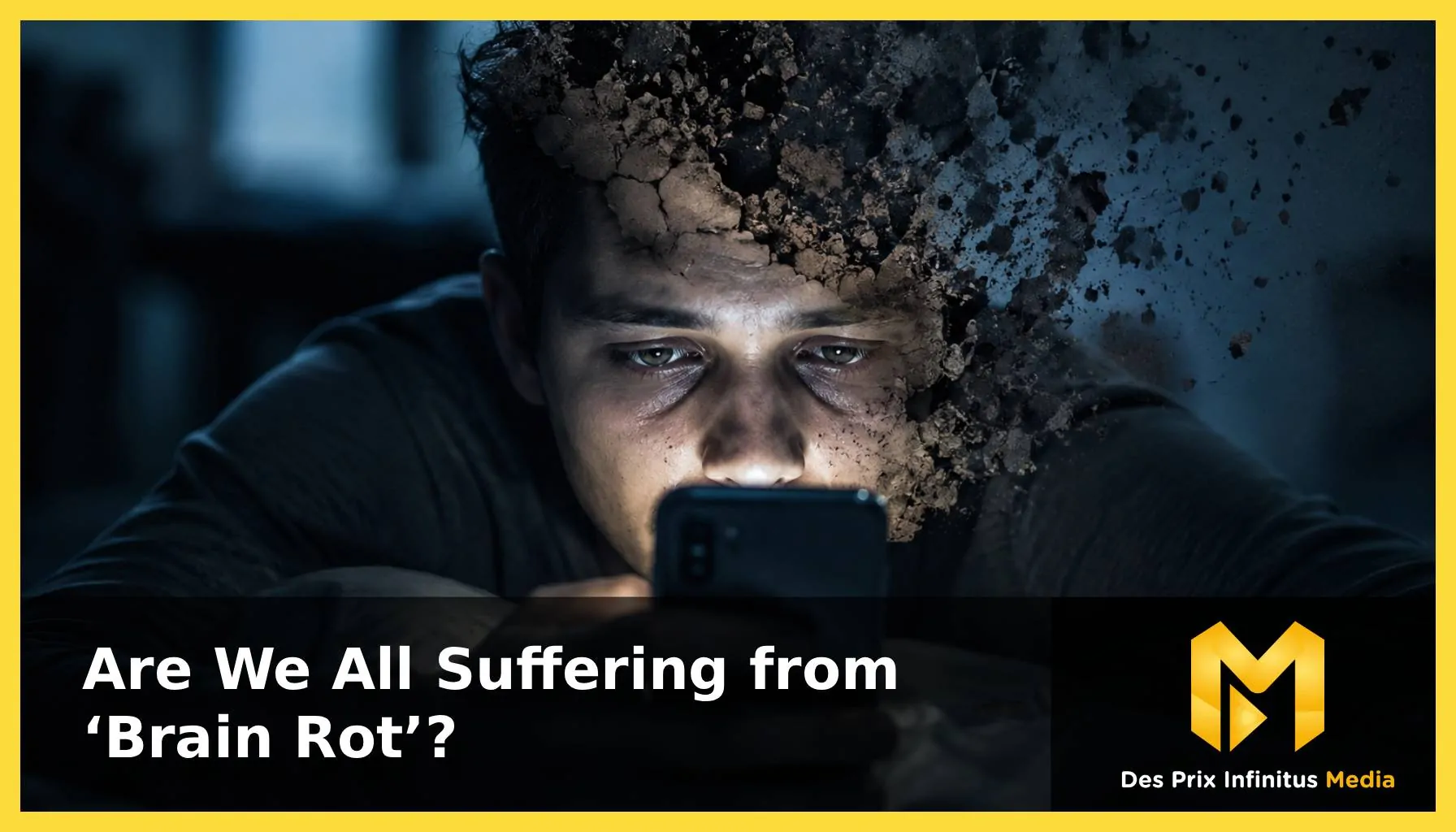
Clarity is the new luxury in a world drowning in content. Somewhere between endless scrolling, autoplay videos, and 15-second dopamine hits, a quiet question has started echoing across conversations: are we actually losing our ability to think deeply?
The term “brain rot” may sound dramatic, but it captures a very real modern phenomenon, the gradual erosion of attention span, focus, and cognitive sharpness caused by constant digital consumption.
Attention is shrinking and fast.
What once required patience, reading a full article, watching a long-form video, or even holding a deep conversation, now feels like a chore to many. Instead, we’re conditioned to crave quick, bite-sized content that delivers instant gratification.
Platforms like TikTok, Instagram, and YouTube have mastered this formula. Infinite scroll, algorithm-driven feeds, and rapid content loops keep us hooked, but at what cost?
Over time, this constant stimulation trains the brain to expect novelty every few seconds. The result? Reduced patience, fragmented thinking, and difficulty concentrating on anything that doesn’t immediately entertain.
Stimulation becomes the new normal when silence starts to feel uncomfortable
Each notification, like, and video triggers small bursts of dopamine, the brain’s “feel-good” chemical. But when this happens repeatedly throughout the day, the brain begins to rely on these quick hits for satisfaction.
The downside is subtle but powerful. Activities that once felt fulfilling, such as reading, exercising, or even spending time offline, can start to feel dull in comparison. This imbalance makes it harder to stay engaged in meaningful, long-term tasks.
We are consuming more, but understanding less.
There’s a difference between being informed and being overloaded. Today, information is everywhere, but depth is rare.
We skim headlines instead of reading articles. We watch summaries instead of full explanations. We multitask through conversations. And slowly, comprehension takes a backseat to consumption.
This isn’t just about productivity; it’s about how we process reality. Shallow engagement leads to shallow understanding.
The illusion of productivity is everywhere
Busyness often disguises a lack of real progress.
Checking emails, refreshing feeds, and watching “educational” clips, these activities feel productive, but often don’t lead to meaningful output. They create the illusion of doing something valuable while quietly draining mental energy.
It’s not that technology is the enemy; it’s how we use it. When consumption outweighs creation, mental fatigue starts to build without us even noticing. Not in a literal, medical sense, but the effects are real enough to take seriously.
What we’re experiencing is a shift in cognitive habits. Our brains are adapting to a faster, louder, more fragmented world. And while adaptation isn’t inherently bad, it comes with trade-offs.
Reclaiming focus in a distracted world.
Awareness is the first step toward mental clarity.
The good news? This isn’t irreversible. Small changes can make a significant difference:
- Set boundaries with screen time, especially before bed
- Replace passive scrolling with active engagement (reading, writing, thinking)
- Allow boredom, it’s where creativity often begins
- Practice single-tasking instead of multitasking
- Be intentional about what you consume
Final Thought
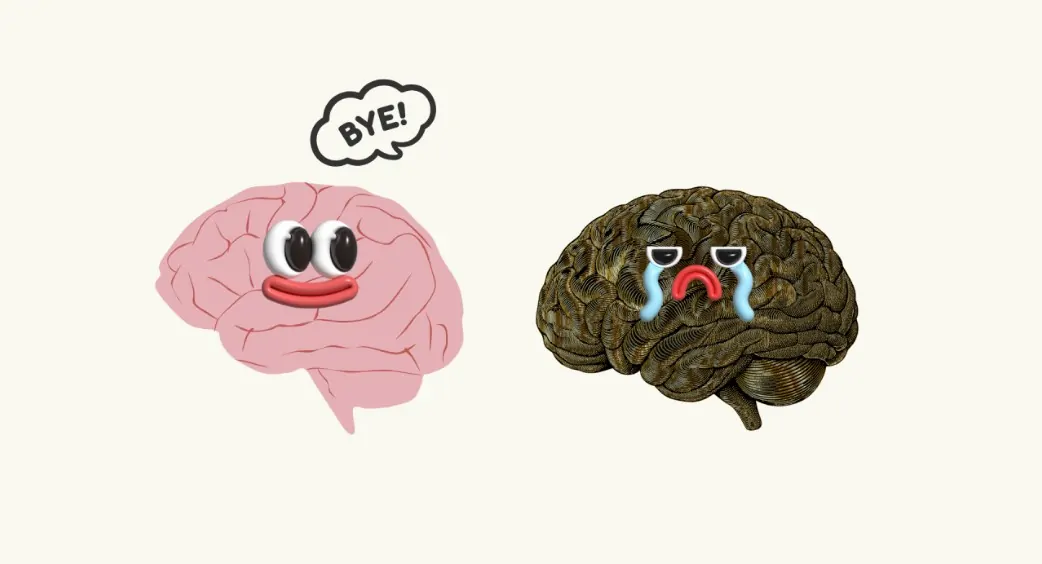
Control over your attention is control over your life.
“Brain rot” isn’t about technology ruining us; it’s about how easily we surrender our focus without realising it. In a world designed to distract, choosing to think deeply has become a quiet act of rebellion. And maybe that’s exactly what we need right now.