

A CEO can sit in the corner office, make the big decisions and still be strangely invisible. And that is a problem.
Employees, customers, investors and even future talent increasingly want to see the people behind the organisation. Visibility has become part of leadership credibility. A 2026 analysis highlighted that experience and results alone may not be enough for senior leaders; internal recognition, external reputation and digital trust increasingly shape how leadership is perceived.
The CEO Who Walked Around Microsoft
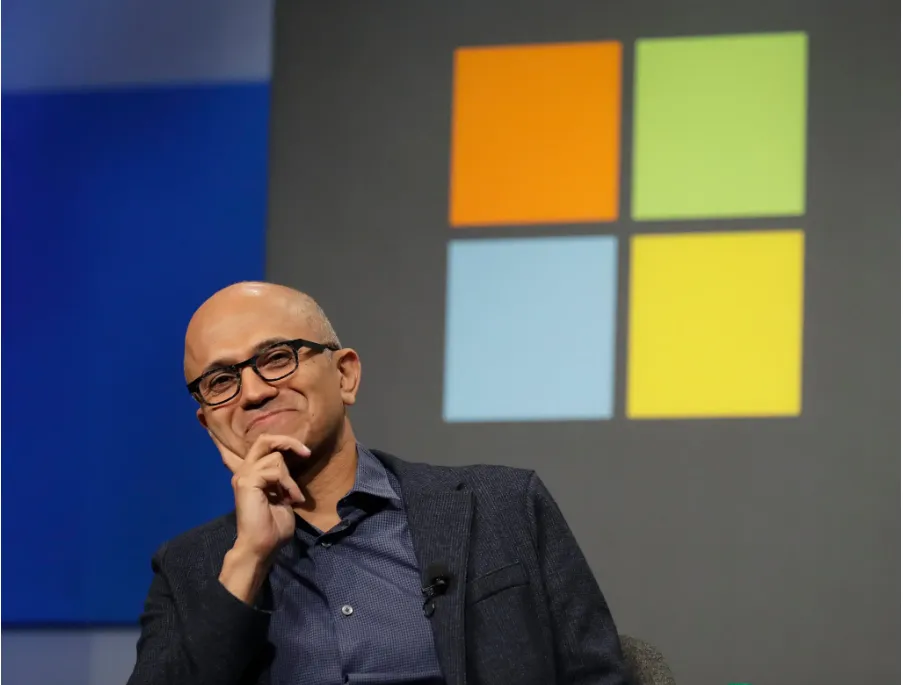
Consider Satya Nadella.
When Nadella became CEO of Microsoft in 2014, the company was known for internal competition and organisational silos. Rather than leading entirely from behind a desk, Nadella travelled to offices and customer sites, listening and gathering insights. His approach helped support a cultural shift towards openness, learning and collaboration.
The lesson is surprisingly simple: people are more likely to believe a leader they can actually see, hear and interact with.
Today, Microsoft’s leadership communication continues to emphasise two-way dialogue. Nadella regularly communicates with employees through internal platforms, while town halls and Q&A sessions give employees opportunities to ask questions directly.
Visibility, in other words, is not about being everywhere. It is about being present where presence matters.
Visibility Builds Trust

Think about two CEOs.
One appears only when the company wins an award, launches a product or announces record results. The other occasionally joins employee conversations, answers difficult questions, attends important company events and openly discusses challenges.
Which one feels more human: The second.
Research into CEO communication has found that responsive communication is associated with stronger employee–organisation relationships. That matters because leadership trust is rarely built through one grand speech. It is built through repeated, observable behaviour.
Visibility Is Not Self-Promotion

This is where many executives get it wrong. Leadership visibility does not mean posting every achievement, appearing in every photograph or turning LinkedIn into a personal billboard. It means making the organisation’s purpose, people and progress visible through the leader.
A visible leader gives employees someone to look towards, customers someone to understand and the market someone to remember. And in a crowded business world, being remembered for the right reasons can be a powerful competitive advantage.
The C-Suite Advantage

The strongest C-suite leaders understand that their title gives them a platform, but their behaviour determines what that platform means.
They show up. They listen. They communicate. They give credit. They explain the why, not just the what.
Because leadership that stays behind closed doors can make decisions. Leadership that steps into the room can move people. And ultimately, that is the real C-suite advantage: visibility that turns authority into influence.
A leader can have a brilliant strategy, but if nobody knows the person behind it, their influence may never travel far. Leadership visibility builds trust, strengthens credibility, and gives a vision a voice. The Leadership Excellence Award (LEA) recognises leaders who understand that being visible is not about seeking attention—it is about creating meaningful influence. Nominate a leader who deserves to be seen.