Ask a room full of children what they want to be when they grow up, and you’ll hear doctor, entrepreneur, athlete, maybe even influencer. Ask a room full of young professionals if they want to become a manager, and you’ll likely hear something surprising:
“Not really.”
For decades, leadership was marketed as the ultimate career milestone. A bigger office. A bigger paycheck. A bigger title.
Today, it often looks like a bigger headache.
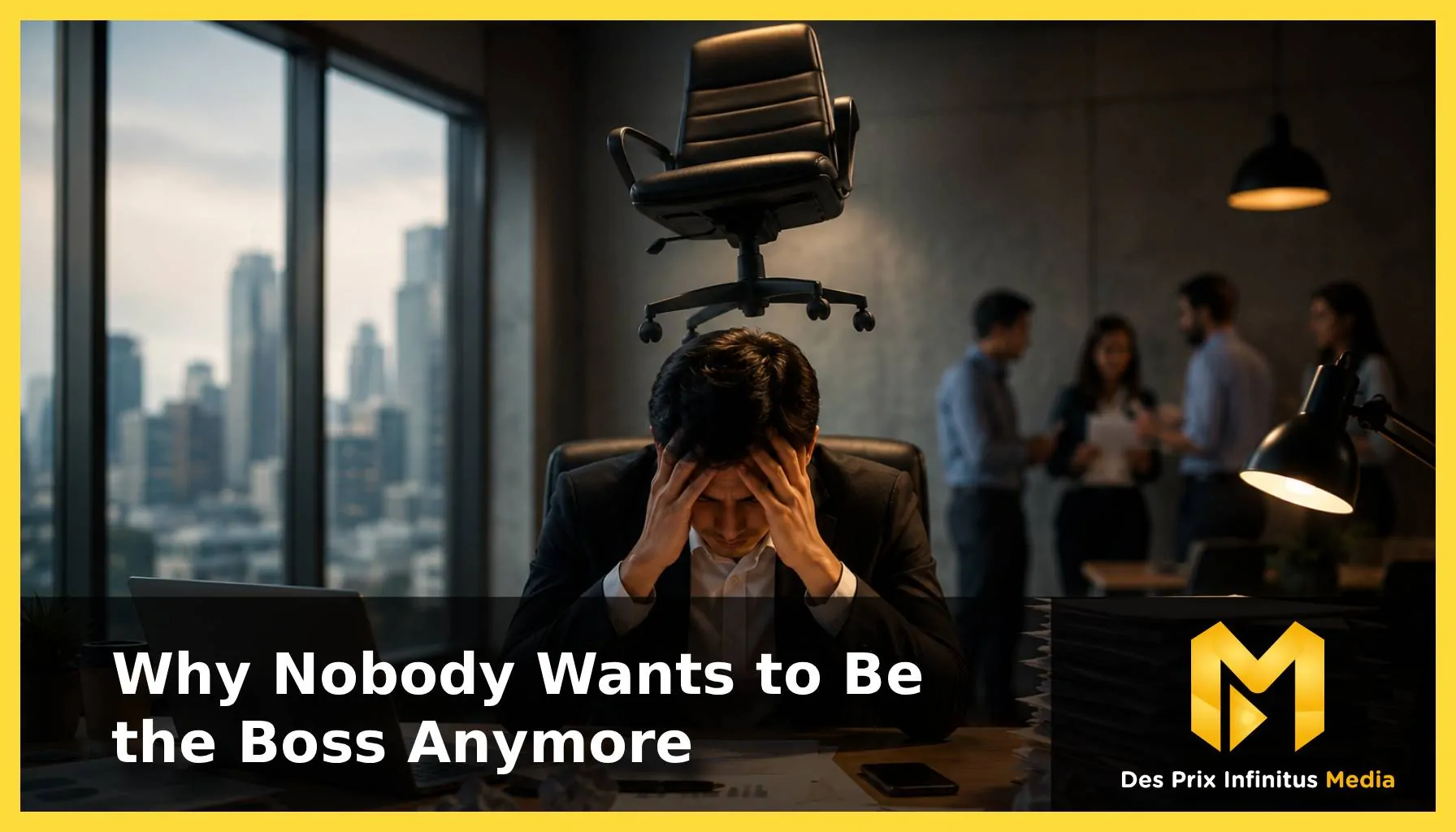
It’s no surprise that recent global research found only a small percentage of Gen Z say becoming a leader is their top career goal today. Yet most still hope to lead someday, they’re simply unwilling to sacrifice their well-being to get there. Stress, burnout, and poor work-life balance are now among the biggest reasons leadership feels less attractive than it once did.
The Boss Isn’t the Dream Anymore
Somewhere along the way, leadership became associated with being the first to arrive, the last to leave, constantly available, and responsible for everyone’s problems.
Who would willingly sign up for that?
For many young professionals, becoming “the boss” no longer represents freedom. It represents overflowing inboxes, endless meetings, difficult conversations, and the pressure to always have the answers.
That’s not a leadership problem.
That’s a branding problem.
Great Leaders Don’t Look Busy. They Make Others Better.
The best leaders today aren’t measured by how many hours they work or how many people report to them.
They’re measured by what happens when they leave the room.
Did they build trust?
Did they create opportunities?
Did people feel safe enough to speak honestly?
Leadership is shifting from being the loudest voice in the room to becoming the person who helps everyone else find theirs.
Maybe Leadership Doesn’t Need New Leaders. It Needs a New Reputation.

If organisations want the next generation to step up, they can’t just offer bigger titles or better salaries.
They need to redefine what leadership actually means. Leadership should be seen as influence, not authority. As service, not status. As building people, not controlling them. Perhaps the real challenge isn’t convincing Gen Z to become leaders. It’s proving that leadership is still worth following.
Because when leadership is built on trust instead of ego, purpose instead of power, and growth instead of burnout, people won’t avoid it. They’ll aspire to it.
The future of leadership isn’t defined by titles; it’s defined by trust, purpose, and the ability to bring out the best in others. If you know a leader who is redefining what it means to lead in today’s world, it’s time to celebrate their impact. Leadership Excellence Awards (LEA) 2026 nominations are now open. Nominate an outstanding leader who is making a meaningful difference and inspiring positive change in their organisation, industry, and community.