

9.58 seconds.
That is all it took for Usain Bolt to turn a night in Berlin into sporting history.
On 16 August 2009, the Jamaican sprint star exploded down the track at the World Championships, crossing the finish line in 9.58 seconds to break his own 100m world record. The record still stands today. Four days later, he returned to the track and set another world record in the 200m, clocking 19.19 seconds.
For most people, that is where the story ends: the fastest man in the world, celebrating another incredible victory.
He Had the Confidence to Challenge the Obvious
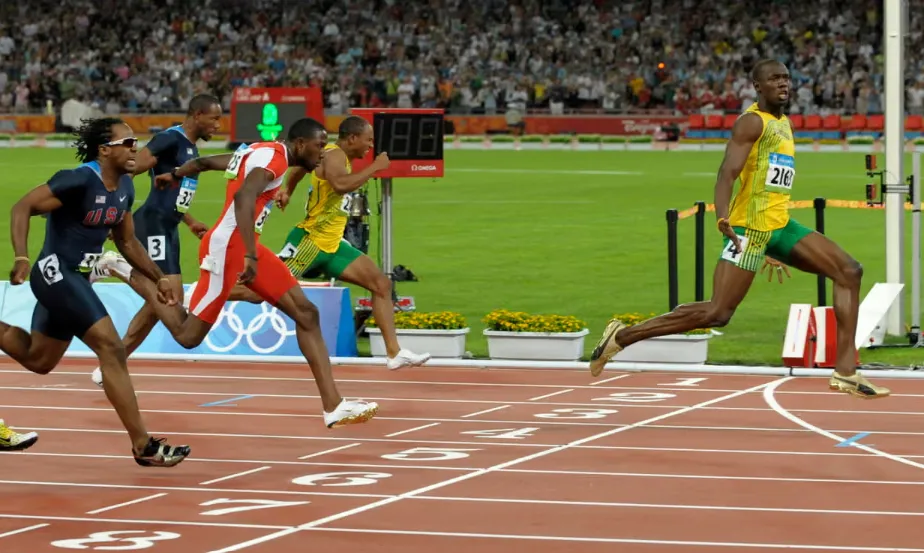
Before becoming the world’s most famous sprinter, Bolt was widely regarded as a 200m specialist. Even his coach, Glen Mills, initially viewed him primarily as a 200m runner. Bolt, however, believed he had the speed to dominate the 100m too. He pushed for the opportunity to try it, and in 2008, he proved the point by setting a world record of 9.72 seconds in New York.
That is a surprisingly important lesson. Sometimes, the person who sees your potential is you.
Confidence does not mean believing you are automatically the best. It means having enough belief in your own ability to ask for an opportunity before everyone else sees what you can become. Bolt did exactly that. And once he got the opportunity, he made the most of it.
At the Beijing Olympics later that year, he won the 100m in a world-record 9.69 seconds, followed by another world record in the 200m. One year later, he went even faster.
The Fastest Man Still Had Something to Improve
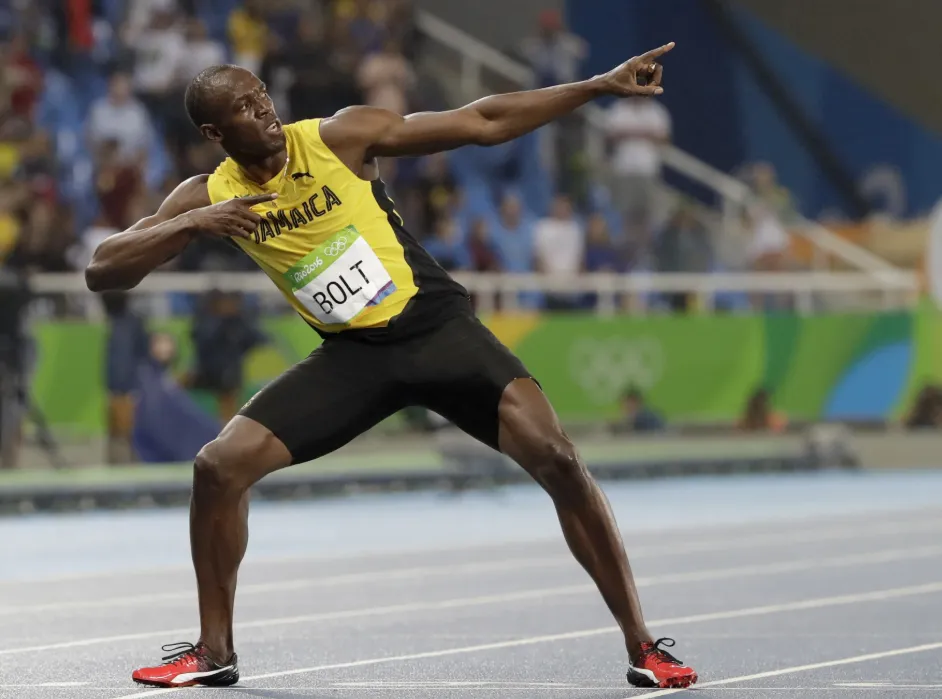
Here is where Bolt’s story becomes more inspiring than simply a tale of a talented athlete becoming a champion. After running 9.69 seconds in Beijing, he could have been forgiven for thinking he had reached the pinnacle. Instead, he returned to training with a different question: How can I get better?
In Berlin, one of the areas Bolt had been working on was his start. Four days after setting the 200m world record, he again demonstrated the value of that improvement. He credited the progress to the work he had put in and described his record-breaking performances as the result of hard work and dedication.
Think about that for a moment.
The man who had already rewritten the record books was still looking for ways to improve.
That is the mindset that turns talent into greatness. Reaching the top is one achievement; having the discipline to keep learning once you get there is another. Bolt’s legendary 9.58-second sprint was not simply the result of natural ability. Behind those few seconds were years of preparation, coaching, discipline, confidence and commitment to improvement.
And that lesson extends far beyond the track. Great leaders do not stop growing when they reach the top. They continue to listen, refine their weaknesses, challenge their own limits and ask themselves what they can do better.
Because the real race is not against everyone else. It is against the version of yourself you were yesterday.
You Can Be the Star Without Running Alone
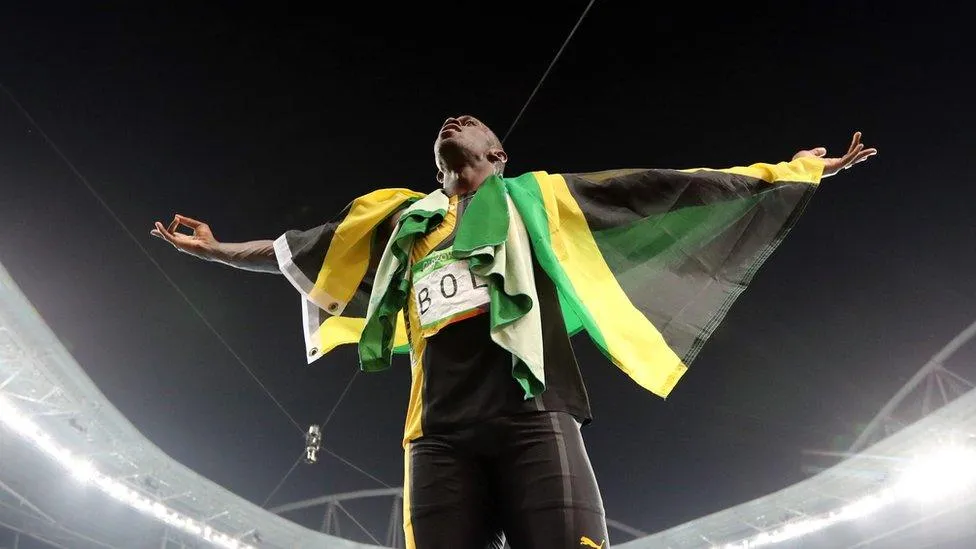
Bolt may have been the face of Jamaican sprinting, but he did not build his career by himself. His relationship with coach Glen Mills was an important part of his development, while his relay career showed another side of his sporting identity. In the 2009 World Championships 4x100m final, Bolt ran alongside Michael Frater, Asafa Powell and Steve Mullings, with Jamaica winning in 37.31 seconds.
The lesson is simple: being the star does not mean making everything about yourself. Great leaders know when to take centre stage, and when to trust the people around them.
Bolt also understood the power of personality. He celebrated, entertained crowds and brought an unmistakable sense of joy to competition. Yet when the starting gun fired in Berlin, World Athletics described him as intensely focused and driven. That balance is worth remembering. You can be serious about your goals without taking yourself too seriously. And perhaps that is what makes Bolt’s story so compelling.
He did not simply run faster than everyone else. He challenged expectations, backed himself, worked on his weaknesses, trusted his team and performed when the biggest stage demanded it.
The result?
9.58 seconds and a record that remains untouched.
But the bigger lesson was never really about speed. It was about having the courage to see a bigger version of yourself before everyone else does, and then putting in the work to prove it. Because sometimes, winning begins with a simple thought: “I think I can go faster.”