

The decision between a high-floor and low-floor condominium unit has become one of the most discussed topics among modern homebuyers and property investors. While both options offer unique advantages, the “better” choice often depends on lifestyle preferences, financial priorities, long-term plans, and even psychological comfort.
In today’s urban property landscape, floor selection is no longer just about elevation. It influences everything from pricing and privacy to convenience, resale value, natural lighting, and daily living experiences. As condominium living continues to dominate city development across Malaysia and beyond, understanding the realities behind this debate becomes increasingly important.
The Appeal of High-Floor Living
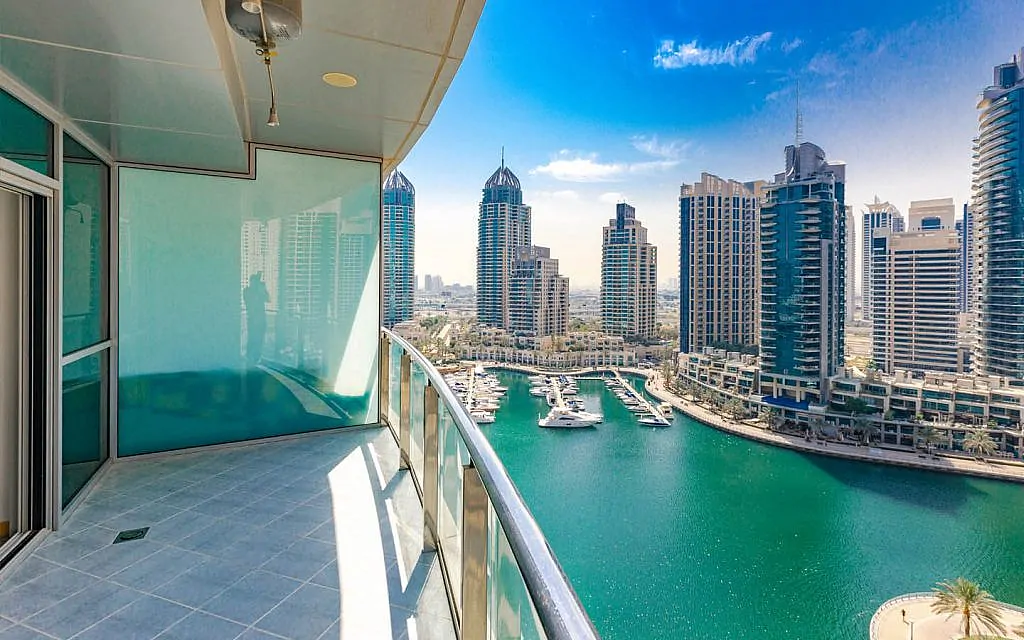
High-floor units have long been associated with luxury living. The higher elevation naturally creates a stronger sense of privacy, while panoramic city views add a premium feel to everyday life.
In busy cities like Kuala Lumpur, being further away from traffic and street activity also means a quieter environment. Better airflow and natural lighting often make these homes feel brighter and more comfortable.
From an investment standpoint, high-floor units are commonly viewed as premium assets. Buyers and tenants are often willing to pay more for unobstructed views and exclusivity.
But high-rise living comes with trade-offs too. Elevator dependency becomes part of daily life, especially during peak hours or maintenance periods. For elderly residents or those uncomfortable with heights, upper floors may not always feel ideal.
Why Low-Floor Units Still Remain Popular
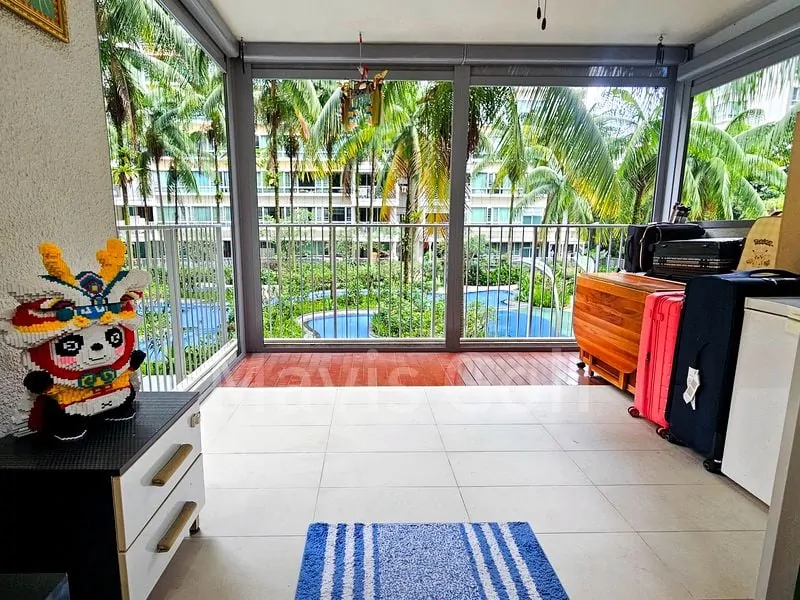
While high floors get most of the glamour, low-floor units continue to remain highly practical and popular.
The biggest advantage is convenience. Getting in and out of the building is faster and easier, especially during emergencies or lift breakdowns. Families with children and elderly residents often prefer lower floors because of this.
Another underrated benefit is accessibility to facilities. Whether it’s the gym, swimming pool, garden, or parking area, everything simply feels closer.
Low-floor units are also generally more affordable, allowing buyers to enjoy larger spaces without paying a premium for elevation.
Of course, staying closer to the ground may also mean dealing with more street noise, reduced privacy, or partially blocked views, depending on the development.
Which Floor Performs Better as an Investment?

High-floor units usually enjoy stronger market perception. Scenic views and exclusivity often help owners command higher rental and resale prices.
However, floor level alone does not guarantee a better investment. Factors such as location, developer reputation, layout efficiency, infrastructure, and maintenance quality matter just as much.
Interestingly, some investors prefer low-floor units because the lower purchase price can sometimes produce stronger rental yield percentages.
The Truth? There’s No “Perfect” Floor

The best floor is not determined by trends, it’s determined by lifestyle. Some people value skyline views and exclusivity. Others care more about convenience and practicality in daily living.
At the end of the day, whether high above the city or closer to the ground, the right condo unit is simply the one that fits the way you want to live.
Choosing between a high floor and a low floor is more than a lifestyle preference; it reflects evolving buyer priorities surrounding privacy, accessibility, views, and long-term value. As condominium living continues to shape urban Malaysia, developers who thoughtfully design for varying homeowner needs stand out in a competitive market. The ASEAN Property Developers Awards (APDA) recognises developments that successfully balance functionality, comfort, and liveability in modern high-rise communities. Nominate Now!