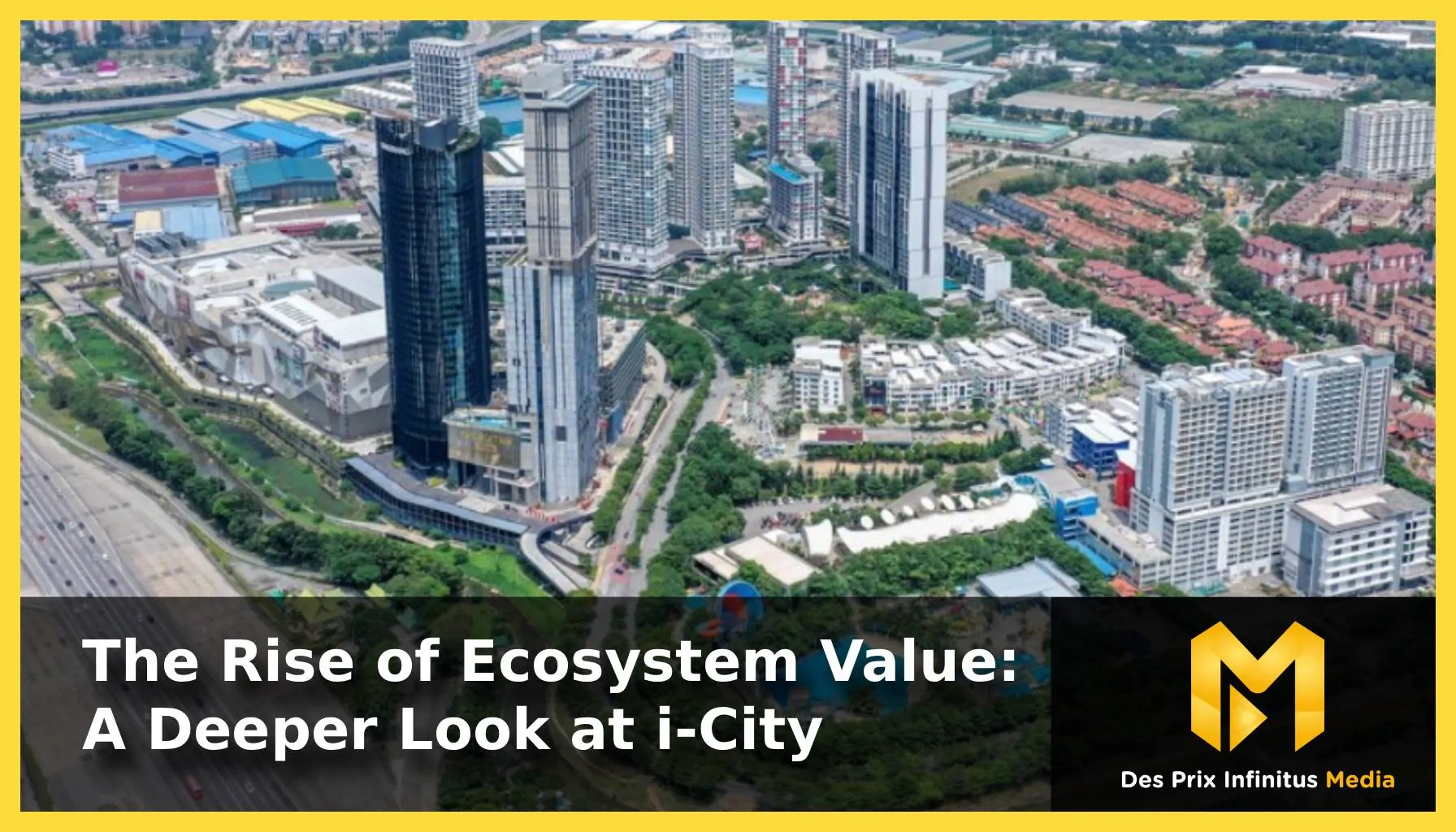
The evolution of urban development is no longer defined by individual landmarks or standalone projects; it is increasingly shaped by how well different components work together. In this context, i-City in Shah Alam stands as a compelling case study of how ecosystems are redefining value creation in real estate, positioning integration, not isolation, as the true measure of success.
At a foundational level, the concept of an “ecosystem” in property development refers to a deliberately interconnected network of residential, commercial, retail, hospitality, and digital elements. At i-City, this integration is not incidental; it is strategic. The development brings together high-rise residences, Grade A office spaces, shopping destinations, hotels, and lifestyle attractions within a single, cohesive master plan. This creates a self-reinforcing environment where each component contributes to the vitality of the others.
From Property Ownership to Value Networks
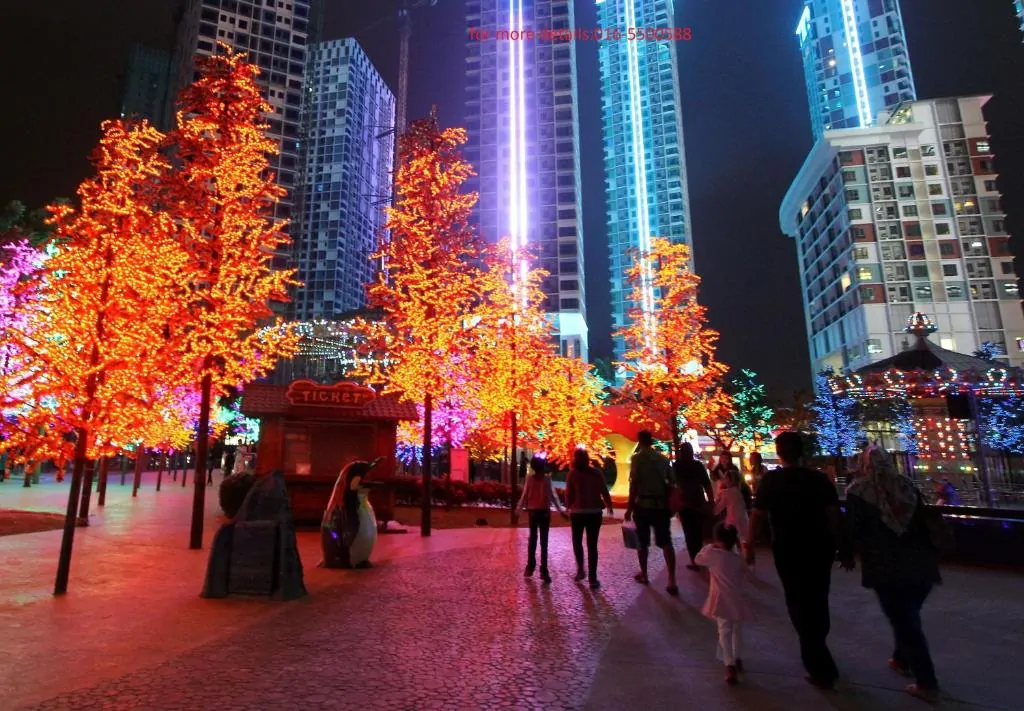
Traditionally, property value has been assessed based on location, build quality, and market demand. However, i-City reflects a paradigm shift toward value networks. Here, the worth of a property is amplified by its proximity to amenities, accessibility to workplaces, and inclusion within a vibrant community ecosystem. A residential unit, for instance, becomes more than just a home; it transforms into a gateway to a fully integrated lifestyle, supported by retail convenience, employment opportunities, and entertainment options within walking distance.
This network effect is particularly significant in driving long-term sustainability. Retail outlets benefit from a steady flow of residents and office workers, while businesses gain from a ready talent pool living nearby. In turn, this synergy reduces dependency on external traffic and fosters an internally sustained economy, an increasingly important factor in urban resilience.
Digital Infrastructure as a Core Enabler
A defining feature of i-City’s ecosystem is its strong digital backbone. As a designated MSC-status cybercentre, the development incorporates high-speed connectivity and smart infrastructure to support technology-driven enterprises and digitally connected residents. This positions i-City not only as a physical destination but also as a hub for innovation and knowledge-based industries.
Smart technologies further enhance operational efficiency and user experience. From integrated security systems to data-enabled facility management, digitalisation supports seamless interactions within the ecosystem. For businesses, this translates into improved productivity; for residents, it offers convenience and enhanced quality of life.
Experience-Led Development

Another critical dimension of i-City’s ecosystem is its emphasis on experiential value. Modern urban populations are increasingly drawn to environments that offer more than functionality; they seek engagement, lifestyle, and a sense of belonging. Recognising this, i-City integrates leisure attractions, entertainment hubs, and public spaces into its framework.
These elements play a strategic role in activating the development beyond traditional working hours, creating a 24/7 environment that remains vibrant and relevant. The presence of attractions and lifestyle offerings not only enhances liveability but also strengthens the development’s identity as a destination, attracting visitors and boosting economic activity.
Connectivity and Accessibility
An ecosystem is only as strong as its connectivity. i-City’s location within Shah Alam, coupled with access to major highways and transportation links, ensures that it remains well-connected to key parts of the Klang Valley. This accessibility enhances its appeal to both businesses and residents, enabling seamless movement in and out of the development while maintaining the integrity of its internal ecosystem.
A Strategic Framework for Future Urban Growth
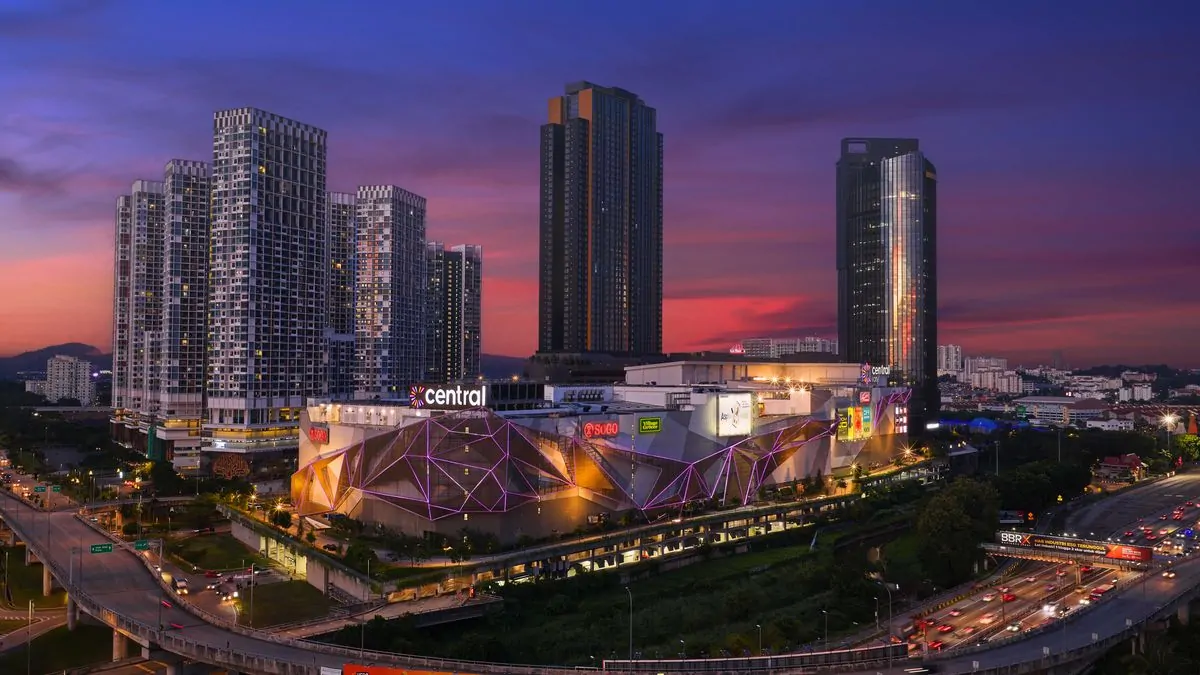
What sets i-City apart is its ability to anticipate and respond to evolving urban needs. By prioritising integration, digital readiness, and experiential living, it reflects a forward-thinking approach that aligns with global trends in smart city development. More importantly, it demonstrates that the future of real estate lies not in isolated projects, but in holistic environments that deliver sustained value through interconnectedness.
In essence, the idea that “ecosystem is the new currency” encapsulates a fundamental shift in perspective. At i-City, this shift is not theoretical; it is embedded in every aspect of its design and operation. As urbanisation continues to accelerate, developments that embrace this ecosystem-driven model are likely to lead the next wave of growth, setting new benchmarks for what it means to build not just properties, but thriving, future-ready communities.
Gone are the days when developments were judged by location alone. Today, it’s all about ecosystems, where people live, work, and connect seamlessly. The transition towards ecosystem-based development reflects a broader industry shift towards value-driven, integrated urban solutions. The ASEAN Property Developers Awards (APDA) recognises developers who deliver strategically aligned, future-oriented developments that extend beyond conventional property frameworks. Nominate a visionary development today.