

Malaysia is set to implement a new Work From Home (WFH) initiative beginning 15 April 2026, marking a significant shift in the way government employees work. The policy is part of a broader national effort to manage rising energy costs and reduce fuel consumption amid global supply disruptions.
The initiative reflects the government’s growing focus on flexible work arrangements, digital transformation, and sustainable resource management. As Malaysia adapts to global economic pressures, this move signals a step towards modernising the workplace while easing daily commuting challenges for many workers.
Why the WFH Policy Was Introduced
The Malaysian government introduced the WFH policy primarily to address rising fuel costs and energy supply concerns linked to global geopolitical tensions, particularly the ongoing conflict in West Asia.
By allowing employees to work remotely, the government aims to:
- Reduce national fuel consumption
- Lower traffic congestion in major cities
- Decrease operational energy use in office buildings
- Support a more sustainable and flexible working environment
According to national leaders, these measures help ensure the country manages its energy resources efficiently during uncertain global conditions.
Who Will Be Affected by the WFH Arrangement
Starting 15 April 2026, the WFH arrangement will apply mainly to:
- Federal government ministries
- Government agencies
- Statutory bodies
- Government-linked companies (GLCs)
This means a large portion of the public sector workforce will shift to remote work arrangements as part of the policy rollout.
However, some sectors are exempted, particularly roles that require physical presence such as:
- Healthcare services
- Security and defence
- Education and other critical frontline roles
Eligibility Criteria for Civil Servants
Not all civil servants will automatically qualify for the WFH arrangement. The policy includes several conditions:
- Employees must live more than 8 kilometres from their workplace.
- The policy mainly applies to workers based in Putrajaya, Kuala Lumpur, Selangor, and state capitals.
- Employees are generally expected to work from home three days a week under a hybrid arrangement.
To maintain productivity and accountability, workers may also need to log in to an online monitoring system regularly during working hours.
State-Level Implementation
Some state governments have already begun adapting the policy. For example, Selangor plans to implement a WFH system for its civil servants from Tuesday to Thursday each week, beginning on 15 April.
The policy will be reviewed periodically to assess its effectiveness and determine whether adjustments are needed.
What It Means for the Private Sector
Although the WFH directive mainly applies to the public sector, private companies are encouraged, but not required, to adopt similar arrangements.
This could influence workplace expectations across industries, especially as many employees increasingly value:
- Flexible working hours
- Hybrid work arrangements
- Better work-life balance
A Step Toward the Future of Work
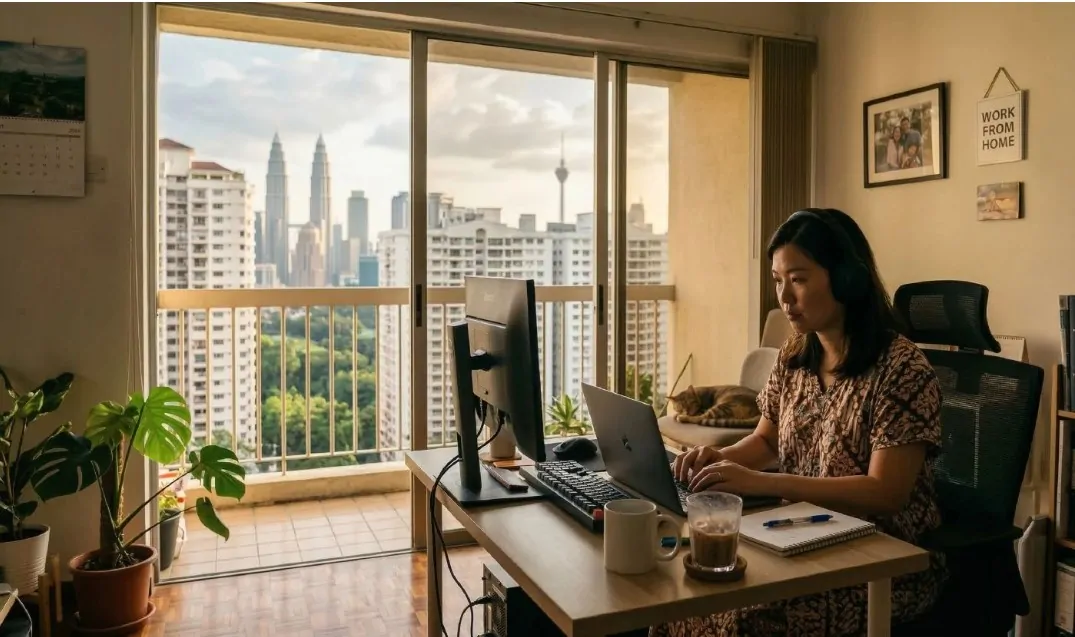
The introduction of WFH beginning 15 April 2026 represents more than a temporary policy, it reflects Malaysia’s broader transition toward flexible, technology-driven workplaces.
As both public and private sectors adapt, hybrid working arrangements may gradually become a normal part of the Malaysian employment landscape, reshaping how organisations operate and how employees balance their professional and personal lives.