We often don’t realise the value of things until much later. What once felt like a simple purchase or even just another piece of jewellery can quietly grow into something far more meaningful over time. One day, you open it. And suddenly, something ordinary becomes extraordinary.
That’s exactly what happened to a Malaysian woman who revisited a gold bracelet she bought over 20 years ago.
A purchase made on a random day. And then, years later, life circles back. Some stories don’t start with ambition. They start with something small… almost forgettable.
The bracelet that aged like fine wine
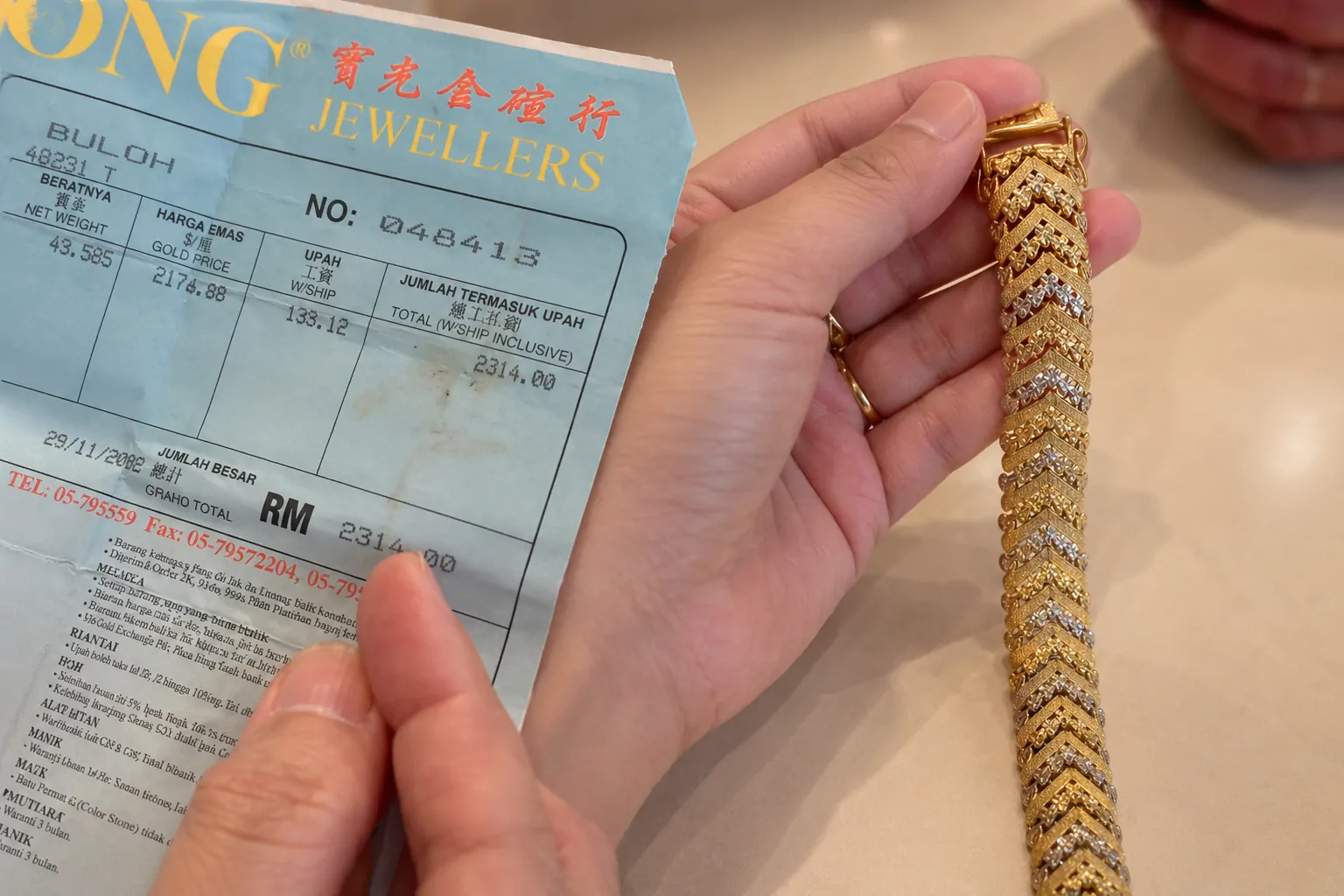
A Malaysian woman recently went viral after rediscovering a gold bracelet she bought back in 2002 for about RM2,314. Back then, it wasn’t some calculated investment move, just a simple purchase, the kind you make without thinking too much about the future. Maybe it was worn often, maybe it sat quietly in a jewellery box over the years as life got busier.
Out of curiosity, she decided to check its value today, and got the kind of shock we all secretly hope for.
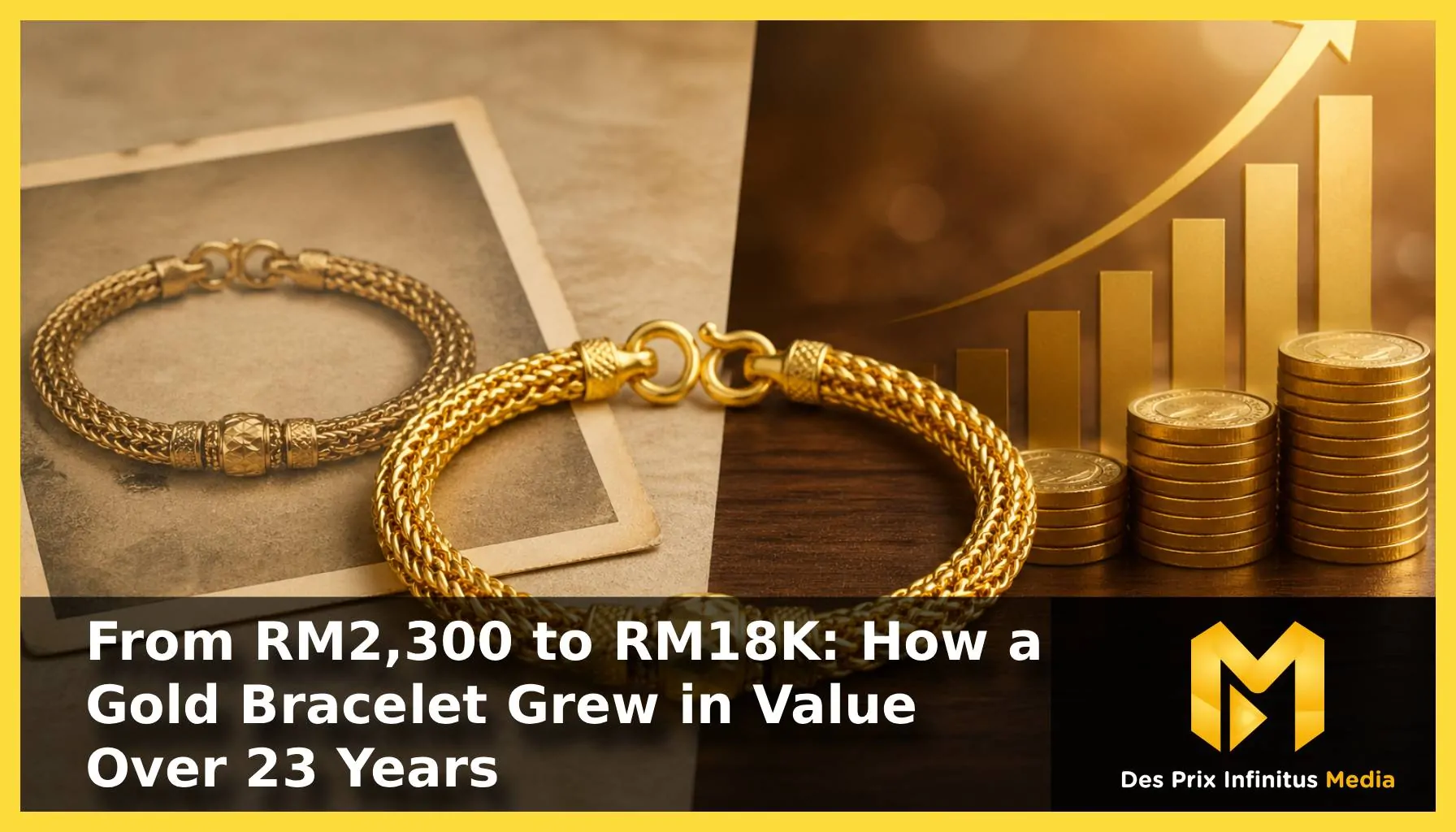
Fast forward 23 years, and that same bracelet? Now worth about RM18,718, bringing her a profit of over RM16,000.
No trading, no upgrades, no strategy. Just time doing its thing.
What makes the story hit a little harder is how ordinary it all feels. There was no big financial plan behind it, no intention to “invest smart.” It was simply something she owned… and held onto. Over the years, while everything else changed prices, trends, and lifestyles, that small piece of gold quietly grew in value.
It’s the kind of reminder that sometimes, the most unassuming things we own can turn out to be the most rewarding, if we just give them enough time.
Watch the clip here:
So…why does gold actually go up?
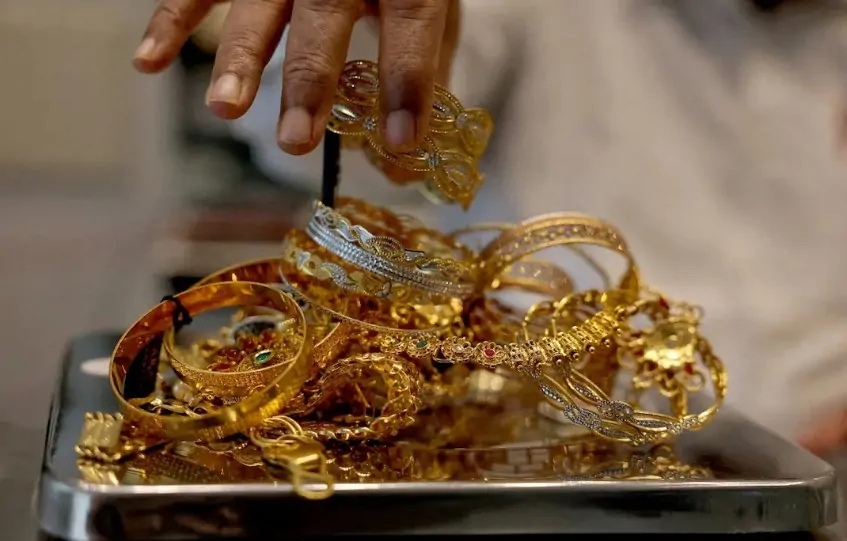
It’s not magic, it’s economics with a bit of human psychology.
- Limited supply: You can’t just “print” gold like money
- High demand: From investors, central banks, and even jewellery lovers
- Inflation hedge: When money loses value, gold often doesn’t
Over time, this creates a slow but steady upward trend. In fact, gold has averaged around 10% annual growth over the past couple of decades, though with some ups and downs.
How to actually preserve gold
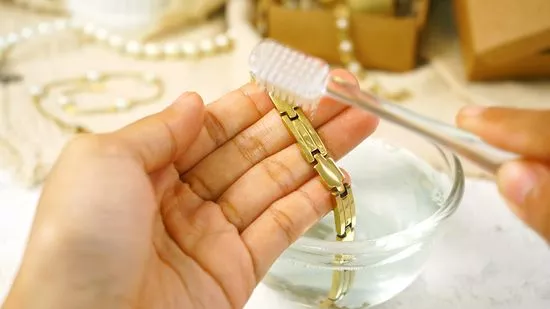
If you’re holding gold, whether it’s jewellery, coins, or bars, how you keep it matters.
- Store it properly – dry, safe, preferably not “somewhere in the house”
- Avoid over-wearing – scratches = lower resale value
- Keep documentation – receipts, certifications = easier valuation
- Don’t over-polish – gold doesn’t need spa treatments
Basically, treat it like that one luxury item you say you’ll “use only for special occasions”… and then actually mean it.
Is Gold the Only Investment?
Short answer? Not even close.
Gold is often seen as the “safe” option and for good reason. Gold is great for preserving value, especially during uncertain times, but it’s not the only option. Other investments like stocks, property, unit trusts, or even EPF contributions can potentially give higher returns, just with more risk and volatility.
Think of gold as the steady one, it won’t make you rich overnight, but it might quietly protect your wealth while you explore other ways to grow it.
So why are we even talking about this?
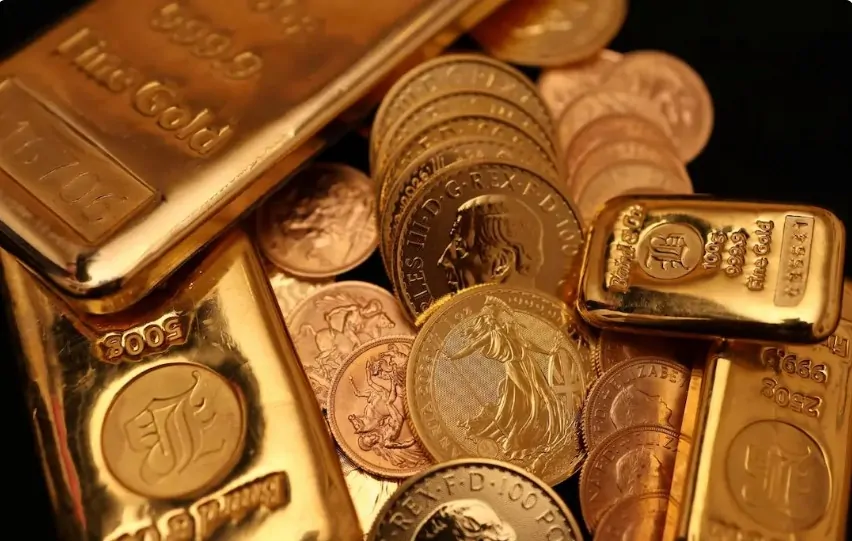
Because this story isn’t just about gold. It’s about perspective. In a time where everything feels urgent, earn more, grow faster, do better, gold reminds us that value doesn’t always show up immediately.
Some things take time. Some things sit quietly before they shine. And some investments… don’t need your attention to grow. It just existed and became worth more.
The transformation of a modest gold purchase into a high-value asset illustrates the role of tangible investments in wealth preservation. In parallel, well-executed property developments offer comparable opportunities for long-term growth and security. The ASEAN Property Developers Awards (APDA) seeks to recognise developers who contribute to sustainable wealth-building through quality developments. Submit your nomination today and position your development among ASEAN’s finest.