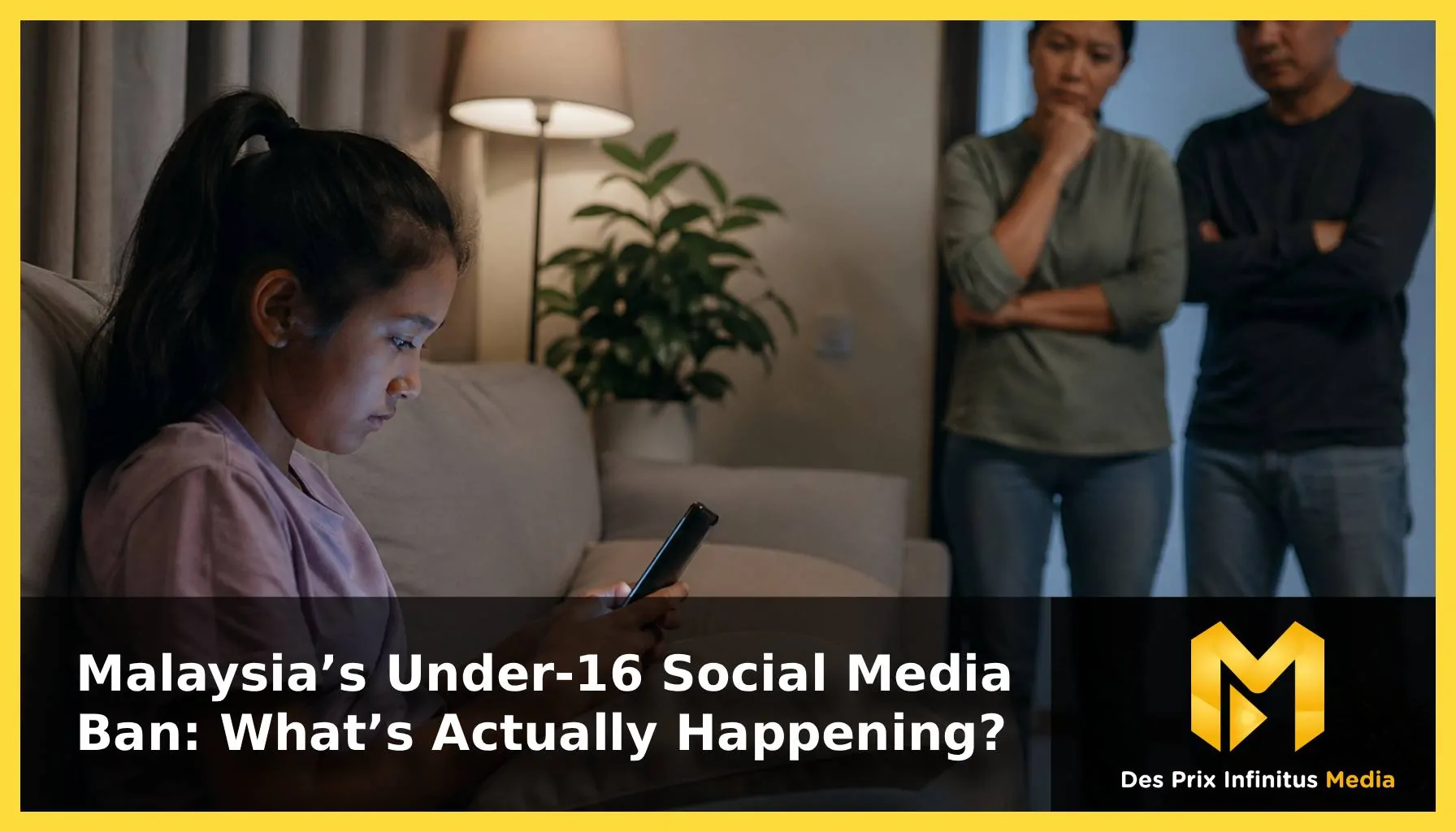
A digital wake-up call is hitting Malaysia; there’s a push to ban social media access for users under 16 by mid-2026. A growing concern over digital well-being is placing Malaysia at the centre of a heated conversation: should teenagers under 16 be banned from social media? The proposed move has ignited debates across platforms like TikTok, Instagram, and X, ironically, the very spaces that could soon be restricted.
Who’s Behind It, When It Might Happen & Why It Matters
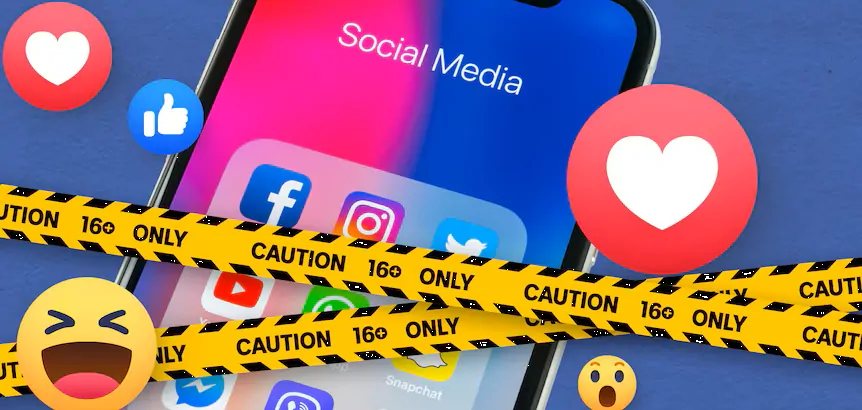
A policy shift is currently being explored by the Malaysian Communications and Multimedia Commission (MCMC), with support from government ministries overseeing digital safety and communications. While no nationwide ban has been fully enforced yet, discussions and proposals point toward restricting social media access for users under 16, similar to moves seen in other countries.
The core reason? Rising concerns over online safety, mental health, and exposure to harmful content among younger users. Authorities are looking at stricter age controls, better verification systems, and possibly legal obligations for platforms to limit underage access. In short, it’s less about “punishing teens” and more about tightening a system that currently has very few real barriers.
Why This Became a Big Deal in the First Place
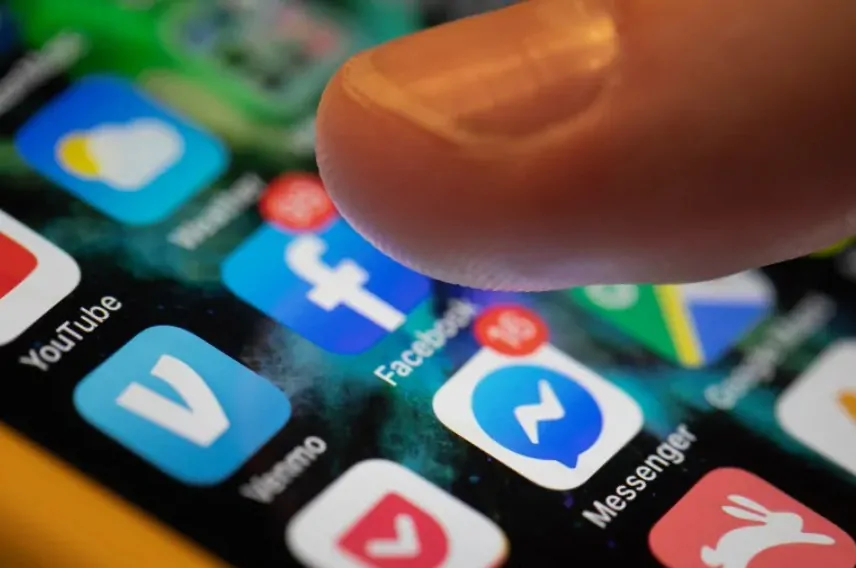
A surge in digital consumption is pushing this issue into the spotlight. Teenagers today spend hours daily on platforms like TikTok, Instagram, and X.
Research globally, and echoed by local observations, links excessive usage to:
- Increased anxiety and stress
- Sleep disruption
- Cyberbullying exposure
- Unrealistic social comparisons
For policymakers, this isn’t just a “screen time” issue anymore; it’s a public health and youth development concern.
Parents vs Gen Z: Same Problem, Different Perspectives
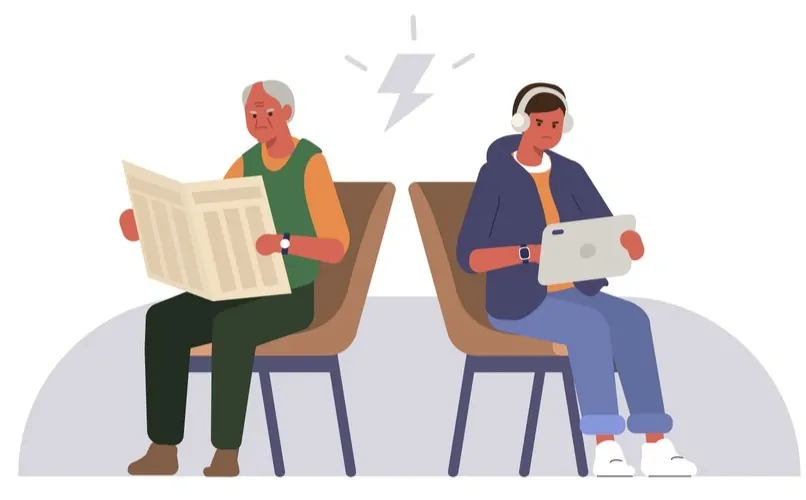
A generational divide is shaping the debate. Many parents see restrictions as necessary protection, especially as online risks become harder to monitor. From scams to inappropriate content, the digital world isn’t exactly designed with teenagers in mind. For parents, this isn’t about killing your vibe; it’s about protecting it.
But Gen Z views social media differently; isn’t just an app, it’s infrastructure. It’s where friendships happen, trends are born, opportunities (like small businesses or content creation) begin, and identities are explored. It’s where side hustles start, voices are heard, and memes become a language. So when someone says “ban it,” it doesn’t feel like protection; it feels like disconnection.
Can This Even Be Enforced?
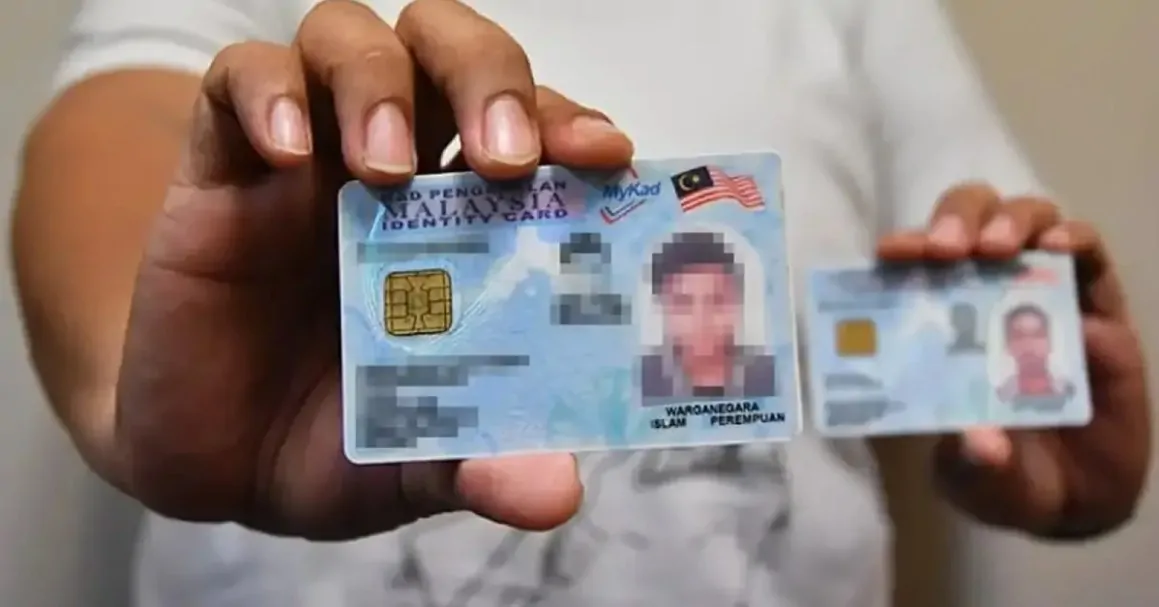
A practical challenge sits at the centre of the proposal: enforcement. Age verification systems today are far from foolproof. Most platforms rely on self-declared birthdates, which are easy to bypass.
Even with stricter systems, like ID verification or AI-based checks, questions remain around privacy, cost, and effectiveness. Tech-savvy users often find ways around restrictions, meaning a ban could end up being symbolic unless backed by strong, consistent enforcement mechanisms.
Malaysia Isn’t Alone in This
A global trend is influencing Malaysia’s direction. Countries like Australia and parts of Europe have already explored or implemented tighter social media regulations for minors.
These moves reflect a broader shift: governments are starting to treat social media less like optional entertainment and more like an environment that needs regulation, especially for younger users.
What Happens Next: Ban, Regulate, or Educate?
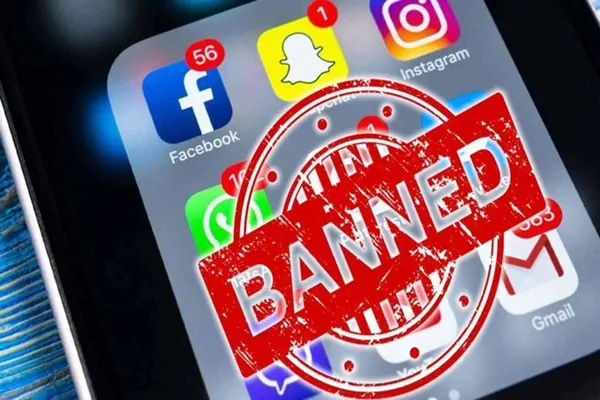
A critical decision is still unfolding. Malaysia’s approach could take several directions, full restriction, partial regulation, or a stronger focus on digital literacy and parental controls.
What’s clear is this: the conversation is no longer about whether social media impacts young users, it’s about how much responsibility governments, platforms, and families should take in managing that impact.
For Gen Z, the outcome won’t just shape screen time; it could redefine how an entire generation connects, creates, and grows in the digital age. A ban might protect, but it might also disconnect. Total freedom might empower, but it also comes with risks.
Maybe the real solution isn’t choosing one side, but figuring out how to balance both without losing what makes this generation, well… this generation.