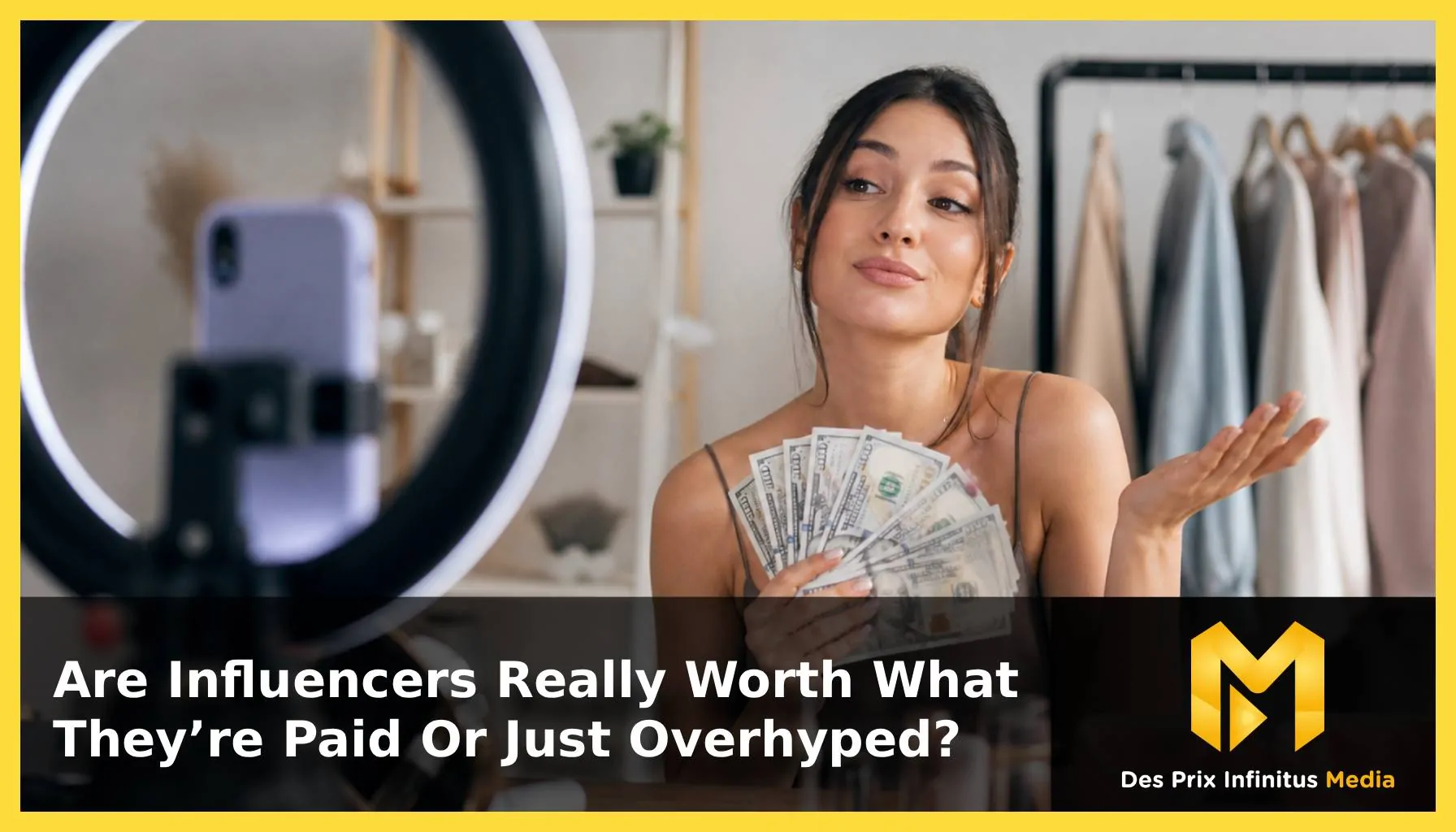
Success, or the illusion of it, has never been easier to sell. Open Instagram or TikTok, and you’ll immediately see the fantasy: luxury brunches, brand trips, glowing skin, perfect lives. But let’s be brutally honest, this isn’t success. Its performance. A carefully staged highlight reel designed to keep audiences hooked while quietly monetising every second of attention.
Fame, built by followers, has gone to their heads
Influencers love to talk about “their community,” but let’s not twist the truth, they are nothing without their audience. Malaysians made them. Every like, every share, every follow turned ordinary people into digital celebrities. Yet somewhere along the way, many developed an attitude that’s hard to ignore: entitlement.
Some personalities in Malaysia are undeniably successful, but also symbolic of how influencer culture has evolved into something far more curated and exclusive than relatable. The relatability that once built their platforms has been replaced by distance, luxury, and, at times, an almost untouchable persona.
Pricing, completely detached from reality
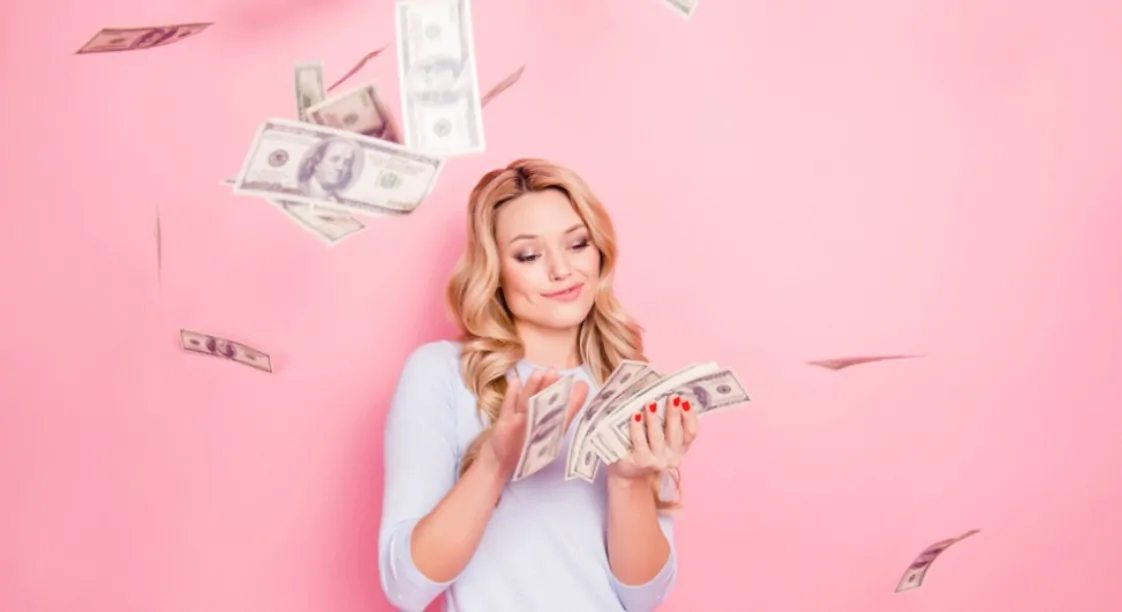
Here’s where things start to feel absurd. Event appearances. A simple walk-in, a few photos, maybe a short speech, yet the price tag? Thousands. Sometimes tens of thousands.
Brands are reportedly paying RM5,000 to RM50,000 just for influencers to show up. Not a host. Not perform. Just exist at the venue, smile for the cameras, and post a few social media stories.
Meanwhile, SMEs, the backbone of Malaysia’s economy, are burning through budgets just to get “visibility” that may or may not convert into actual sales. It’s not marketing anymore. It’s gambling.
Content, repetitive and painfully shallow
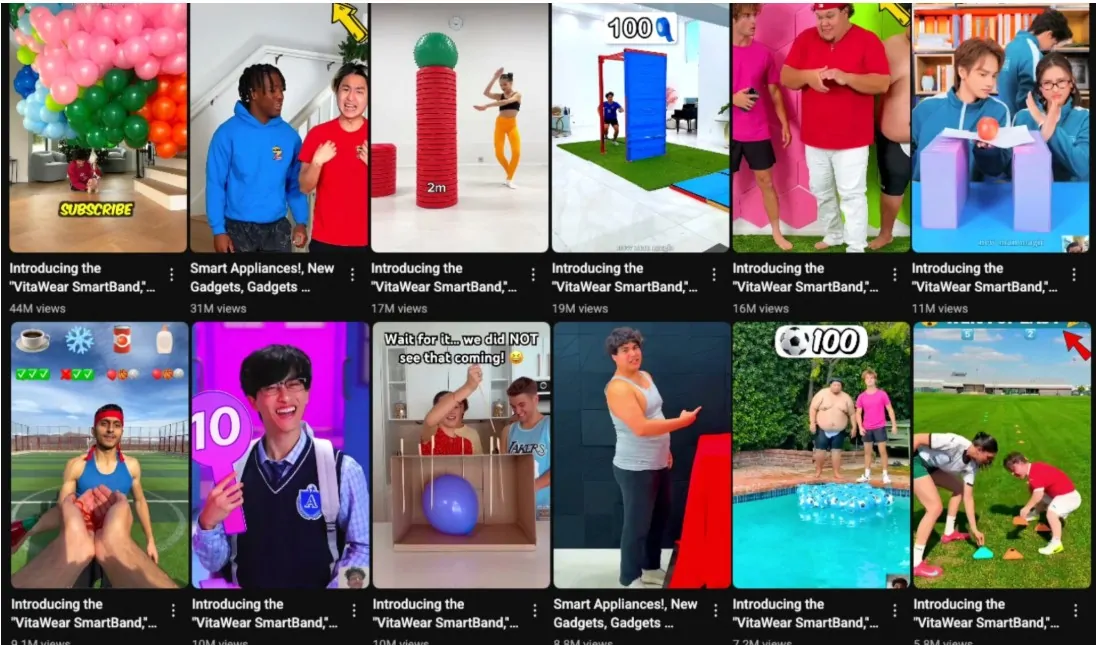
Let’s not pretend the content justifies the cost. Scroll long enough, and it all blurs together:
“Get Ready With Me.”
“Unboxing PR packages.”
“Day in my life.”
Different faces, same script.
The harsh truth? The industry is oversaturated with creators who bring nothing new to the table, yet command premium rates simply because they’ve cracked the algorithm. Creativity has taken a back seat to consistency, and aesthetics has replaced substance.
Attitude, where admiration turns into irritation
This is where public sentiment is shifting, and fast.
There’s a growing frustration with influencers who act like they’re above their audience. Late arrivals to events. Diva-like demands. Selective engagement unless it benefits their image. The very people who were once “just like us” now behave as if they’ve outgrown us.
And that’s the irony, they haven’t. Their entire existence as influencers depends on the same audience they seem to overlook.
Influence, or manipulation in disguise?
Influencers claim they “inspire,” but how much of that is genuine? And how much is simply paid persuasion?
Every skincare miracle, every fashion haul, every “must-have” product, sponsored. Packaged. Scripted. The line between recommendation and advertisement has blurred so much that trust is no longer a given; it’s a gamble. Consumers aren’t stupid. They’re starting to see through it.
Power, inflated beyond merit
Some influencers now act like gatekeepers of culture, deciding what’s trendy, what’s “in,” what’s worth your money. But let’s be clear: this power wasn’t earned through expertise. It was handed to them by algorithms and amplified by audiences.
And now, some of them behave as if they own it.
Reality check, long overdue
Not all influencers are the same. Some creators are thoughtful, hardworking, and genuinely impactful. But they’re increasingly overshadowed by a louder, more commercialised crowd that prioritises profit over purpose.
So, are influencers overpaid?
Conclusion, uncomfortable but necessary
Yes, many of them are. Not because content creation has no value, but because the industry has lost its sense of proportion.
Influencers were meant to reflect us. Instead, many now try to rule over us, setting standards, dictating trends, and charging prices that feel disconnected from reality.
And maybe it’s time audiences start remembering something important: Without us, they are just another account on the internet.
Influencers may dominate feeds, but true influence is measured in trust, credibility, and real impact, not just likes and views. Anyone can go viral, but not everyone can build trust. The Top Quality Brand Awards celebrates brands that prove influence isn’t rented, it’s earned. If your brand delivers real results instead of just impressions, it deserves more than attention — it deserves recognition. Nominate your brand and let the numbers that matter speak for themselves.