
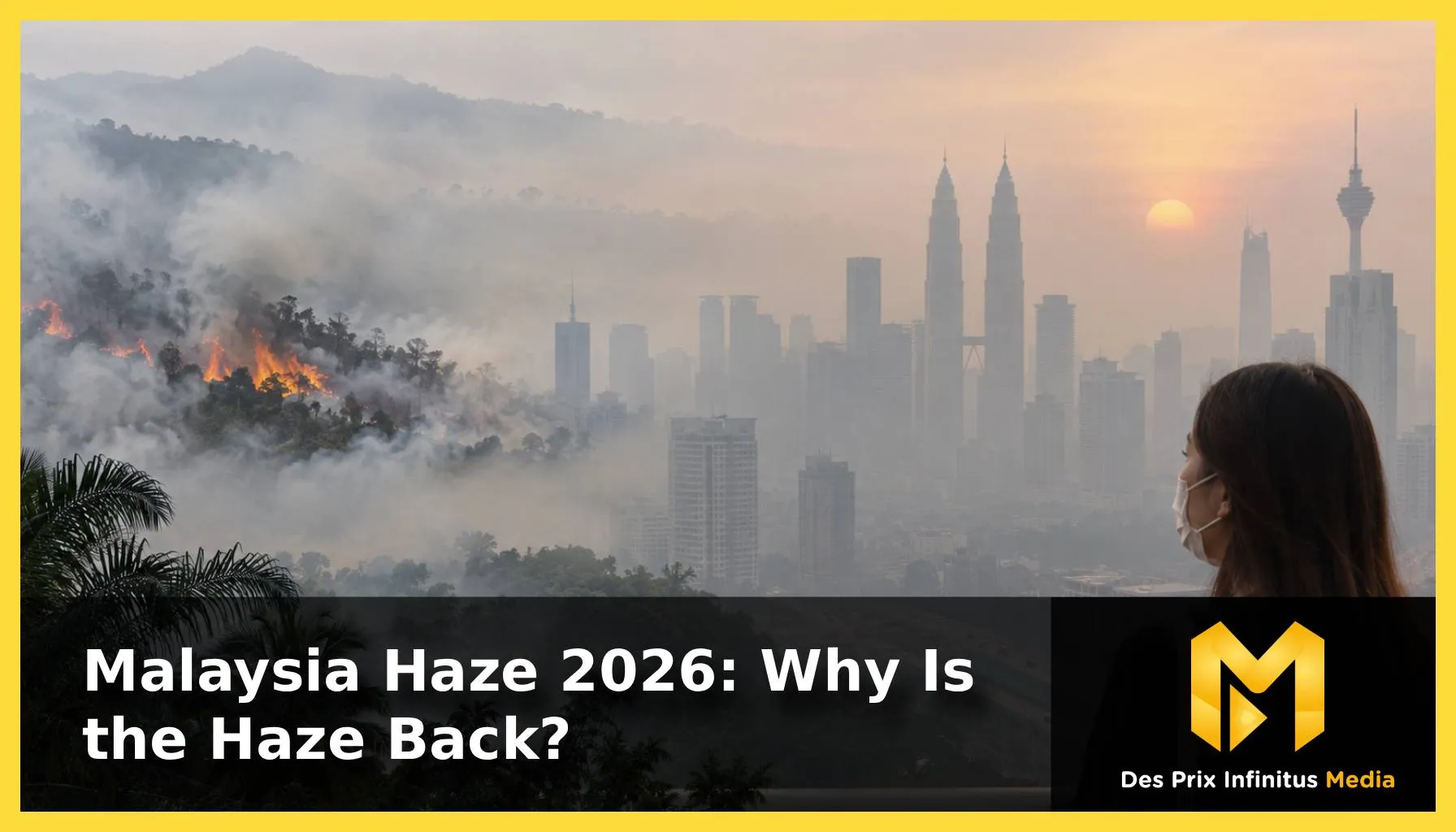
Grey skies, smoky air and that familiar smell in the air; Malaysia is once again dealing with haze.
But this year’s episode is more than just another seasonal inconvenience. Parts of Malaysia have experienced unhealthy and even hazardous air quality, with Sarawak bearing the brunt of the crisis. So, what exactly is happening, and why has the haze returned with such force in 2026?
It Starts Across the Border
Much of this year’s haze story begins in Indonesia.
Satellite monitoring has detected large numbers of hotspots across Kalimantan and Sumatra, where forest, vegetation and peatland fires have been burning. Smoke from these fires has been carried across borders into Malaysia by prevailing winds.
According to the ASEAN Specialised Meteorological Centre (ASMC), moderate to dense smoke from Kalimantan has been drifting northwards into Sarawak, while smoke from Sumatra and Kalimantan has also reached parts of Peninsular Malaysia and Singapore.
Why Is 2026 Particularly Bad?
The biggest culprit is dry weather, with a little help from El Niño.
The Southwest Monsoon typically brings drier conditions to the southern ASEAN region. This year, however, the dry spell has been particularly persistent. ASMC expects below-normal rainfall and above-normal temperatures across much of the region during September, while El Niño conditions are expected to strengthen.
That combination is almost a perfect recipe for fire.
Dry vegetation catches fire more easily, while dried-out peatlands can burn for long periods and are notoriously difficult to extinguish. Even when flames disappear from the surface, fires can continue smouldering underground.
And when there is little rain to wash the atmosphere and dampen the ground, the smoke has nowhere to go.
Sarawak Is Taking the Biggest Hit
Sarawak has emerged as the epicentre of Malaysia’s current haze episode.
On 4 September, the situation became so serious that an emergency was declared in the Serian district after the API reached more than 500 — a level classified as hazardous.
Although conditions have since fluctuated, the problem has not disappeared. On 7 September, Sri Aman recorded a very unhealthy API reading of 208, while several other Sarawak areas remained in the unhealthy category.
Peninsular Malaysia has not escaped either. Unhealthy readings have recently been recorded in parts of Selangor, Kuala Lumpur, Negeri Sembilan, Johor and other states.
Is This Another 2015?
The comparison is almost unavoidable.
Malaysia and its neighbours still remember the infamous 2015 haze crisis, when enormous fires created months of disruption across Southeast Asia.
Experts, however, say 2026 should not automatically be treated as a repeat of 2015. The current situation is serious, but differences in the timing and development of El Niño mean the scale may not necessarily reach the levels seen then.
Still, the warning signs are there.
So, When Will the Skies Clear?
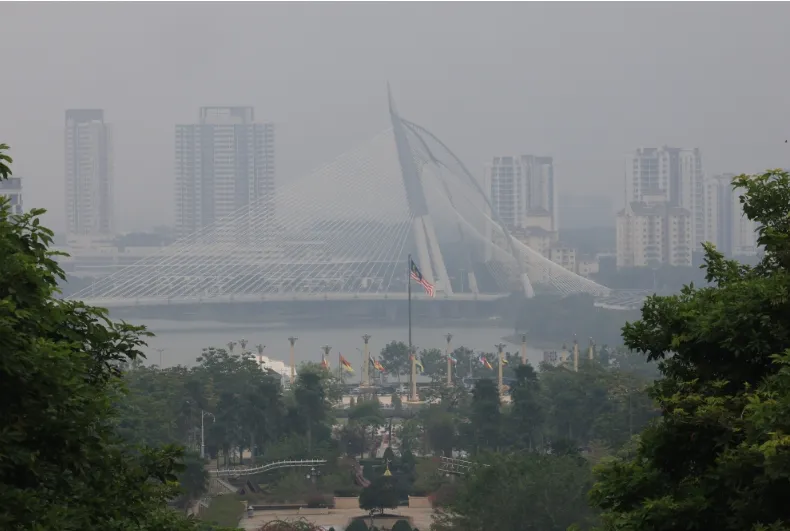
Rain is the magic word. ASMC expects increased showers around October as the Southwest Monsoon transitions into the inter-monsoon period. That could provide much-needed relief by reducing hotspots and clearing smoke from the atmosphere. Until then, haze may remain an unwelcome part of daily life.
For Malaysians, the simplest step is to avoid open burning, check the Air Pollutant Index (API) before heading outdoors and reduce prolonged outdoor activity when air quality deteriorates. Small actions may not stop a forest fire, but preventing local fires can help keep a bad situation from becoming worse.
The lesson from 2026 is simple: haze is not merely a Malaysian weather problem. It is a regional issue shaped by fire, land use, weather patterns and climate conditions. And when the wind changes, smoke does not stop at the border.