
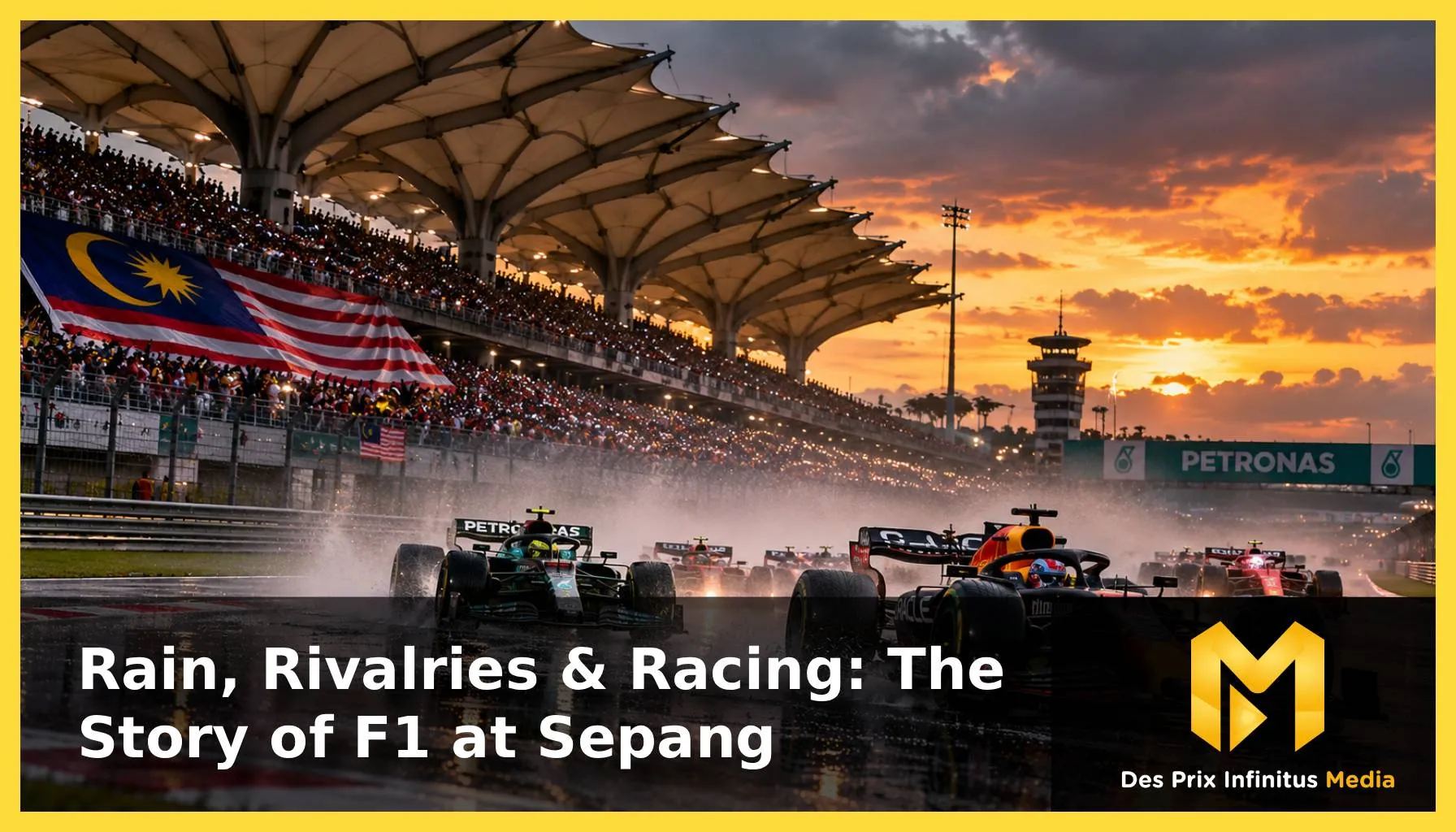
Rain. Rivalries. Red flags. Last-minute drama.
For almost two decades, Malaysia’s tropical circuit was synonymous with scorching heat, torrential rain, daring overtakes and some of the sport’s most unforgettable rivalries. From Michael Schumacher and Fernando Alonso to Lewis Hamilton, Sebastian Vettel and Max Verstappen, Sepang has seen legends rise, rivalries explode, and races turn upside down within the blink of an eye.
And now, after a nine-year absence, Sepang has added another extraordinary chapter to its story.
Where legends first arrived
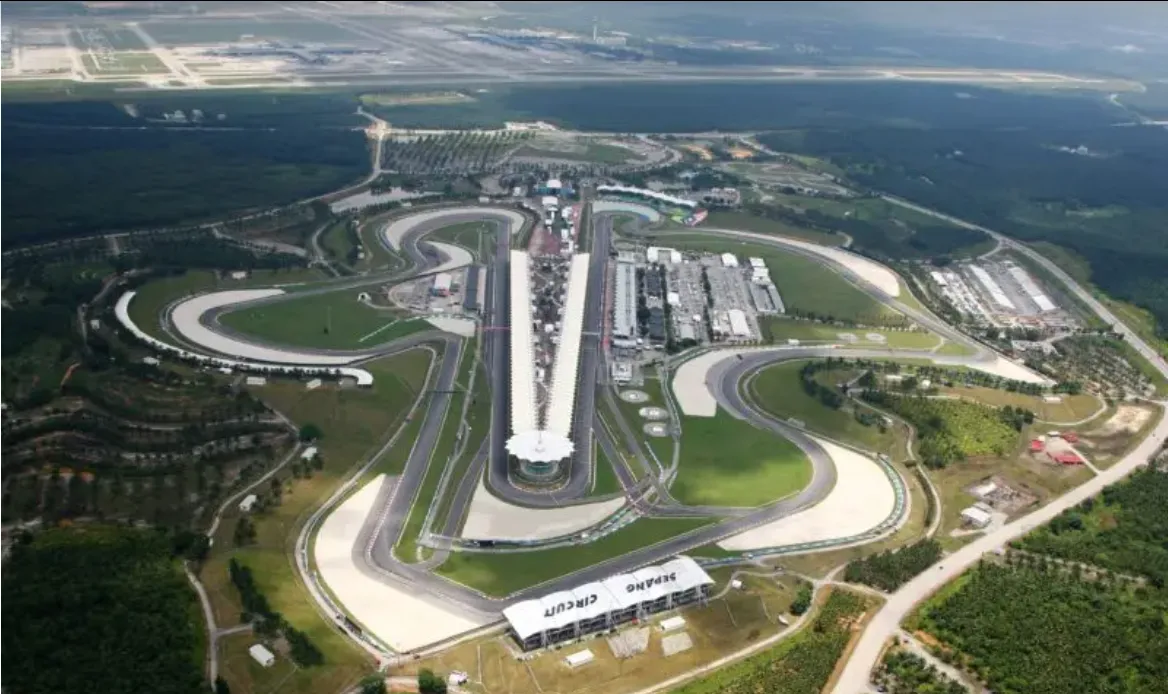
When Formula 1 first came to Sepang in 1999, the circuit was still something of a newcomer. Designed by Hermann Tilke, the 5.543km track was built to be different wide, fast and technically demanding, with long straights, heavy braking zones and corners that rewarded bravery.
Even the inaugural race had a story worthy of a Hollywood script.
Michael Schumacher returned to F1 just weeks after recovering from a broken leg and immediately put his Ferrari on pole. Although he had the pace to dominate, Schumacher ultimately helped teammate Eddie Irvine‘s championship campaign, allowing Irvine to take the victory.
Sepang had barely opened its doors, and already it had drama.
Then came the rain…
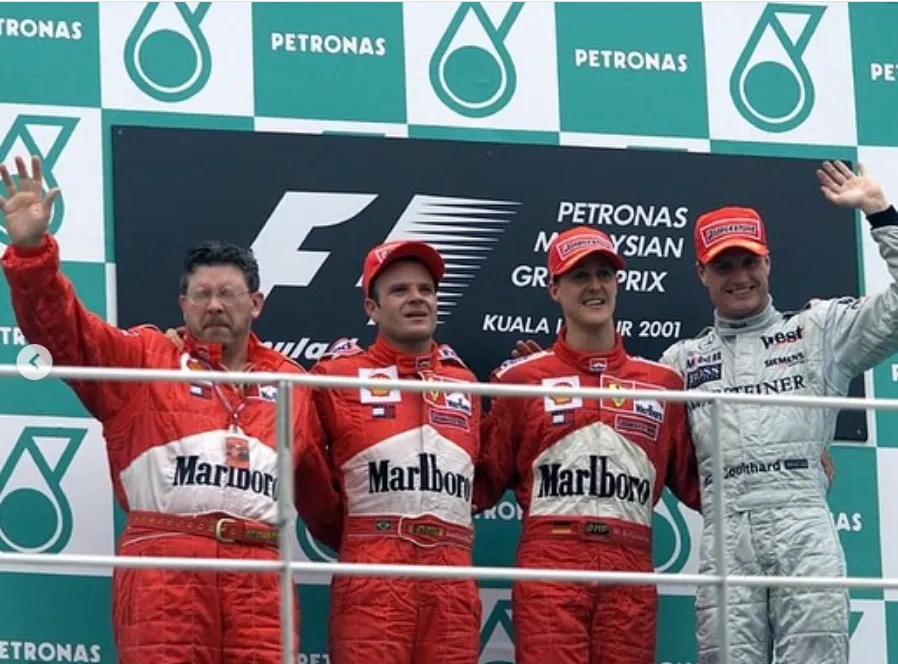
The 2001 Malaysian Grand Prix demonstrated this perfectly. Heavy rain caused both Ferrari drivers, Michael Schumacher and Rubens Barrichello, to slide off the track. However, the team recovered brilliantly, switching to intermediate tyres at the right moment. Schumacher eventually won, with Barrichello completing a Ferrari one-two.
Then came 2012, when Fernando Alonso produced one of Sepang’s great wet-weather victories. Starting eighth, the Ferrari driver held off a charging Sergio Pérez, who finished just 2.263 seconds behind.
But perhaps Sepang’s most famous piece of drama came in 2013. Sebastian Vettel was told to hold position behind Red Bull teammate Mark Webber. Instead, Vettel attacked Webber, overtook him and went on to win.
The phrase “Multi 21” became instantly famous, and Sepang became the stage for one of F1’s most talked-about teammate disputes.
Nine years later, the rain came back
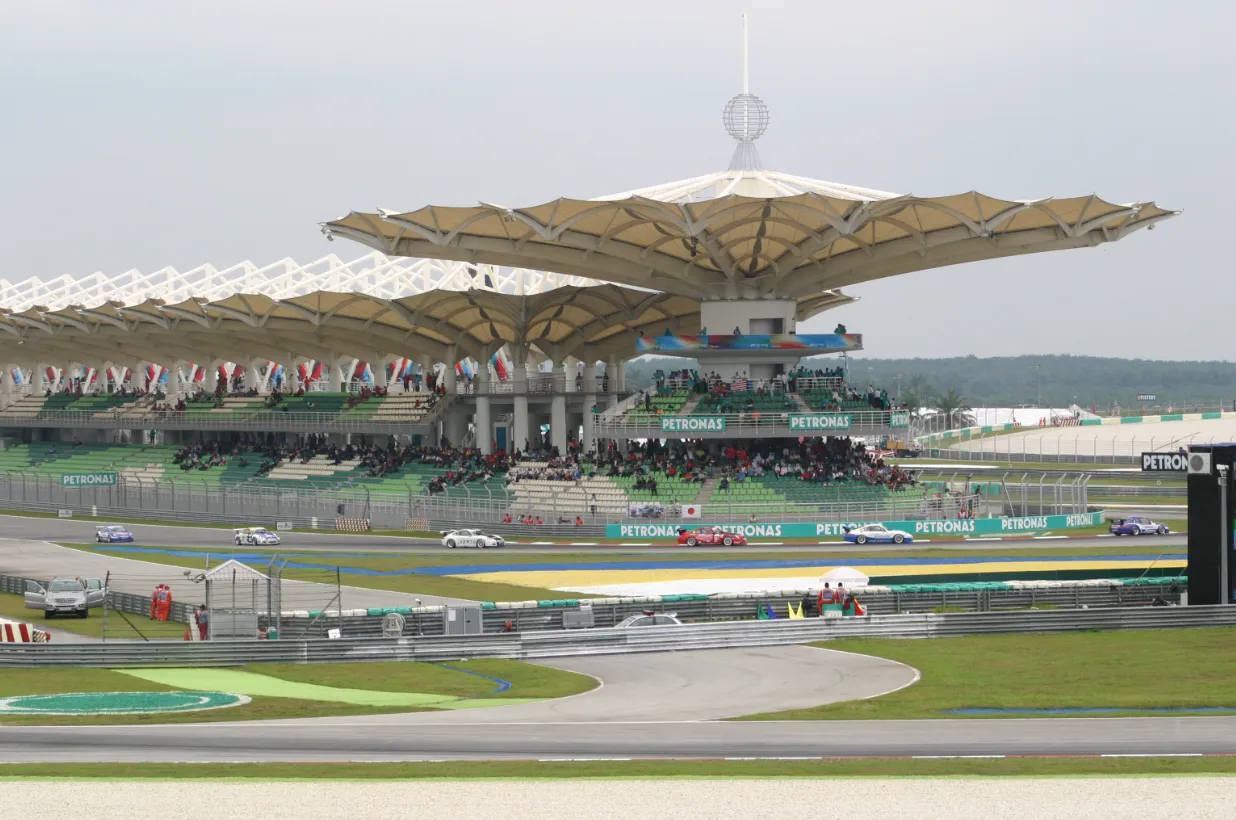
Then, in 2017, Formula 1 said goodbye to Sepang. Max Verstappen won that final Malaysian Grand Prix, and for nine years, it looked as though that would be the last time F1 cars would thunder down the circuit’s long straights.
Until 2026. But the comeback came with a twist.
Instead of returning as the Malaysian Grand Prix, Sepang hosted the Bahrain Grand Prix in Malaysia, after Malaysia stepped in to host the race as part of the 2026 calendar. And somehow, Sepang delivered exactly what everyone remembered.
The 2026 comeback: chaos from lights out
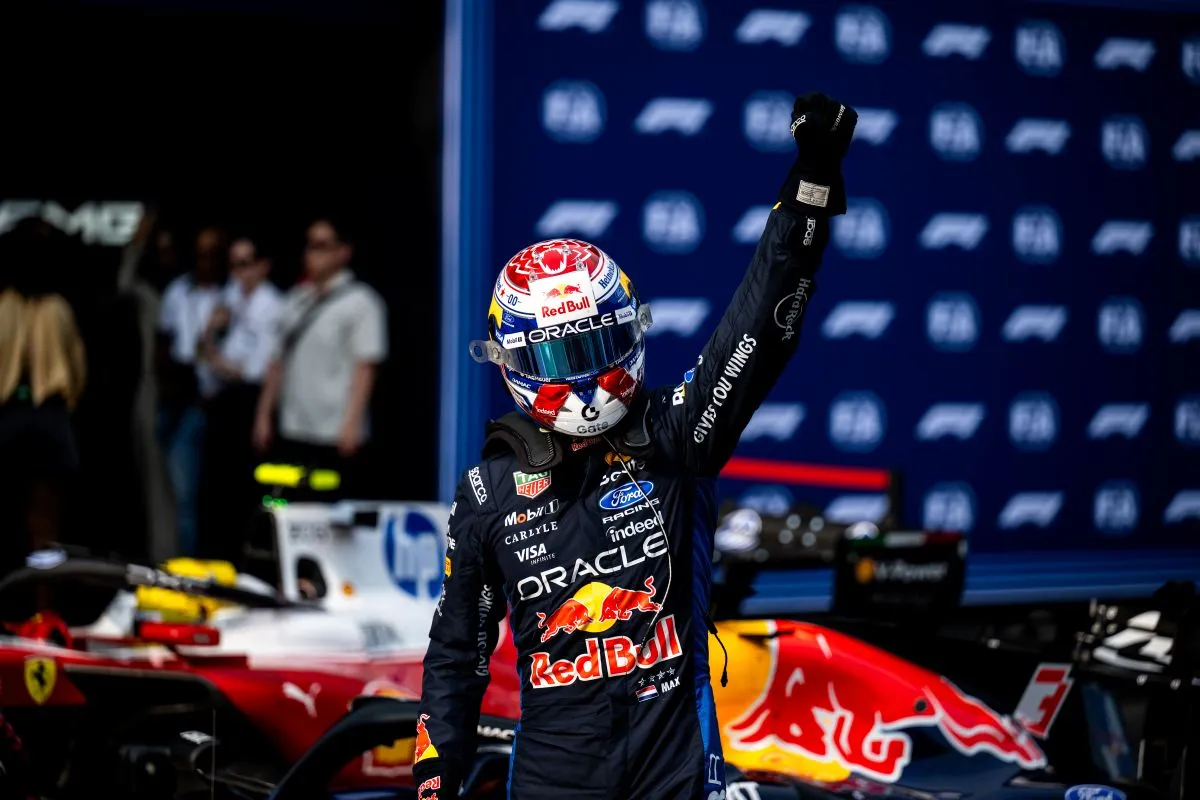
On 4 October 2026, Formula 1 returned to Sepang, and the circuit wasted no time reminding everyone why it had been missed.
Torrential rain delayed the start. The formation procedure was suspended. Drivers struggled in the slippery conditions, and teams were forced into tyre gambles between intermediates and slicks.
Lewis Hamilton, starting near the front, was caught out by Ferrari’s slick-tyre gamble and dropped dramatically down the order. Then came the fightback. Hamilton clawed his way back through the field to finish third, while Kimi Antonelli took second.
And at the front?
The man who had won Sepang’s final F1 race in 2017 did it again.
Starting from pole, Verstappen survived the chaos, regained the lead and crossed the finish line just 2.307 seconds ahead of Antonelli to claim his first victory of the 2026 season and Red Bull Ford Powertrains’ maiden F1 victory.
It was almost poetic. Nine years after Verstappen’s last Sepang victory, he returned to the same circuit and won again.
Sepang’s story is far from over
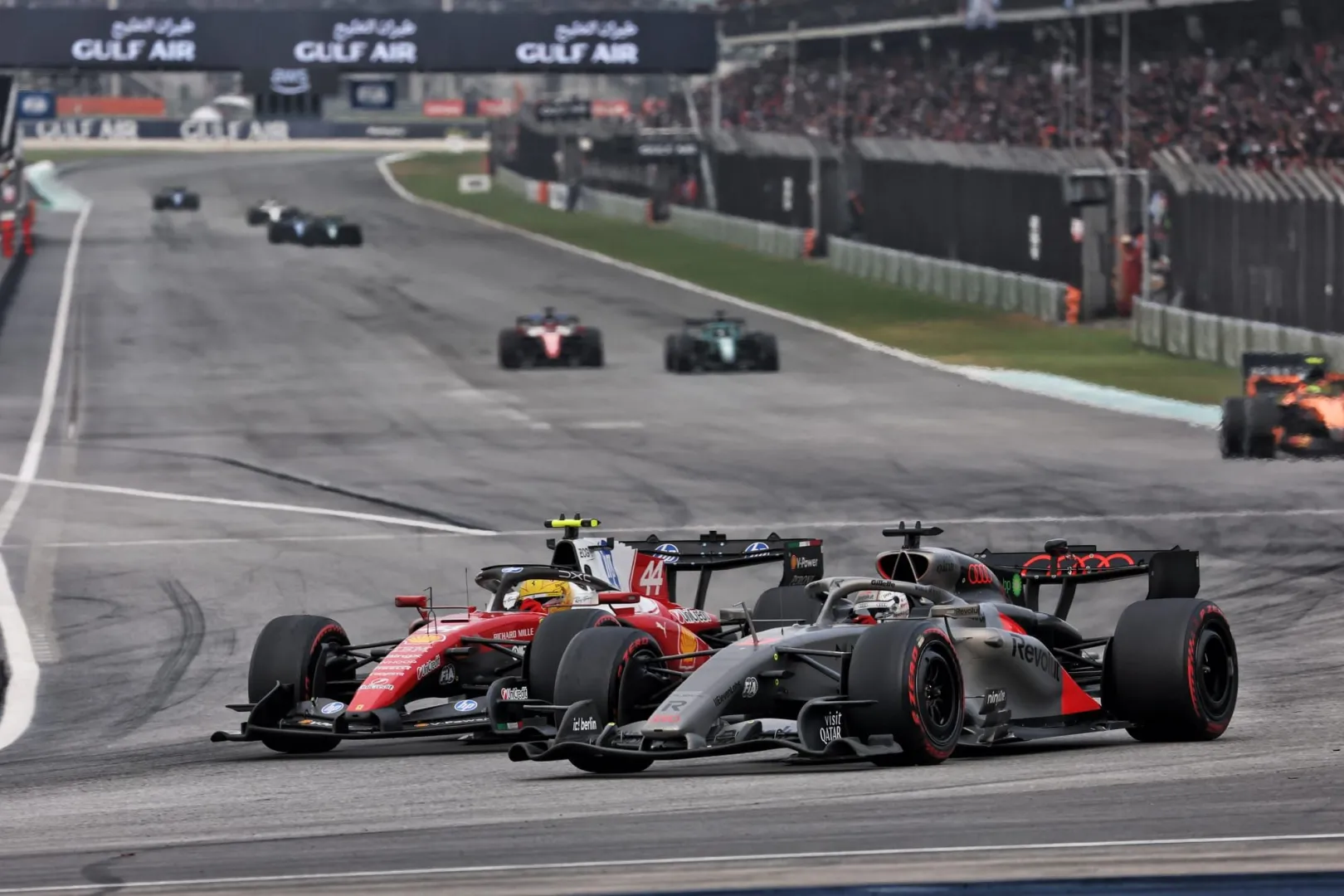
From Schumacher’s early heroics and Alonso’s rain-soaked brilliance to Vettel’s infamous “Multi 21” rebellion, Sepang has always had a knack for turning races into memories. And the 2026 Bahrain Grand Prix proved that the magic was never really gone. Perhaps that is Sepang’s greatest legacy.
Give it heat, give it rain, give it 20-plus F1 cars, and sooner or later, something unforgettable will happen. After all, some circuits are built for racing. Sepang was built for drama.